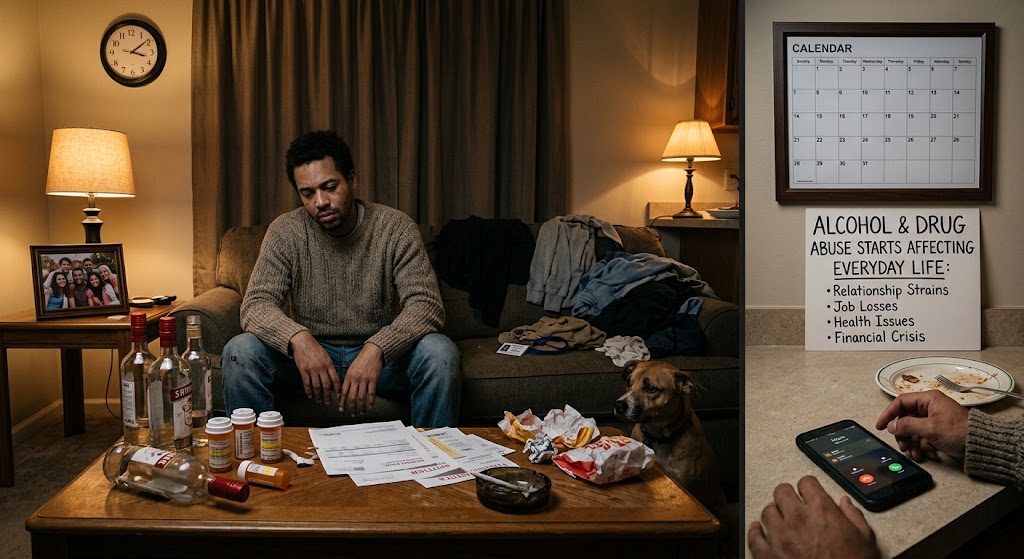
Why Relapse Happens and How to Prevent It in Alcohol and Drug Abuse Recovery

Relapse is one of the most misunderstood parts of alcohol and drug abuse recovery. Many people see it as failure, but in reality, relapse is often a signal that more support or different coping strategies are needed. Recovery is not a straight line. It is a long term process that involves learning, growth, setbacks, and resilience. Understanding why relapse happens and how to prevent it can help individuals and families approach recovery with more compassion, structure, and realistic expectations.

Understanding Relapse in Addiction Recovery

Relapse occurs when a person returns to alcohol or drug use after a period of abstinence. It does not mean that treatment has failed. Instead, it often reflects unresolved triggers, stressors, or gaps in coping skills.

Relapse is usually not a sudden event. It develops in stages:

  • Emotional relapse
  • Mental relapse
  • Physical relapse

Each stage presents warning signs that, when recognized early, can help prevent a return to substance use.

Why Relapse Happens in Alcohol and Drug Abuse Recovery

There are many factors that can contribute to relapse. Most are related to emotional, psychological, or environmental stress.

Unmanaged Mental Health Conditions

Anxiety, depression, trauma, and other mental health disorders are closely linked to substance use. If these conditions are not treated alongside addiction, they can increase the risk of relapse.

Exposure to Triggers

Triggers can include people, places, emotions, or situations associated with past substance use. Without coping strategies, these triggers can create strong cravings.

Stress and Life Challenges

Financial pressure, relationship conflict, work stress, or major life changes can overwhelm coping abilities, especially in early recovery.

Lack of Support Systems

Recovery is more successful when individuals have consistent emotional and social support. Isolation can increase vulnerability to relapse.

Overconfidence in Early Recovery

Some individuals believe they are “cured” after detox or initial treatment and may stop engaging in support systems too early. Ongoing care is essential for long term success.

Early Warning Signs of Relapse

Recognizing warning signs early can help prevent a full return to substance use.

Emotional Warning Signs

  • Increased anxiety or irritability
  • Mood swings or emotional numbness
  • Feeling overwhelmed or hopeless

Mental Warning Signs

  • Thinking about using substances again
  • Romanticizing past substance use
  • Reducing commitment to recovery plans

Behavioral Warning Signs

  • Skipping therapy or support meetings
  • Isolating from supportive people
  • Returning to old environments or habits

How to Prevent Relapse in Recovery

Relapse prevention is a core part of effective addiction treatment. It involves building skills, structure, and support systems that strengthen long term recovery.

Continue Mental Health Treatment

Ongoing therapy helps individuals manage emotions, address trauma, and develop healthier coping strategies. Treating co occurring mental health conditions is especially important.

Build a Strong Support Network

Support can come from family, friends, counselors, support groups, or recovery communities. Staying connected reduces isolation and increases accountability.

Develop Healthy Coping Skills

Replacing substance use with healthier coping mechanisms is essential. These may include:

  • Mindfulness and meditation
  • Physical exercise
  • Journaling or creative expression
  • Breathing and relaxation techniques

Create a Structured Daily Routine

Consistency helps reduce stress and uncertainty. Regular sleep, balanced nutrition, and scheduled activities support emotional stability.

Avoid High Risk Situations

Identifying and avoiding triggers when possible can significantly reduce relapse risk. When avoidance is not possible, having a plan in place is critical.

The Role of Inpatient and Outpatient Care in Relapse Prevention

Both inpatient and outpatient treatment programs play an important role in long term recovery.

Inpatient Treatment Support

Inpatient care provides a structured environment with 24 hour support. This setting is especially helpful during early recovery when relapse risk is highest.

Outpatient Treatment Support

Outpatient programs allow individuals to continue therapy and support while living at home. This helps them apply coping skills in real world situations.

Holistic and Faith Based Support in Preventing Relapse

Recovery is most effective when it addresses the whole person.

Holistic Approaches

Holistic care includes practices like mindfulness, nutrition, exercise, and stress management. These tools strengthen both physical and emotional resilience.

Faith Based Support

Spiritual support can provide meaning, hope, and strength during difficult moments. Many individuals find that faith based recovery helps them stay grounded and motivated.

What to Do If Relapse Happens

If relapse occurs, it is important to respond with support rather than shame. Relapse can be a learning opportunity that highlights areas needing additional care.

Steps may include:

  • Reconnecting with treatment providers
  • Adjusting the recovery plan
  • Increasing therapy or support sessions
  • Identifying new triggers and coping strategies

Recovery can continue and grow stronger after relapse with the right support.

Conclusion: Recovery Is a Process, Not Perfection

Relapse is not the end of recovery. It is often part of the learning process that leads to stronger long term healing. By understanding why relapse happens and how to prevent it, individuals can build resilience and confidence in their recovery journey.

If you or a loved one is struggling with alcohol or drug abuse, compassionate help is available. Comprehensive treatment that includes mental health care, inpatient and outpatient programs, and holistic support can provide the tools needed for lasting recovery. Reaching out today can be the first step toward stability, healing, and a healthier future.

Detox Myths vs Reality: What to Expect When Starting Alcohol and Drug Abuse Treatment

Starting detox for alcohol and drug abuse treatment is often one of the most intimidating steps in the recovery journey. Many people hesitate to seek help because of fear, uncertainty, or misinformation about what detox actually involves. These myths can create unnecessary anxiety and delay life saving care. The truth is that medically supported detox is a safe, structured, and compassionate process designed to help individuals begin recovery with stability and support. Understanding the difference between myths and reality can make the first step feel far more manageable.

What Detox Really Means in Addiction Recovery

Detox is the process of allowing the body to safely eliminate alcohol or drugs while managing withdrawal symptoms under medical supervision. It is not the full treatment for addiction, but it is often the first and most important stage.

Detox focuses on:

  • Stabilizing physical health
  • Managing withdrawal symptoms safely
  • Preparing the body and mind for ongoing treatment
  • Transitioning into inpatient or outpatient care

Once detox is complete, individuals typically continue their recovery through structured treatment programs that address the emotional, psychological, and behavioral aspects of addiction.

Myth 1: Detox Is Just About Willpower

One of the most common misconceptions is that detox simply requires determination or self control.

Reality: Detox Is a Medical Process

Withdrawal can involve serious physical and psychological symptoms. These may include anxiety, nausea, insomnia, irritability, or more severe complications depending on the substance used. Medical supervision ensures safety and provides medications or support when needed. Detox is not about willpower alone. It is about safe and guided stabilization.

Myth 2: Detox Is Always Painful and Unbearable

Many people avoid treatment because they expect extreme discomfort.

Reality: Symptoms Can Be Managed

While withdrawal symptoms can be uncomfortable, modern detox programs are designed to reduce distress. Medical professionals monitor symptoms closely and may provide medications to ease discomfort. Supportive care, hydration, nutrition, and rest all play important roles in improving comfort during this stage.

Myth 3: Detox Alone Is Enough for Recovery

Some believe that once detox is complete, addiction is fully resolved.

Reality: Detox Is Only the First Step

Detox addresses physical dependence, but it does not treat the underlying causes of addiction. Without continued care, relapse risk remains high. Long term recovery requires therapy, counseling, and structured support through inpatient or outpatient programs.

Myth 4: You Have to Go Through Detox Alone

Fear of judgment or stigma often leads people to attempt detox without help.

Reality: Professional Support Makes a Difference

Attempting detox alone can be unsafe, especially for certain substances. Professional treatment programs provide a secure environment where individuals are monitored and supported throughout the process. This greatly improves both safety and success rates.

What to Expect During a Professional Detox Program

Understanding what actually happens during detox can reduce fear and uncertainty.

Initial Assessment

A medical and psychological evaluation helps determine the safest detox plan. This includes reviewing substance use history, mental health conditions, and physical health status.

Withdrawal Management

Healthcare professionals monitor symptoms and provide medications or supportive care when necessary. The goal is to keep the individual stable and as comfortable as possible.

Emotional Support

Detox is not only physical. Emotional support from counselors and staff helps individuals manage anxiety, fear, or emotional distress during early recovery.

Transition to Continued Treatment

Once stabilized, individuals are guided into the next phase of care. This may include inpatient treatment for structured support or outpatient programs for more flexible recovery planning.

The Role of Mental Health and Holistic Care in Detox

Detox is most effective when combined with mental health and holistic support.

Mental Health Treatment

Many individuals experience co occurring conditions such as depression, anxiety, or trauma. Addressing these early improves recovery outcomes and reduces relapse risk.

Holistic Support

Approaches such as mindfulness, breathing exercises, nutrition, and gentle physical activity help restore balance to the body and mind during early recovery.

Faith Based Support

For some individuals, spiritual care provides comfort, meaning, and motivation during challenging moments in detox and recovery.

Why Professional Detox Improves Recovery Outcomes

Choosing a supervised detox program provides several key benefits:

  • Increased safety during withdrawal
  • Reduced discomfort and medical risk
  • Emotional and psychological support
  • Smooth transition into ongoing treatment
  • Higher likelihood of long term recovery success

Detox is not just about stopping substance use. It is about creating a stable foundation for lasting change.

Conclusion: The First Step Toward Recovery Starts With the Right Support

Detox myths often create fear and delay treatment, but the reality is far more hopeful. With medical supervision, compassionate care, and structured support, detox becomes a safe and manageable beginning to recovery. It is the first step toward breaking free from alcohol and drug abuse and building a healthier future.

If you or a loved one is considering treatment, reaching out for professional help can make all the difference. Comprehensive programs that include detox, mental health care, inpatient and outpatient options, and holistic support provide the tools needed for lasting recovery. Taking that first step today can open the door to healing, stability, and renewed hope.

How Family Intervention Can Help Break the Cycle of Alcohol and Drug Abuse

Alcohol and drug abuse rarely affects only one person. It impacts families, relationships, trust, and emotional well being across an entire support system. When someone is struggling with addiction, family members often feel helpless, unsure of what to say or do. A well planned family intervention can be a turning point. When done with care, structure, and professional guidance, it can help break the cycle of substance use and open the door to treatment and recovery.

Understanding Family Intervention in Addiction Recovery

A family intervention is a planned conversation or structured meeting where loved ones express concern about a person’s substance use and encourage them to seek professional help. The goal is not to blame or shame the individual, but to communicate care, concern, and clear boundaries.

Effective interventions are typically guided by addiction professionals who help families prepare, communicate effectively, and respond to different outcomes. This support increases the likelihood of a positive and productive result.

Why Family Intervention Matters in Alcohol and Drug Abuse

Addiction often creates denial, isolation, and emotional distance. Individuals may not fully recognize the impact of their substance use or may feel unable to stop without support.

Breaking Through Denial

One of the most powerful aspects of intervention is helping the individual see how their behavior is affecting themselves and others. Hearing concerns from multiple loved ones can help break through denial and encourage awareness.

Creating a Moment of Clarity

Interventions often create a structured moment where the seriousness of the situation becomes clear. This moment can be the catalyst that motivates someone to accept treatment.

Showing Unified Support

When families come together with a shared message of care and concern, it reinforces that the individual is not alone. This sense of support can reduce fear and resistance toward seeking help.

How a Professional Intervention Works

Professional guidance is often essential for ensuring that interventions remain calm, focused, and effective.

Planning and Preparation

Before the intervention, families work with a counselor or addiction specialist to prepare what will be said, how it will be said, and what treatment options will be offered. This planning helps prevent emotional escalation during the conversation.

Structured Communication

Each family member typically shares personal observations and feelings in a respectful and non confrontational way. The focus remains on concern and hope for recovery.

Offering Immediate Treatment Options

One of the most important parts of an intervention is having a clear plan for next steps. This may include inpatient treatment, outpatient programs, or detox services. Immediate access to care increases the likelihood that the individual will accept help.

The Role of Inpatient and Outpatient Treatment After Intervention

Once an individual agrees to seek help, treatment options become the next step in recovery.

Inpatient Treatment Programs

Inpatient care provides a safe and structured environment where individuals can focus fully on recovery. This setting is especially helpful for those with severe addiction or unstable home environments.

Outpatient Treatment Programs

Outpatient care offers flexibility while still providing therapy, counseling, and recovery support. It allows individuals to continue daily responsibilities while receiving structured treatment.

Both options can include mental health support, medical care, and holistic therapies to address the full scope of addiction.

The Importance of Mental Health and Holistic Support

Family intervention is most effective when followed by comprehensive treatment that includes mental health care and holistic healing.

Addressing Mental Health Conditions

Many individuals struggling with alcohol and drug abuse also experience anxiety, depression, or trauma related conditions. Treating these issues alongside addiction improves long term recovery outcomes.

Holistic and Faith Based Healing

Holistic approaches such as mindfulness, exercise, and nutrition help restore balance to the body and mind. Faith based support can also provide meaning, strength, and emotional grounding during recovery.

Common Challenges Families May Face

Intervention is not always easy. Families may experience:

  • Fear of upsetting their loved one
  • Uncertainty about what to say
  • Emotional exhaustion from ongoing substance use issues
  • Resistance or denial from the individual

These challenges are normal, which is why professional guidance is strongly recommended.

Building Healthy Boundaries and Long Term Support

Family involvement does not end after intervention. Healthy boundaries and ongoing support are essential for long term recovery.

Setting Clear Boundaries

Boundaries help protect both the individual and the family system. They may include limits on financial support, communication, or enabling behaviors.

Participating in Family Therapy

Family therapy helps rebuild trust, improve communication, and heal emotional wounds caused by addiction.

Encouraging Continued Treatment

Recovery is an ongoing process. Continued participation in therapy, support groups, and aftercare programs strengthens long term success.

Conclusion: Compassionate Action Can Change a Life

Family intervention is a powerful tool that can help break the cycle of alcohol and drug abuse. When approached with compassion, structure, and professional support, it can open the door to treatment and long term recovery. While the process may feel emotional and challenging, it often becomes the moment where healing begins.

If someone you love is struggling with addiction, you do not have to face it alone. Professional treatment programs that include inpatient and outpatient care, mental health support, and individualized planning can guide both individuals and families toward recovery. Taking action today can be the first step toward hope, healing, and a healthier future.

What Early Recovery Really Looks Like: Stages of Healing From Alcohol and Drug Abuse

Early recovery from alcohol and drug abuse is often misunderstood. Many people expect recovery to be a quick transformation, but the reality is much more personal and gradual. Healing takes time, patience, and consistent support. The early stages of recovery involve physical, emotional, and mental adjustments that can feel overwhelming at times, yet they also lay the foundation for lasting change. Understanding what early recovery truly looks like can help individuals and families approach the process with realistic expectations, greater confidence, and renewed hope.

The First Step: Acknowledging the Need for Help

Recovery often begins with one difficult but powerful decision: admitting that alcohol or drug abuse has become a problem. This step may come after months or years of struggling with physical health issues, emotional distress, relationship challenges, or failed attempts to stop using substances alone.

Seeking professional support is not a sign of weakness. It is a sign of courage and self awareness. Addiction recovery programs provide the structure, guidance, and compassion needed to begin healing safely and effectively.

Stage One: Detox and Physical Stabilization

The earliest phase of recovery often focuses on detoxification and physical stabilization.

Managing Withdrawal Symptoms

As the body adjusts to functioning without substances, withdrawal symptoms may occur. These symptoms can range from mild discomfort to serious medical complications depending on the substance and length of use.

Professional detox support is important because medical supervision can improve safety, comfort, and overall outcomes during this phase.

Restoring Physical Health

Substance abuse can affect sleep, nutrition, energy levels, and overall physical wellness. Early recovery often includes medical care, proper nutrition, hydration, and rest to help the body begin healing.

Stage Two: Emotional Adjustment and Mental Health Support

Once physical stabilization begins, emotional and psychological challenges often become more noticeable.

Facing Emotions Without Substances

Many individuals used alcohol or drugs to cope with stress, trauma, anxiety, or depression. In early recovery, emotions that were once numbed may return with greater intensity.

This can feel uncomfortable at first, but it is also an essential part of healing. Therapy and counseling help individuals process emotions in healthier ways.

Treating Co Occurring Mental Health Conditions

Mental health care is a critical part of addiction recovery. Conditions such as anxiety, depression, PTSD, or bipolar disorder often exist alongside substance use disorders. Integrated treatment ensures these challenges are addressed together rather than separately.

Stage Three: Building New Habits and Routines

Recovery is not only about avoiding substances. It is also about creating a healthier lifestyle that supports long term wellness.

Developing Healthy Coping Skills

Early recovery focuses heavily on learning new ways to manage stress, cravings, and emotional triggers. Techniques may include mindfulness, exercise, journaling, therapy, or relaxation practices.

Rebuilding Daily Structure

Consistent routines provide stability during recovery. Regular sleep, balanced meals, physical activity, and scheduled therapy sessions help create a sense of balance and accountability.

The Role of Inpatient and Outpatient Treatment

Different levels of care provide support based on each individual’s needs.

Inpatient Treatment Programs

Inpatient care offers a structured environment with around the clock support. This setting allows individuals to focus fully on healing without outside distractions or triggers.

Outpatient Treatment Programs

Outpatient care provides flexibility while still offering therapy, counseling, and recovery support. This option allows individuals to maintain responsibilities at home or work while continuing treatment.

Both approaches can be highly effective when tailored to the individual’s specific situation.

Why Holistic and Faith Based Care Matter in Early Recovery

Healing from alcohol and drug abuse involves more than physical sobriety. Holistic and faith based approaches can strengthen emotional resilience and overall well being.

Holistic Recovery Support

Practices such as meditation, nutrition counseling, physical wellness, and mindfulness help individuals reconnect with their bodies and reduce stress naturally.

Faith Based Guidance

For many people, spiritual support provides comfort, meaning, and hope during recovery. Faith based care can help individuals feel grounded and connected as they navigate challenges.

Common Challenges in Early Recovery

The early stages of recovery are rewarding, but they are not always easy. Common challenges may include:

  • Mood swings and emotional ups and downs
  • Cravings and triggers
  • Difficulty rebuilding trust in relationships
  • Feelings of fear, guilt, or uncertainty

These experiences are normal, which is why ongoing support and individualized care are so important.

Recovery Is a Process, Not a Perfect Journey

One of the most important things to understand about early recovery is that progress takes time. Healing is not linear, and setbacks do not erase growth. Recovery involves learning, adapting, and continuing forward even during difficult moments.

Supportive treatment programs help individuals build resilience while developing the confidence needed for long term success.

Conclusion: Every Step Forward Matters

Early recovery from alcohol and drug abuse is a time of major change, healing, and personal growth. While the process may feel challenging at times, each step forward represents progress toward a healthier and more stable future. With professional guidance, mental health support, holistic care, and individualized treatment, recovery becomes more achievable and sustainable.

If you or a loved one is beginning the journey toward recovery, reaching out for help can make a life changing difference. Compassionate treatment programs provide the support, structure, and encouragement needed to move through every stage of healing with confidence and hope.

The Hidden Triggers Behind Alcohol and Drug Abuse and How to Manage Them in Recovery

Alcohol and drug abuse rarely happens without reason. For many individuals, substance use begins as a way to cope with stress, emotional pain, trauma, or overwhelming life circumstances. Over time, these coping patterns can become deeply ingrained, making recovery feel difficult without understanding what drives the behavior. Identifying hidden triggers is one of the most important steps in addiction recovery because it allows individuals to regain control, build healthier responses, and reduce the risk of relapse.

Understanding Triggers in Alcohol and Drug Abuse

Triggers are internal or external experiences that create urges or cravings to use substances. They are often subtle and deeply personal, which is why they can be difficult to recognize at first. In recovery, learning to identify these triggers is essential for long term success.

Triggers generally fall into three categories:

  • Emotional triggers such as stress, sadness, loneliness, or anger
  • Environmental triggers such as certain places, people, or routines
  • Psychological triggers such as memories, trauma, or negative thought patterns

Understanding these patterns helps individuals respond in healthier and more intentional ways.

Emotional Triggers and How They Impact Recovery

Emotions play a major role in alcohol and drug abuse. Many individuals turn to substances to escape or numb difficult feelings.

Stress and Overwhelm

High levels of stress can make cravings stronger. Without healthy coping tools, substances may feel like a quick escape from pressure.

Anxiety and Depression

Mental health conditions often contribute to substance use. Feelings of hopelessness or worry can increase vulnerability to relapse if not properly addressed through treatment.

Loneliness and Isolation

Lack of connection can intensify emotional pain. Support systems are essential for helping individuals feel understood and grounded during recovery.

Environmental Triggers That Reinforce Substance Use

External surroundings can strongly influence behavior, especially in early recovery.

People and Social Settings

Being around individuals who use substances or visiting places associated with past use can trigger cravings and emotional responses.

Daily Routines and Habits

Even familiar routines linked to substance use can act as powerful reminders. Changing these patterns is often an important part of recovery planning.

High Risk Situations

Events involving stress, conflict, or social pressure can increase the likelihood of relapse if coping strategies are not in place.

Psychological Triggers and Internal Thought Patterns

Internal triggers often stem from thoughts, beliefs, or unresolved emotional experiences.

Negative Thinking Patterns

Self doubt, guilt, or shame can reinforce addictive behaviors. These thoughts often require therapeutic support to reframe and manage effectively.

Trauma and Past Experiences

Unresolved trauma is one of the most common underlying factors in addiction. Without treatment, these memories can resurface and trigger substance use.

Cravings and Memory Associations

The brain can associate substances with relief or pleasure, creating strong cravings even long after stopping use. This is why structured treatment is so important.

Effective Strategies for Managing Triggers in Recovery

Learning how to manage triggers is a core part of addiction treatment. Recovery programs often include practical tools and strategies to help individuals stay on track.

Therapy and Mental Health Support

Counseling helps individuals identify triggers, understand emotional responses, and develop healthier coping skills. Integrated mental health treatment is especially effective for co occurring conditions.

Inpatient and Outpatient Treatment Support

Inpatient programs provide a structured environment where individuals can focus on recovery without external distractions. Outpatient care offers ongoing support while allowing individuals to practice coping strategies in real life situations.

Holistic Healing Approaches

Holistic practices such as mindfulness, meditation, exercise, and nutrition support emotional balance and reduce stress. These tools strengthen resilience and improve overall well being.

Faith Based and Spiritual Support

For many individuals, spiritual guidance provides comfort, purpose, and strength. Faith based approaches can help individuals stay grounded during challenging moments in recovery.

Building Long Term Resilience Against Triggers

Recovery is not about eliminating triggers entirely. It is about learning how to respond to them in healthy and constructive ways.

Key long term strategies include:

  • Building a strong support network
  • Maintaining consistent therapy or counseling
  • Practicing daily stress management techniques
  • Avoiding high risk environments when possible
  • Developing self awareness and emotional regulation skills

These habits help individuals maintain stability and confidence throughout their recovery journey.

Conclusion: Awareness Is the First Step Toward Lasting Recovery

Understanding the hidden triggers behind alcohol and drug abuse is a powerful step toward long term healing. Once individuals recognize what drives their cravings and behaviors, they can begin to replace unhealthy patterns with healthier coping strategies. Recovery becomes more sustainable when emotional, environmental, and psychological triggers are addressed through comprehensive care.

If you or a loved one is struggling with alcohol or drug abuse, professional support can make all the difference. Compassionate, individualized treatment that includes mental health care, inpatient and outpatient options, and holistic support can help you build the tools needed for lasting recovery. Reaching out today can be the first step toward a healthier, more stable future.

Healing, Hope, and Recovery: Why Inpatient Programs Make the Difference

Addiction can leave individuals and families feeling exhausted, overwhelmed, and uncertain about the future. However, recovery is possible with the right support and environment. Inpatient drug and alcohol treatment programs provide a safe and structured setting where healing can truly begin. By combining addiction recovery services, mental health treatment, and personalized care, inpatient programs help individuals move beyond survival mode and toward a healthier, more hopeful life. For many people, this level of care becomes the turning point that makes lasting recovery possible.

Why Inpatient Treatment Matters

Inpatient treatment offers more than temporary relief from substance use. It creates a foundation for long-term healing by addressing the physical, emotional, and psychological effects of addiction.

A Safe Environment for Recovery

One of the biggest challenges in early sobriety is avoiding the triggers and stressors that contribute to substance use. Inpatient programs provide a controlled environment where patients can step away from unhealthy influences and focus completely on recovery. This sense of safety allows individuals to begin healing without the constant pressures of daily life.

Around the Clock Professional Support

Recovery can be physically and emotionally demanding, especially during the early stages. Inpatient care provides continuous access to medical professionals, therapists, and support staff who are trained to guide patients through every step of the process. This support helps individuals feel secure and reduces the risk of relapse during vulnerable moments.

Treating Addiction and Mental Health Together

Substance use disorders often occur alongside mental health conditions such as anxiety, depression, trauma, or mood disorders. Treating addiction without addressing mental health concerns can make long-term recovery more difficult.

Comprehensive Mental Health Care

Inpatient programs offer integrated treatment that focuses on both addiction and emotional well-being. Through counseling, psychiatric support, and evidence-based therapies, patients learn how to manage mental health symptoms while developing healthier coping strategies.

Individualized Treatment Plans

No two people experience addiction in the same way. That is why effective inpatient programs create personalized treatment plans based on each individual’s history, challenges, and goals. Treatment may include individual therapy, group counseling, family support, and relapse prevention planning.

The Power of Structure in Recovery

Structure is one of the most valuable aspects of inpatient care. Addiction often creates chaos and instability, making it difficult for individuals to maintain healthy routines.

Healthy Daily Routines

Inpatient programs follow organized daily schedules that include therapy sessions, wellness activities, educational workshops, and time for reflection. These routines help patients rebuild discipline, improve emotional regulation, and establish habits that support sobriety.

Learning Real Life Coping Skills

Recovery is not just about avoiding substances. It is about learning how to respond to stress, conflict, and emotions in healthier ways. Patients develop practical coping skills that prepare them for challenges outside of treatment.

Holistic and Faith Based Healing Approaches

Healing involves more than physical sobriety. It also includes emotional balance, spiritual growth, and overall wellness.

Holistic Recovery Support

Many inpatient programs incorporate holistic therapies such as mindfulness, exercise, meditation, and nutrition counseling. These approaches support physical health while helping patients reduce stress and improve emotional well-being.

Faith Based Guidance

For individuals seeking spiritual support, faith based treatment options can provide encouragement, purpose, and a deeper sense of hope. Spiritual guidance often helps individuals reconnect with values and beliefs that strengthen long-term recovery.

Building Connection and Community

Addiction can create isolation and loneliness. Inpatient treatment helps individuals reconnect with others in a meaningful and supportive way.

Peer Support and Shared Experiences

Group therapy and community activities allow patients to connect with people who understand the challenges of addiction firsthand. These relationships build accountability, encouragement, and a sense of belonging that can continue after treatment ends.

Family Involvement in Recovery

Many inpatient programs also include family counseling and education. Rebuilding trust and improving communication within families can strengthen support systems and improve recovery outcomes.

Taking the First Step Toward Hope and Healing

Inpatient drug and alcohol treatment programs offer more than a place to stop using substances. They provide healing, hope, and a path toward lasting recovery. Through structured support, integrated mental health care, and personalized treatment, individuals gain the tools they need to rebuild their lives with confidence and purpose.

If you or someone you love is struggling with addiction, reaching out for help can change everything. A compassionate inpatient program can provide the guidance and support needed to begin the recovery journey. Healing is possible, hope can return, and a healthier future is within reach.

Combining Mental Health and Addiction Care: A Complete Approach to Recovery

Recovery from alcohol and drug abuse is rarely just about stopping substance use. For many individuals, addiction is closely connected to underlying mental health conditions such as anxiety, depression, trauma, or chronic stress. When these issues are treated separately, recovery can feel incomplete and fragile. However, when mental health and addiction care are combined, individuals gain a more complete and sustainable path to healing. This integrated approach addresses the root causes of addiction while supporting long term emotional and physical well being.

Understanding the Link Between Mental Health and Addiction

Mental health and substance use are deeply connected. Many people turn to alcohol or drugs as a way to cope with emotional pain, unresolved trauma, or overwhelming stress. While substances may offer temporary relief, they often worsen mental health symptoms over time.

Common co occurring conditions include:

  • Depression and alcohol abuse
  • Anxiety disorders and substance dependence
  • Post traumatic stress disorder and drug use
  • Bipolar disorder and alcohol misuse

Because these conditions influence each other, treating only one aspect often leads to incomplete recovery. A combined approach ensures both issues are addressed together.

Why Integrated Treatment Is More Effective

Combining mental health and addiction care creates a more comprehensive and effective recovery experience. Instead of focusing on one symptom at a time, integrated treatment looks at the whole person.

Treating the Root Causes

Therapy and counseling help individuals explore the emotional and psychological factors that contribute to substance use. By addressing trauma, stress, or unresolved emotions, individuals can begin to break the cycle of addiction.

Reducing the Risk of Relapse

When mental health conditions go untreated, they can trigger cravings or relapse. Integrated care helps stabilize mood, improve coping skills, and reduce emotional distress that may lead to substance use.

Supporting Whole Person Healing

Recovery is not only about abstinence. It is about rebuilding confidence, relationships, and purpose. Integrated treatment supports emotional, physical, and psychological healing together.

Key Components of Combined Treatment

Effective programs that combine mental health and addiction care use multiple evidence based approaches.

Inpatient Treatment Programs

Inpatient care provides structured, 24 hour support in a safe environment. Individuals receive medical supervision, therapy, and mental health treatment without outside distractions. This setting is especially helpful for those with severe addiction or complex mental health needs.

Outpatient Treatment Programs

Outpatient care allows individuals to receive treatment while continuing daily responsibilities. Therapy sessions, counseling, and mental health support are scheduled around work or family life, offering flexibility while maintaining structure.

Therapy and Counseling

Therapeutic approaches such as cognitive behavioral therapy, dialectical behavior therapy, and trauma informed care help individuals understand thought patterns, manage emotions, and develop healthier coping strategies.

Medication Management

In some cases, medication may be used to stabilize mental health symptoms or support recovery. When combined with therapy, medication can improve emotional balance and reduce cravings.

The Role of Holistic and Faith Based Care

Healing involves more than clinical treatment. Holistic and faith based approaches support recovery by addressing the emotional, physical, and spiritual needs of each individual.

Holistic Healing Practices

Holistic care may include mindfulness, meditation, exercise, nutrition, and stress management techniques. These practices help restore balance and improve overall well being.

Faith Based Support

For individuals who value spirituality, faith based care can provide strength, hope, and a sense of purpose. This support can be a powerful motivator during challenging stages of recovery.

Individualized Care for Lasting Recovery

No two recovery journeys are the same. Personalized treatment plans ensure that care is tailored to each individual’s unique needs, challenges, and goals. This client centered approach improves engagement and helps individuals stay committed to recovery.

By combining mental health and addiction treatment in a customized way, individuals are more likely to achieve lasting success.

Building a Strong Foundation for Long Term Recovery

Sustainable recovery requires ongoing support and healthy habits. Key strategies include:

  • Maintaining consistent therapy or counseling
  • Building a strong support network
  • Practicing stress management techniques
  • Establishing healthy daily routines
  • Staying connected to aftercare programs

These tools help individuals maintain stability and continue growing after formal treatment ends.

Conclusion: A Complete Path Toward Healing and Hope

Combining mental health and addiction care offers a complete and compassionate approach to recovery. By addressing both conditions together, individuals can heal more fully, reduce the risk of relapse, and build a healthier future. This integrated model supports not only sobriety but also emotional resilience and overall well being.

If you or a loved one is struggling with alcohol or drug abuse alongside mental health challenges, reaching out for professional help is an important first step. A comprehensive treatment program can provide the guidance, structure, and personalized care needed to support lasting recovery and renewed hope.

Inpatient or Outpatient? Choosing the Right Alcohol and Drug Abuse Treatment Path

Choosing a treatment path for alcohol and drug abuse can feel overwhelming, especially when you are already dealing with the emotional and physical weight of addiction. One of the most common questions individuals and families ask is whether inpatient or outpatient care is the better option. The answer depends on your unique situation, including the severity of substance use, mental health needs, and level of support at home. Understanding the differences between these two approaches can help you make a confident and informed decision that supports long term recovery.

Understanding Inpatient Treatment

Inpatient treatment, also known as residential care, provides a structured and supportive environment where individuals live at the treatment facility during their recovery program. This approach allows people to step away from daily stressors and focus entirely on healing.

What Inpatient Care Offers

  • 24 hour supervision and professional support
  • Access to medical care and detox services when needed
  • Daily therapy sessions, including individual and group counseling
  • A stable routine that promotes accountability and progress

Inpatient care is designed to create a safe space where individuals can begin recovery without the distractions or triggers of everyday life.

Who May Benefit Most From Inpatient Treatment

Inpatient programs are often recommended for individuals who:

  • Have a severe or long standing substance use disorder
  • Experience strong cravings or withdrawal symptoms
  • Have co occurring mental health conditions such as anxiety, depression, or trauma
  • Have experienced relapse after previous treatment attempts
  • Do not have a stable or supportive home environment

Understanding Outpatient Treatment

Outpatient treatment provides a flexible alternative that allows individuals to receive care while continuing to live at home. This option is often suitable for those who need structured support but also have responsibilities they cannot step away from completely.

What Outpatient Care Offers

  • Scheduled therapy sessions and support groups
  • Access to mental health counseling and addiction treatment services
  • Flexible scheduling to accommodate work, school, or family commitments
  • Opportunities to apply recovery strategies in real world situations

Outpatient care encourages independence while still providing professional guidance and support.

Who May Benefit Most From Outpatient Treatment

Outpatient programs may be a good fit for individuals who:

  • Have mild to moderate substance use concerns
  • Have completed inpatient treatment and need ongoing support
  • Have a strong support system at home
  • Are motivated to stay engaged in recovery while managing daily responsibilities

Key Differences Between Inpatient and Outpatient Care

Understanding the core differences can help clarify which option aligns with your needs.

Level of Structure and Support

Inpatient treatment offers a highly structured environment with continuous support. Outpatient care provides more flexibility but requires individuals to take greater responsibility for managing their recovery.

Exposure to Triggers

Inpatient care removes individuals from environments that may trigger substance use. Outpatient care allows individuals to remain in their daily environment, which can help build coping skills but may also present challenges.

Intensity of Treatment

Inpatient programs typically provide more intensive therapy and monitoring. Outpatient programs offer consistent care, but at a lower level of intensity.

The Importance of Mental Health in Treatment Decisions

Mental health plays a critical role in alcohol and drug abuse recovery. Many individuals face co occurring conditions that require integrated care. Treatment programs that combine mental health services with addiction recovery support provide a more comprehensive and effective approach.

Whether inpatient or outpatient, choosing a program that addresses both mental health and substance use increases the likelihood of long term success.

The Role of Holistic and Faith Based Care

Recovery is most effective when it supports the whole person. Holistic approaches such as mindfulness, nutrition, physical activity, and stress management promote overall well being. Faith based support can provide additional comfort, meaning, and connection for those who value spiritual growth.

Individualized treatment plans often incorporate these elements to create a balanced and personalized recovery experience.

Making the Right Choice for Your Recovery

Choosing between inpatient and outpatient treatment is not about finding a perfect answer. It is about selecting the option that best meets your current needs and supports your long term goals. In many cases, individuals begin with inpatient care and transition to outpatient programs as they build stability and confidence.

A professional assessment can provide valuable insight and help guide your decision. Treatment providers can evaluate your situation and recommend a plan that aligns with your physical, emotional, and mental health needs.

Taking the First Step Toward Healing

Recovery from alcohol and drug abuse is possible with the right support and guidance. Whether you choose inpatient or outpatient care, what matters most is taking that first step toward help. Compassionate, client centered treatment programs offer the tools, structure, and encouragement needed to build a healthier and more fulfilling life.

If you or a loved one is struggling with alcohol and drug abuse, do not wait to seek support. Reach out to a trusted treatment provider today to explore your options and begin your journey toward lasting recovery.

Breaking Free from Addiction: How Personalized Treatment Improves Outcomes

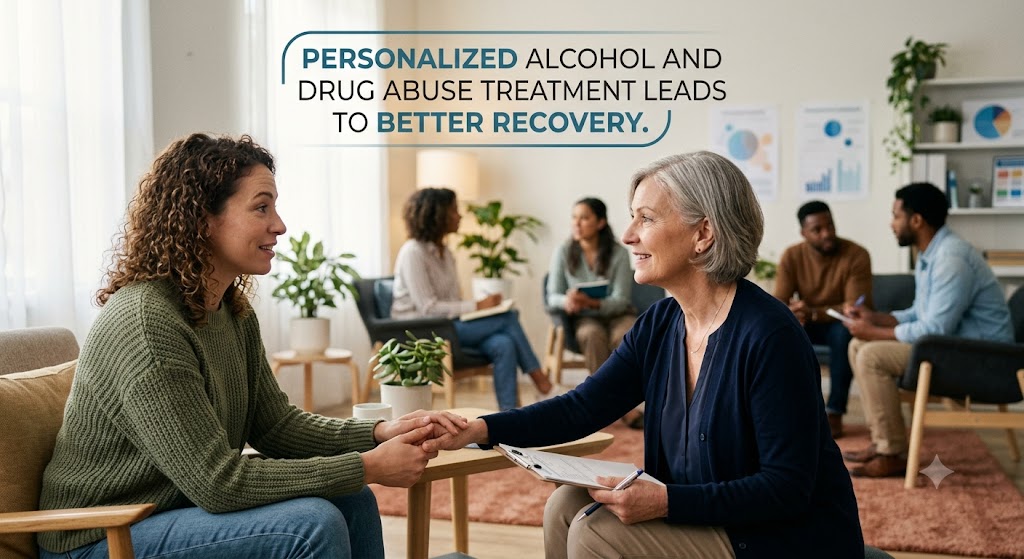
Breaking free from alcohol and drug abuse is not simply about willpower. It is about receiving the right support, in the right environment, with a treatment plan that reflects your unique needs. Addiction affects each person differently, which means recovery must also be individualized. Personalized treatment has become one of the most effective approaches in modern addiction care because it addresses the whole person, not just the substance use itself.

Why Personalized Treatment Matters in Addiction Recovery

No two people experience addiction in the same way. Factors such as mental health history, trauma, environment, physical health, and support systems all influence how substance use develops and how recovery unfolds.

Personalized treatment recognizes these differences and builds a plan tailored to the individual. Instead of a one size fits all approach, it creates a pathway that aligns with personal goals, challenges, and strengths. This improves engagement in treatment and increases the likelihood of long term success.

Addressing the Root Causes of Addiction

One of the most important benefits of personalized care is its ability to uncover and treat the root causes of substance use.

Understanding Underlying Mental Health Conditions

Many individuals struggling with alcohol and drug abuse also experience anxiety, depression, PTSD, or other mental health challenges. If these conditions are not addressed, recovery becomes much more difficult. Integrated mental health treatment ensures both addiction and emotional health are treated together.

Exploring Trauma and Life Experiences

Personalized treatment often includes therapy that helps individuals process past trauma or difficult life events. By understanding these experiences, individuals can begin to break patterns that contribute to substance use.

Identifying Personal Triggers

Triggers can include stress, relationships, environments, or emotional states. Personalized care helps individuals recognize their specific triggers and develop healthy coping strategies to manage them.

How Individualized Care Improves Treatment Outcomes

When treatment is tailored to the individual, engagement and progress naturally improve. People are more likely to stay committed when they feel understood and supported.

Increased Engagement in Treatment

Clients are more willing to participate in therapy and recovery activities when their treatment plan reflects their personal needs and goals.

Better Coping Skills Development

Personalized programs focus on teaching coping strategies that are relevant to each person’s real life situations. This makes it easier to apply what is learned in treatment to everyday challenges.

Stronger Long Term Recovery

Because personalized treatment addresses both addiction and underlying issues, it builds a stronger foundation for long term sobriety and emotional stability.

The Role of Inpatient and Outpatient Care in Personalized Treatment

Personalized care can be delivered in different settings depending on the individual’s needs.

Inpatient Treatment

Inpatient programs provide a structured and supportive environment where individuals can focus fully on recovery. This level of care is often recommended for those with severe addiction or unstable home environments.

Outpatient Treatment

Outpatient programs offer flexibility while still providing therapy, counseling, and support. This allows individuals to continue working, studying, or caring for family while receiving treatment.

Both options can be customized with individualized plans that include therapy, medical support, and holistic services.

Holistic and Faith Based Support in Personalized Care

Recovery is most effective when it supports the whole person, including emotional, physical, and spiritual well being.

Holistic Healing Approaches

Holistic care may include mindfulness, exercise, nutrition, and stress management techniques. These practices help restore balance and improve overall health.

Faith Based Recovery Support

For those who value spirituality, faith based care can provide meaning, hope, and encouragement. This type of support often strengthens motivation and helps individuals stay grounded during recovery.

Why Personalized Treatment Supports Lasting Recovery

Personalized treatment works because it meets individuals where they are. It does not force a single method on everyone. Instead, it adapts to changing needs throughout the recovery journey.

As individuals grow and progress, their treatment plan can be adjusted. This flexibility ensures continued support and reduces the risk of relapse. It also empowers individuals to take an active role in their recovery.

Taking the First Step Toward Recovery

Breaking free from addiction is possible with the right support system and a treatment plan designed specifically for you. Personalized care offers compassion, structure, and evidence based strategies that address both addiction and mental health needs.

If you or a loved one is struggling with alcohol or drug abuse, reaching out for professional help can be the turning point. A trusted treatment provider can create a personalized recovery plan that supports healing, growth, and long term stability. Recovery is not just about stopping substance use. It is about building a healthier and more fulfilling life.

Holistic Healing in Addiction Recovery: Why Mind, Body, and Spirit Matter

Recovery from alcohol and drug abuse is about more than stopping substance use. It is about rebuilding a life that feels stable, meaningful, and healthy from the inside out. Many individuals enter treatment focused on physical detox, only to discover that lasting recovery requires deeper healing. Holistic care addresses the full person by supporting the mind, body, and spirit together. This comprehensive approach helps individuals move beyond survival and into true, sustainable recovery.

What Is Holistic Healing in Addiction Recovery

Holistic healing focuses on treating the whole person rather than just the symptoms of addiction. It combines evidence based therapies with supportive practices that improve overall well being. This approach recognizes that substance use often develops as a response to stress, trauma, or emotional pain.

By addressing these underlying issues alongside physical health, holistic care creates a more balanced and effective path to recovery. It also encourages individuals to reconnect with themselves and develop healthier ways to cope with life’s challenges.

Why the Mind Matters in Recovery

Mental and emotional health play a central role in addiction recovery. Many individuals struggling with alcohol and drug abuse also face conditions such as anxiety, depression, or unresolved trauma.

Building Emotional Awareness

Therapy and counseling help individuals understand their thoughts, emotions, and behaviors. This awareness is essential for identifying triggers and developing healthier coping strategies.

Strengthening Mental Resilience

Practices such as mindfulness and stress management techniques allow individuals to respond to challenges without turning to substances. Over time, these skills improve confidence and emotional stability.

Supporting Long Term Mental Health

Integrated mental health treatment ensures that underlying conditions are addressed. This reduces the risk of relapse and supports a more stable recovery journey.

Why the Body Matters in Recovery

Substance abuse takes a significant toll on physical health. Healing the body is a critical part of restoring energy, balance, and overall well being.

Restoring Physical Health

Medical support, proper nutrition, and regular exercise help repair the damage caused by substance use. As physical health improves, individuals often experience increased motivation and clarity.

Creating Healthy Routines

Establishing consistent sleep patterns, balanced meals, and physical activity provides structure and stability. These habits reinforce positive lifestyle changes and support long term recovery.

Reducing Stress and Cravings

Physical wellness practices, including exercise and relaxation techniques, can help reduce stress and manage cravings. This strengthens an individual’s ability to stay committed to recovery goals.

Why the Spirit Matters in Recovery

Spiritual healing is often overlooked, yet it can be a powerful part of the recovery process. For many individuals, reconnecting with a sense of purpose or belief system brings hope and direction.

Finding Meaning and Purpose

Faith based support or spiritual exploration can help individuals rediscover meaning in their lives. This sense of purpose often becomes a strong motivator for maintaining sobriety.

Building Inner Peace

Practices such as meditation, reflection, or prayer encourage calmness and clarity. These practices help individuals manage stress and navigate difficult emotions with greater ease.

Strengthening Connection

Spiritual care often fosters a sense of belonging and community. Feeling connected to something greater than oneself can reduce isolation and support emotional healing.

Integrating Holistic Care Into Treatment Programs

Holistic healing works best when it is integrated into structured addiction treatment programs. Both inpatient and outpatient care can incorporate these approaches.

Inpatient Programs

In inpatient settings, individuals receive comprehensive care that includes therapy, medical support, and holistic practices in a structured environment. This allows for focused healing without outside distractions.

Outpatient Programs

Outpatient care offers flexibility while still providing access to counseling, mental health support, and holistic services. Individuals can apply what they learn in real world settings while maintaining their daily responsibilities.

Individualized Treatment Plans

Every person’s recovery journey is different. Personalized care ensures that treatment plans reflect each individual’s needs, preferences, and goals. This client centered approach increases engagement and long term success.

Practical Steps to Embrace Holistic Recovery

Individuals can begin incorporating holistic practices into their recovery journey with simple, consistent steps:

  • Practice mindfulness or meditation daily
  • Focus on balanced nutrition and hydration
  • Engage in regular physical activity
  • Explore spiritual or faith based support if meaningful
  • Stay connected with therapy, counseling, and support groups

These small actions build a strong foundation for long term wellness.

Conclusion: A Whole Person Approach to Lasting Recovery

Holistic healing offers a powerful path forward for individuals recovering from alcohol and drug abuse. By addressing the mind, body, and spirit together, this approach creates a deeper and more sustainable form of recovery. It goes beyond managing symptoms and focuses on building a healthy, balanced life.

If you or a loved one is seeking support, choosing a treatment program that embraces holistic, faith based, and individualized care can make a meaningful difference. Professional guidance, compassionate support, and a whole person approach can help you move toward lasting recovery and renewed hope. Reach out today to take the next step on your journey to healing.