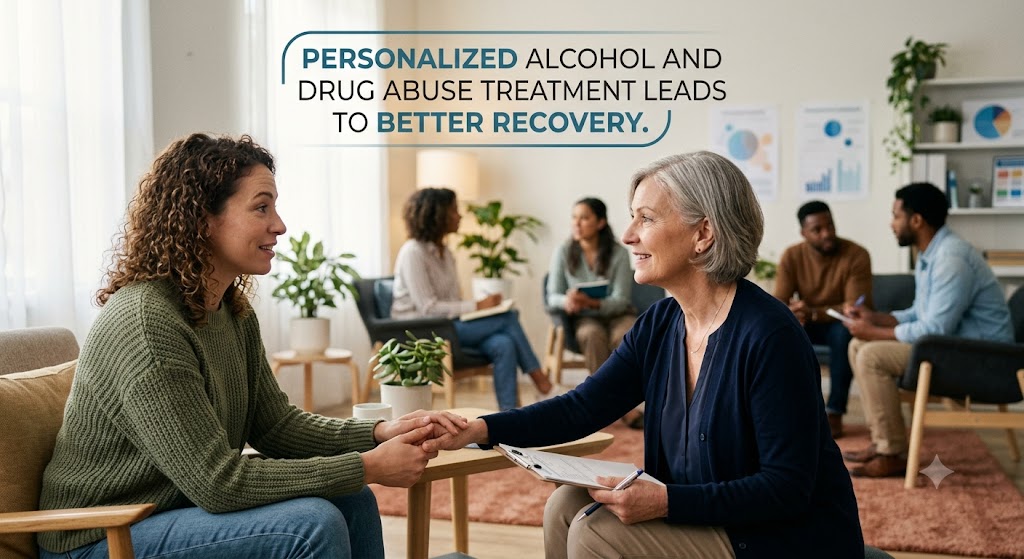
 Alcohol and drug abuse can make life feel increasingly unpredictable. Responsibilities that once seemed manageable may become overwhelming, relationships can become strained, and hope for the future may begin to fade. Yet addiction does not have to determine what happens next. Professional alcohol and drug abuse treatment can provide the structure, clinical guidance, and compassionate support needed to address substance use while rebuilding stability, confidence, and purpose. With individualized addiction recovery services, mental health treatment, and the right level of care, recovery can become a realistic path toward a healthier and more fulfilling life.
Understanding the Need for Professional Addiction Treatment
Many people struggling with alcohol or drug abuse have tried to stop using on their own. Some may manage to quit temporarily, only to return to substance use when stress, cravings, or difficult emotions arise.
This pattern does not mean someone lacks determination. Addiction can affect the brain, behavior, emotions, and physical health in ways that make lasting change difficult without appropriate support.
Addiction Is More Than a Bad Habit
Alcohol and drug abuse can become connected to routines, relationships, emotional responses, and environmental triggers. Over time, substance use may become a person’s primary way of dealing with stress, loneliness, trauma, anxiety, or other challenges.
Professional treatment looks beyond the substance itself. It helps individuals understand why they use, identify patterns that contribute to addiction, and develop healthier ways to respond to challenges.
How Treatment Can Restore Stability
One of the first benefits of professional treatment is structure. Addiction can disrupt sleep, work, relationships, finances, and everyday routines. A structured treatment environment can provide a foundation for making healthier choices.
Creating a Safe and Supportive Environment
Depending on individual needs, inpatient care can provide a highly structured setting where individuals can focus on recovery away from some of the triggers and pressures of everyday life.
Outpatient care offers another option for people who may be able to continue living at home while participating in counseling, therapy, and other recovery services.
The appropriate level of care depends on factors such as substance use patterns, physical and mental health, previous treatment experiences, home circumstances, and recovery goals.
Addressing Mental Health Alongside Addiction
Alcohol and drug abuse often exist alongside mental health challenges. Depression, anxiety, trauma, chronic stress, and other concerns can influence substance use. At the same time, prolonged substance use can worsen emotional and psychological symptoms.
Trying to address addiction without considering mental health may leave important recovery needs unmet.
Identifying Emotional Triggers
Mental health treatment can help individuals recognize the thoughts, feelings, situations, and experiences that increase the urge to use substances.
For example, someone may discover that they are most vulnerable to alcohol use after conflict at home. Another person may turn to drugs when experiencing loneliness or overwhelming anxiety.
Once these patterns are understood, treatment can focus on healthier responses.
Developing Better Coping Skills
Therapy can provide practical tools for managing difficult emotions without relying on alcohol or drugs.
Depending on the individual’s needs, treatment may include individual counseling, group therapy, behavioral strategies, trauma informed care, or other evidence based approaches.
The goal is not simply to tell someone what they should avoid. It is to help them develop skills that make healthy choices more realistic.
Why Individualized Treatment Makes a Difference
There is no universal explanation for addiction, so there should not be a universal recovery plan.
Two people may struggle with alcohol abuse but have completely different experiences. One person may be dealing with unresolved trauma, while another may be coping with severe stress, relationship difficulties, or an untreated mental health condition.
Building Treatment Around the Individual
An individualized treatment plan may consider:
- Substance use history
- Physical health
- Mental health needs
- Family relationships
- Personal strengths
- Previous treatment experiences
- Work or educational responsibilities
- Spiritual beliefs
- Recovery goals
- Potential triggers and relapse risks
This personalized approach helps ensure that treatment addresses the person rather than focusing only on the addiction.
The Role of Holistic Recovery
Recovery involves more than stopping alcohol or drug use. Long term wellness requires attention to the physical, emotional, mental, and spiritual aspects of life.
Supporting Physical Wellness
Healthy sleep, balanced nutrition, appropriate physical activity, and regular medical care can support overall wellness during recovery.
These habits may also help establish the daily structure that can be lost during active addiction.
Strengthening Emotional and Mental Wellness
Recovery can involve learning how to recognize emotions rather than immediately trying to escape them.
Mindfulness, meditation, relaxation practices, creative activities, counseling, and other healthy strategies can complement clinical addiction treatment.
These approaches give individuals additional tools for managing stress and maintaining emotional balance.
Making Room for Faith and Spirituality
For people who find strength in faith, spirituality can be an important part of the recovery process.
Faith based care may help individuals explore forgiveness, purpose, personal values, hope, and connection. When incorporated according to the individual’s beliefs, spiritual support can complement professional addiction and mental health treatment.
Rebuilding Relationships and Personal Connections
Addiction can create distance between people who once felt close. Broken promises, secrecy, financial problems, and changes in behavior can damage trust.
Recovery provides an opportunity to begin repairing these relationships.
Learning to Communicate Differently
Healthy communication is an important recovery skill. Individuals may need to learn how to express needs honestly, accept responsibility, respect boundaries, and listen to loved ones without becoming defensive.
Family support can also help loved ones understand addiction while learning how to support recovery without enabling harmful behavior.
Trust rarely returns instantly. It is rebuilt through consistent actions over time.
Developing a Strong Foundation for Long Term Recovery
Professional treatment can help individuals begin recovery, but lasting change requires skills that continue beyond formal treatment.
Creating a Relapse Prevention Plan
A practical relapse prevention plan should identify personal warning signs and potential triggers.
It may include:
- Common emotional triggers
- High risk situations
- People or environments associated with substance use
- Healthy coping strategies
- Supportive contacts
- Ongoing therapy
- Recovery groups or community support
- Steps to take when cravings become intense
Having a plan does not mean relapse is inevitable. Instead, it provides a clear response when challenges arise.
Building a Meaningful Daily Routine
A stable routine can make recovery easier to maintain. Sleep, work, exercise, meals, appointments, relationships, and enjoyable activities can provide structure and reduce the amount of unplanned time that may increase vulnerability.
Most importantly, recovery should include activities that create genuine satisfaction. Developing hobbies, pursuing career goals, reconnecting with family, volunteering, or strengthening spiritual practices can help create a sense of purpose beyond addiction.
Finding Hope During the Recovery Process
Hope can be difficult to access when someone has experienced repeated setbacks. Addiction may create shame and convince individuals that change is no longer possible.
Professional treatment offers a different perspective.
Recovery does not require perfection. Progress can involve small but meaningful changes, such as attending therapy, being honest about cravings, repairing one relationship, establishing a healthier routine, or asking for help during a difficult moment.
Setbacks Do Not Have to Define the Future
Recovery is a process. Challenges can happen, and individuals may need to adjust their treatment plans as their needs change.
The important question is not whether recovery will always be easy. It is whether a person has the support and skills necessary to continue moving forward.
Taking the First Step Toward Alcohol and Drug Abuse Recovery
Seeking treatment can feel intimidating, particularly when someone has spent months or years trying to hide the extent of their substance use. However, there is no requirement to solve everything before reaching out.
A professional assessment can help clarify what is happening and what treatment options may be appropriate.
Inpatient and outpatient programs provide different levels of support, while mental health services, holistic approaches, faith based care, and individualized treatment can address the broader needs of the person seeking recovery.
Conclusion: Stability and Hope Are Possible
Alcohol and drug abuse can disrupt nearly every part of life, but addiction does not have to be the final chapter. Professional treatment can provide the guidance, structure, compassion, and personalized support needed to begin rebuilding a stable future.
Effective recovery addresses more than substance use. It can include mental health treatment, healthier coping skills, family support, physical wellness, spiritual care, and practical strategies for maintaining long term recovery. Whether inpatient or outpatient care is most appropriate, the goal is to help each individual develop a recovery path that reflects their needs, strengths, and goals.
If alcohol or drug abuse is affecting your health, relationships, responsibilities, or sense of hope, consider reaching out for professional support. You do not have to know exactly what you need before asking for help. The first conversation can be the beginning of understanding your options.
Recovery is possible, and stability can be rebuilt one step at a time. With compassionate professional care and a commitment to change, it is possible to move beyond addiction and begin creating a life defined by health, connection, purpose, and hope.