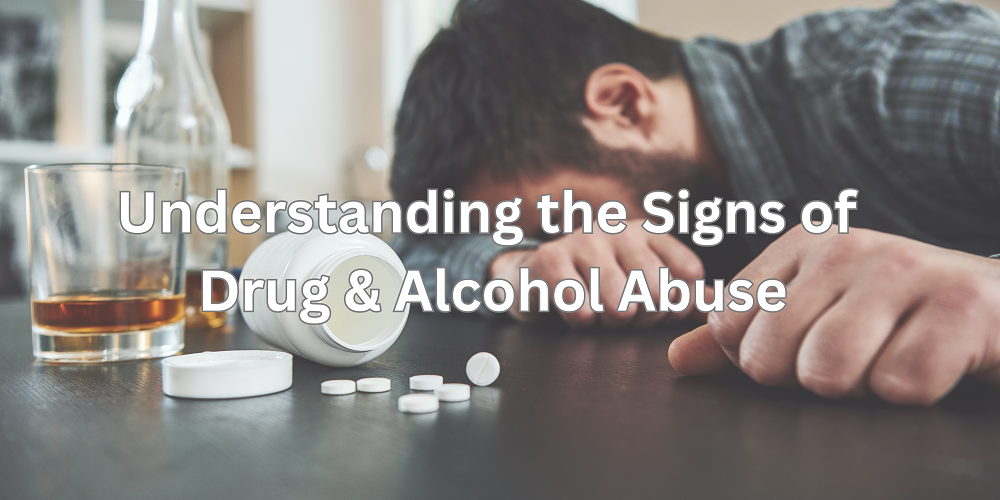
Alcohol and drug abuse can affect anyone, regardless of age, background, or socioeconomic status. Often, the signs of addiction develop gradually, making it difficult for individuals or their loved ones to recognize the problem early. Early identification is crucial because timely intervention can prevent further harm, support recovery, and improve long-term outcomes. Understanding the warning signs, risk factors, and available treatment options empowers families and individuals to take meaningful action.
Common Signs of Alcohol and Drug Abuse
Addiction affects both behavior and physical health. Recognizing these changes early can make a significant difference in seeking help.
Behavioral Signs
- Increased secrecy or withdrawal from family and friends
- Neglecting responsibilities at work, school, or home
- Sudden mood swings, irritability, or emotional instability
- Loss of interest in hobbies or activities previously enjoyed
Behavioral changes often indicate that substance use is impacting daily life and personal relationships.
Physical Signs
- Bloodshot eyes, dilated pupils, or unusual body odors
- Frequent illnesses, fatigue, or changes in appetite and sleep patterns
- Unexplained weight loss or gain
- Tremors, slurred speech, or unsteady movements
Physical symptoms provide clear evidence that substance use is affecting overall health and well-being.
Psychological Signs
- Heightened anxiety, depression, or paranoia
- Difficulty concentrating or making decisions
- Obsessive thoughts about alcohol or drugs
- Feelings of hopelessness or low self-esteem
Psychological symptoms often reflect the underlying mental health issues that accompany addiction. Integrated care addressing both mental health and substance use is essential for lasting recovery.
Risk Factors That May Increase Vulnerability
Understanding risk factors helps families and individuals identify who may be more susceptible to addiction:
- Family history of substance abuse or mental health disorders
- High levels of stress or trauma
- Early exposure to alcohol or drugs
- Social or peer pressures that encourage substance use
While these factors do not guarantee addiction, they highlight the importance of monitoring behavior and seeking guidance when concerns arise.
Steps Families Can Take to Support Recovery
Families play a vital role in helping loved ones recognize their substance use and take steps toward recovery.
Open Communication
Encourage honest, non-judgmental conversations. Listening and expressing concern without blame creates a safe environment for discussing substance use.
Seek Professional Guidance
Addiction specialists can provide assessments, recommendations, and treatment plans tailored to individual needs. Early intervention increases the likelihood of successful recovery.
Consider Inpatient or Outpatient Programs
Depending on the severity of addiction, inpatient care provides structured, round-the-clock support, while outpatient programs offer flexible care for those balancing work or family responsibilities.
Integrate Holistic and Faith-Based Support
Holistic approaches, including nutrition, exercise, mindfulness, and stress management, complement traditional treatment. Faith-based programs can provide spiritual support and community connection for those who find meaning in spiritual growth.
Practical Tips for Individuals Recognizing Their Own Substance Use
- Track patterns of use and its impact on daily life
- Reach out to trusted friends, family, or support groups
- Consider professional assessment to determine appropriate treatment
- Engage in healthy routines, including physical activity, proper nutrition, and stress reduction practices
Acknowledging the problem is the first step toward taking control of your health and future.
Conclusion: Taking Action Early Leads to Better Outcomes
Recognizing the signs of alcohol and drug abuse is a critical step for individuals and families. Early awareness, compassionate support, and access to professional treatment services significantly improve the chances of successful recovery. Holistic, faith-based, and individualized approaches ensure that care addresses the whole person—mind, body, and spirit.
If you or a loved one is struggling with alcohol or drug abuse, do not wait to seek help. Contact a trusted treatment provider today to explore personalized options for recovery and take the first step toward a healthier, more balanced life.