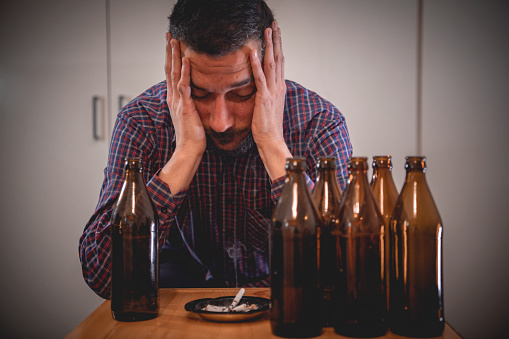
Alcohol and drug abuse does far more than affect a person’s thoughts, emotions, and relationships. It can have a serious impact on nearly every organ and system in the body, often causing health problems that develop gradually and go unnoticed until they become severe. While many people recognize addiction as a mental and emotional struggle, its physical effects deserve equal attention. Understanding how alcohol and drug abuse affects physical health can encourage earlier intervention and help individuals seek treatment before long term damage occurs. With compassionate, individualized care that addresses both addiction and mental health, recovery is possible, and so is the opportunity to restore overall wellness.
How Alcohol and Drug Abuse Affects the Body
Alcohol and drugs change the way the brain and body function. While the effects may seem temporary at first, repeated use places continuous stress on vital organs, weakens the immune system, and disrupts normal bodily processes.
The severity of physical health problems depends on several factors, including the type of substance used, frequency of use, overall health, and the length of time someone has been struggling with addiction. Regardless of these differences, long term substance abuse can affect almost every aspect of physical well being.
Early Physical Warning Signs You Should Never Ignore
The body often provides warning signs before serious medical complications develop. Recognizing these symptoms early can make treatment more effective.
Constant Fatigue
Persistent exhaustion that does not improve with rest may indicate that alcohol or drug use is interfering with normal sleep patterns, nutrition, or organ function.
Frequent Illness
Substance abuse can weaken the immune system, making individuals more vulnerable to infections and slower to recover from common illnesses.
Changes in Weight
Sudden weight loss or weight gain may result from poor nutrition, appetite changes, digestive problems, or the physical effects of addiction.
Poor Sleep
Difficulty falling asleep, staying asleep, or feeling rested can become common as addiction disrupts the body’s natural sleep cycle.
Unexplained Pain
Frequent headaches, muscle aches, stomach discomfort, or unexplained physical pain should never be ignored, especially when combined with ongoing substance use.
The Long Term Impact on Major Organs
Alcohol and drug abuse can gradually damage several vital organs, reducing overall health and quality of life.
Liver Damage
The liver plays an essential role in filtering toxins from the body. Excessive alcohol use can lead to inflammation, fatty liver disease, hepatitis, and eventually liver failure. Certain drugs can also place significant strain on liver function.
Heart and Cardiovascular Health
Substance abuse increases the risk of high blood pressure, irregular heart rhythms, heart attack, and stroke. Stimulant drugs, in particular, place tremendous stress on the cardiovascular system.
Lung Health
Smoking or inhaling drugs can damage lung tissue and increase the risk of chronic respiratory conditions, infections, and reduced lung capacity.
Digestive Problems
Alcohol and drugs may contribute to acid reflux, ulcers, pancreatitis, nausea, constipation, and poor nutrient absorption, making it difficult for the body to heal properly.
The Connection Between Physical and Mental Health
Physical health and mental health are closely connected. When the body suffers, emotional well being often declines as well.
Individuals living with addiction frequently experience:
- Anxiety
- Depression
- Mood swings
- Difficulty concentrating
- Memory problems
- Increased emotional distress
At the same time, untreated mental health conditions may contribute to continued substance use. This is why integrated treatment that addresses both addiction and mental health is essential for lasting recovery.
Why Medical Detox Can Be an Important First Step
For many individuals, stopping alcohol or drug use without medical supervision can be dangerous.
Safe Withdrawal Management
Withdrawal symptoms vary depending on the substance used and the severity of addiction. Medical professionals monitor physical health, manage symptoms, and reduce the risk of complications throughout the detox process.
Preparing for Ongoing Recovery
Detox addresses physical dependence, but it is only the beginning. Continued therapy and addiction treatment help individuals understand the emotional and behavioral factors that contribute to substance use.
Inpatient and Outpatient Care Support Physical Healing
Every recovery journey is unique, which is why treatment plans should be tailored to individual needs.
Inpatient Treatment
Inpatient programs provide a structured environment where individuals receive medical care, counseling, mental health treatment, and continuous support. This level of care is often recommended for individuals with severe addiction or significant medical concerns.
Outpatient Treatment
Outpatient care allows individuals to continue receiving therapy, counseling, and recovery support while maintaining work, school, or family responsibilities. It offers flexibility while promoting continued progress.
Holistic Healing Promotes Whole Person Recovery
Successful recovery goes beyond treating addiction alone. Holistic approaches help restore balance to the mind, body, and spirit.
Nutrition and Physical Wellness
Healthy eating supports organ function, strengthens the immune system, and provides the nutrients needed for healing after prolonged substance use.
Exercise and Movement
Regular physical activity improves cardiovascular health, reduces stress, and naturally boosts mood through the release of endorphins.
Mindfulness and Stress Reduction
Meditation, breathing exercises, and mindfulness practices help individuals manage stress and cravings while improving emotional resilience.
Faith Based Support
For individuals seeking spiritual guidance, faith based care can provide encouragement, hope, and renewed purpose throughout the recovery process.
Healthy Habits That Protect Long Term Recovery
Physical healing continues well after treatment begins. Developing healthy routines supports both sobriety and overall wellness.
Important habits include:
- Attending regular medical appointments
- Following treatment recommendations
- Participating in counseling
- Eating balanced meals
- Staying physically active
- Getting adequate sleep
- Building supportive relationships
- Managing stress through healthy coping strategies
These daily choices strengthen both physical health and long term recovery.
Conclusion: Healing Your Body Is Part of Healing Your Life
Alcohol and drug abuse affects much more than emotional health. It can quietly damage the body’s most important systems, sometimes long before obvious symptoms appear. Paying attention to early warning signs and seeking professional treatment can help prevent serious health complications while creating the foundation for lasting recovery.
If you or someone you love is experiencing the physical effects of alcohol or drug abuse, compassionate help is available. Comprehensive treatment programs that combine addiction recovery services, mental health care, inpatient and outpatient treatment, holistic therapies, and faith based support provide the tools needed to heal the whole person. Taking action today can protect your health, restore hope, and open the door to a healthier future free from addiction.