
Why Holistic Care Matters in Alcohol and Drug Abuse Recovery

Recovering from alcohol and drug abuse is not just about stopping substance use. True recovery involves healing the mind, body, and spirit. Holistic care recognizes that addiction affects every aspect of a person’s life and provides comprehensive treatment that addresses emotional, physical, and mental health needs. By integrating holistic approaches into recovery, individuals can build resilience, maintain long-term wellness, and regain a sense of balance and purpose.

Understanding Holistic Care in Addiction Treatment

Holistic care is a treatment approach that looks beyond symptoms of addiction to consider the whole person. It combines traditional medical and therapeutic interventions with complementary practices that support overall well-being. In the context of alcohol and drug abuse recovery, holistic care may include:

  • Mindfulness and meditation

  • Nutritional guidance and physical exercise

  • Stress management and coping strategies

  • Spiritual or faith-based support

This approach recognizes that lasting recovery requires more than just abstinence from substances. It involves creating a healthy lifestyle, repairing relationships, and fostering mental and emotional stability.

The Benefits of Holistic Approaches in Recovery

Incorporating holistic care into treatment offers several important benefits:

Improved Mental Health

Addiction often co-occurs with anxiety, depression, or trauma. Holistic therapies such as mindfulness, yoga, and stress reduction exercises help individuals manage emotional challenges, improve focus, and reduce relapse risk.

Physical Wellness

Substance abuse takes a toll on the body, affecting organs, energy levels, and overall health. Exercise, nutrition counseling, and medical monitoring support physical recovery, helping the body repair and regain strength.

Emotional and Spiritual Healing

Faith-based support or spiritual practices can provide purpose, hope, and a sense of community. Emotional healing through therapy, journaling, or art therapy allows individuals to process past trauma and develop healthy coping strategies.

Personalized Recovery

Holistic care is highly individualized. Treatment plans are tailored to each person’s needs, preferences, and goals. This individualized approach increases engagement and improves the likelihood of sustained recovery.

How Holistic Care Integrates With Inpatient and Outpatient Programs

Holistic care is effective across all levels of treatment.

Inpatient Programs

In inpatient or residential treatment, individuals receive structured, 24-hour care. Holistic practices are integrated into daily routines, including guided meditation, group therapy, and fitness activities. This immersive environment supports total healing in a safe and supportive space.

Outpatient Programs

Outpatient care allows individuals to apply holistic strategies while living at home. Counseling, mindfulness exercises, and lifestyle coaching help reinforce coping skills, manage triggers, and maintain balance in real-world settings.

Practical Tips for Embracing Holistic Recovery

Individuals can take proactive steps to incorporate holistic care into their recovery journey:

  • Participate fully in therapy and support groups

  • Incorporate daily mindfulness or meditation practices

  • Prioritize nutrition, hydration, and physical activity

  • Explore faith-based or spiritual support if meaningful

  • Set realistic, personalized goals for emotional and physical wellness

These strategies help individuals build resilience, manage stress, and maintain motivation throughout recovery.

Holistic Care as a Path to Lasting Recovery

Holistic care is a vital component of alcohol and drug abuse treatment. By addressing the physical, mental, and emotional aspects of addiction, individuals gain the tools and support needed for long-term wellness. Combining traditional therapies with holistic practices provides a comprehensive approach that fosters healing, balance, and hope.

If you or a loved one is struggling with alcohol or drug abuse, seeking treatment that incorporates holistic care can transform the recovery journey. Reach out to a trusted addiction treatment provider today to explore personalized programs designed to support mind, body, and spirit, and take the first step toward lasting recovery.
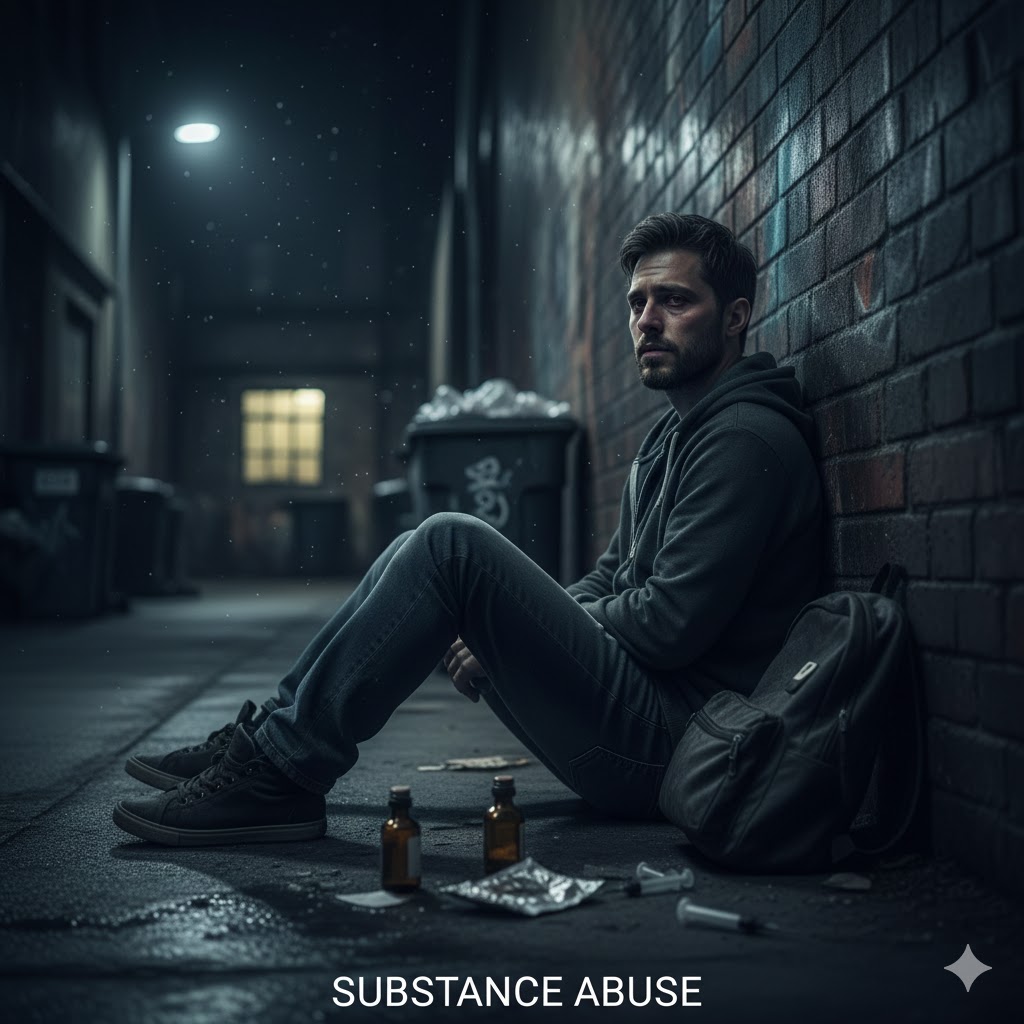
Understanding Alcohol and Drug Abuse: Tips for Recognizing the Signs and Seeking Support

Alcohol and drug abuse is a serious health concern that affects millions of individuals and families each year. Recognizing the early signs and understanding when to seek support can make a significant difference in recovery outcomes. Addiction is not a personal failing but a treatable condition that requires professional guidance, compassion, and a comprehensive approach. This article explores key indicators of alcohol and drug abuse and practical steps to access the support needed for lasting recovery.

What Is Alcohol and Drug Abuse

Alcohol and drug abuse occurs when the use of substances begins to interfere with daily life, relationships, work, or health. Occasional use may appear harmless, but repeated misuse can lead to dependence and addiction. Addiction is a chronic condition, often accompanied by mental health challenges such as anxiety, depression, or trauma. Effective treatment addresses both the physical and emotional aspects of substance use, offering a holistic path toward wellness.

Recognizing the Early Signs of Substance Abuse

Early identification of alcohol and drug abuse is essential for timely intervention. Common signs include:

Physical Indicators

  • Unexplained changes in weight or appetite

  • Bloodshot eyes or unusual body odor

  • Frequent fatigue or physical illness

  • Neglect of personal hygiene

Behavioral Indicators

  • Withdrawing from friends, family, or social activities

  • Neglecting responsibilities at work, school, or home

  • Secretive or dishonest behavior

  • Sudden changes in mood or personality

Emotional and Psychological Indicators

  • Persistent anxiety, irritability, or depression

  • Difficulty concentrating or making decisions

  • Low self-esteem or feelings of hopelessness

  • Increased risk-taking behaviors

Recognizing these patterns early allows for intervention before the situation escalates, improving the chances of successful recovery.

The Risks of Untreated Alcohol and Drug Abuse

Substance abuse can have severe long-term consequences. Physically, it can affect the liver, heart, and nervous system. Mentally, untreated addiction may worsen existing disorders or trigger new psychological challenges. Addiction also affects relationships, career stability, and overall quality of life. Awareness of these risks emphasizes the importance of seeking professional care promptly.

Seeking Support and Treatment Options

Effective treatment for alcohol and drug abuse is individualized, addressing both addiction and any co-occurring mental health concerns. Common approaches include:

Inpatient and Outpatient Care

Inpatient treatment provides a structured environment for intensive support, while outpatient care offers flexibility for those balancing personal or professional responsibilities. Both options provide therapy, counseling, and medical support tailored to each individual.

Mental Health Treatment

Integrated care for mental health and substance use disorders ensures that both conditions are treated simultaneously. Therapy, counseling, and medication management can help address underlying issues contributing to addiction.

Holistic and Faith-Based Approaches

Many programs incorporate holistic methods such as mindfulness, exercise, nutrition, and spiritual guidance. Faith-based support may provide additional encouragement, community connection, and purpose during recovery.

Personalized Treatment Plans

Every recovery journey is unique. Individualized care plans allow treatment teams to tailor therapy, medical support, and aftercare to each client’s specific needs and goals, maximizing the chances of long-term success.

Practical Steps to Take Today

If you or a loved one is showing signs of alcohol or drug abuse, consider these practical steps:

  1. Reach out to a professional addiction treatment provider for assessment

  2. Involve supportive family or friends who understand the recovery process

  3. Educate yourself about substance use and available treatment options

  4. Establish healthy routines that support mental and physical well-being

  5. Participate in therapy or support groups to build coping skills and resilience

Taking the First Step Toward Recovery

Understanding alcohol and drug abuse and recognizing the signs are essential first steps toward healing. Recovery is possible with the right professional support, compassionate guidance, and individualized care. Holistic and faith-based approaches can strengthen both mental and emotional resilience, offering a sustainable path to long-term wellness.

If you or someone you love is struggling with alcohol or drug abuse, reaching out for professional help today can change the course of your life. Trusted addiction treatment providers are ready to listen, guide, and create a personalized plan that supports recovery, health, and hope.

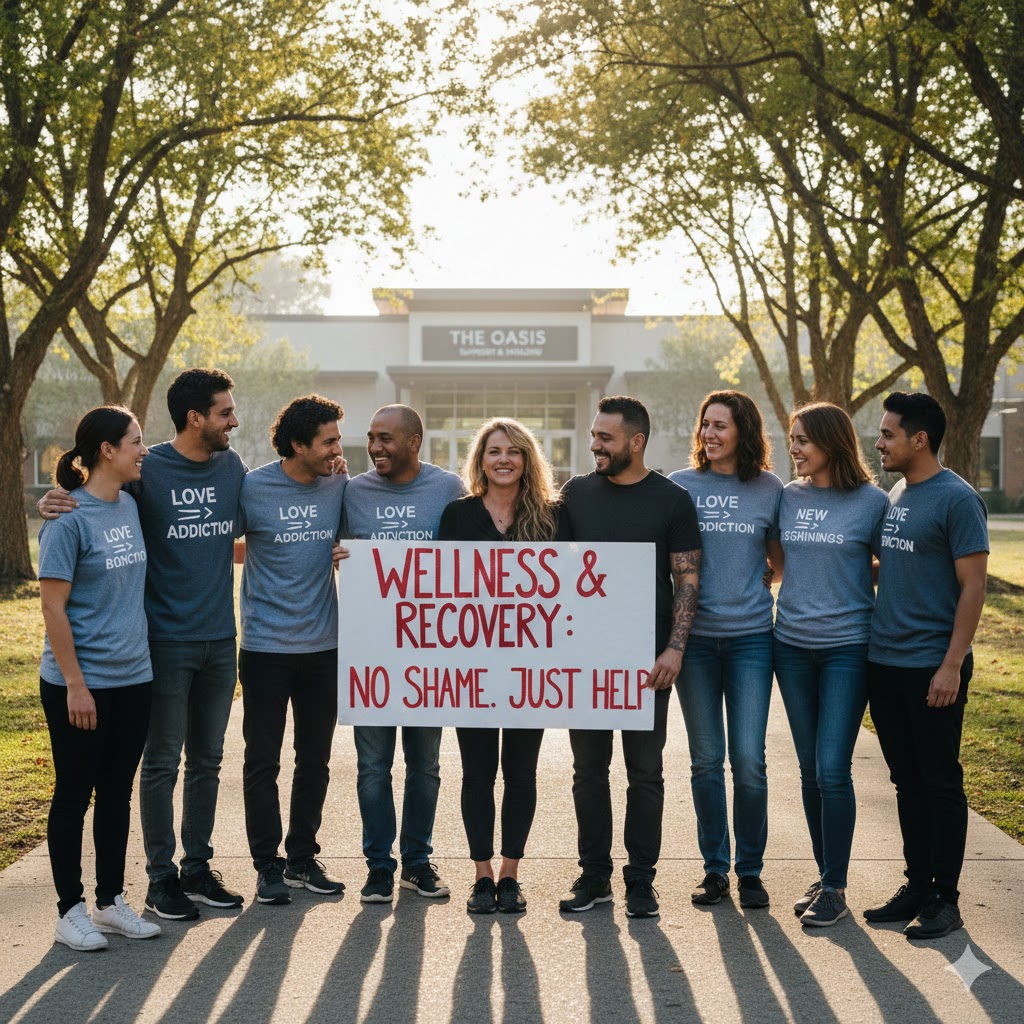
Overcoming Stigma Around Alcohol and Drug Abuse: Stories, Resources, and Real Recovery Tips

Stigma surrounding alcohol and drug abuse remains one of the biggest barriers preventing individuals from seeking help. Many people delay treatment because they fear judgment, shame, or misunderstanding from others. Yet addiction is a treatable health condition, not a personal failure. By challenging stigma and sharing real recovery strategies, individuals and families can begin to view treatment as a hopeful and empowering step toward healing. Understanding the truth about addiction helps people feel less alone and more willing to reach out for the support they deserve.

Understanding the Impact of Stigma in Alcohol and Drug Abuse

Stigma creates harmful misconceptions that discourage honest conversations about addiction and mental health. People struggling with substance use may hide their symptoms, avoid medical care, or isolate themselves from loved ones. This silence can make recovery more difficult and delay access to effective treatment.

In reality, alcohol and drug abuse often involves complex physical, emotional, and psychological factors. Mental health conditions such as anxiety, depression, and trauma frequently occur alongside substance use. Addressing these challenges requires compassion, professional care, and individualized treatment plans.

Real Stories of Hope and Recovery

Although every journey is different, many individuals have overcome addiction by reaching out for help and embracing comprehensive care. Stories of recovery often share common themes.

Finding Strength Through Professional Support

Many people begin recovery when they connect with a treatment team that understands both addiction and mental health. Structured programs provide a safe environment where individuals can explore the root causes of substance use and learn new coping skills.

Healing Through Connection and Community

Recovery becomes more sustainable when individuals feel supported by peers, counselors, and family members. Group therapy, peer support meetings, and community involvement help reduce isolation and build confidence.

Embracing Personalized Treatment Plans

Successful recovery often involves individualized care that includes therapy, medical support, holistic wellness practices, and spiritual or faith-based guidance. Tailored treatment helps individuals address their unique experiences and goals.

Resources That Help Break the Cycle of Stigma

Access to the right resources can make it easier for individuals to seek help without fear or shame.

Inpatient and Outpatient Treatment Programs

Inpatient treatment offers intensive support in a structured environment, while outpatient care provides flexibility for those balancing work, family, or personal responsibilities. Both options allow individuals to receive evidence-based therapy and mental health support in a compassionate setting.

Mental Health and Dual Diagnosis Care

Integrated treatment for mental health and substance use disorders helps individuals understand the connection between emotional challenges and addiction. Addressing both conditions simultaneously reduces the risk of relapse and promotes long-term stability.

Holistic and Faith-Based Support

Holistic care emphasizes overall well-being through mindfulness, physical wellness, nutrition, and stress management. Faith-based programs may provide spiritual guidance and a sense of purpose that strengthens recovery and helps individuals rebuild hope.

Real Recovery Tips for Overcoming Stigma

Taking practical steps can help individuals move beyond shame and embrace the recovery process.

Speak Openly With Trusted People

Sharing your experiences with a trusted counselor, family member, or support group can reduce feelings of isolation and encourage accountability.

Focus on Education and Self Awareness

Learning about addiction as a health condition helps replace self blame with understanding. Education empowers individuals to make informed decisions about treatment and recovery.

Build Healthy Routines

Consistent habits such as regular sleep, exercise, and mindfulness practices support mental health and reduce stress. Healthy routines also reinforce positive coping skills during challenging moments.

Seek Professional Guidance Early

The sooner someone reaches out for help, the more treatment options are available. Professional support provides tools, structure, and encouragement throughout the recovery journey.

Moving Forward With Confidence and Compassion

Overcoming stigma around alcohol and drug abuse begins with honest conversations, education, and access to compassionate care. Recovery is possible when individuals feel supported and understood rather than judged. Treatment programs that combine addiction recovery services, mental health care, inpatient and outpatient options, and holistic or faith-based approaches offer a comprehensive path toward healing.

If you or someone you love is struggling with alcohol or drug abuse, reaching out for professional support can be a life changing decision. Compassionate treatment teams are ready to listen, provide guidance, and create a personalized plan for lasting recovery. Take the next step today by connecting with a trusted provider who understands your challenges and believes in your potential for healing.