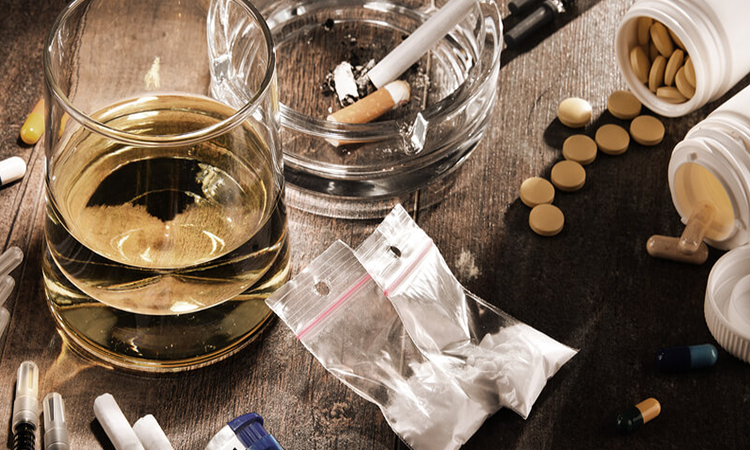
 Recovery from alcohol and drug abuse is about much more than stopping substance use. It is about rebuilding a healthy, meaningful, and fulfilling life. While taking the first step toward treatment can feel overwhelming, recovery becomes much more manageable with compassionate support and a personalized plan. Whether someone begins with inpatient treatment, outpatient care, or a combination of both, every stage of recovery offers opportunities for healing, growth, and renewed purpose. By addressing addiction, mental health, and overall well being together, individuals can build a strong foundation for lasting recovery.
Recovery Is a Journey, Not a Single Event
Alcohol and drug abuse affects every aspect of a person’s life, including physical health, emotional wellness, relationships, career, and self confidence. Recovery is not simply about eliminating substances. It is about learning new ways to cope with challenges, repairing important relationships, and creating a healthier future.
Successful recovery happens one step at a time. Every milestone, no matter how small it may seem, represents meaningful progress.
Understanding the Different Levels of Addiction Treatment
Every individual’s recovery journey is unique. The right level of care depends on the severity of addiction, mental health needs, medical history, and personal circumstances.
Inpatient Treatment Programs
Inpatient treatment provides a structured environment where individuals receive around the clock support from experienced professionals. This level of care allows people to step away from daily stressors and fully focus on recovery.
Inpatient programs often include:
- Medical supervision during detox when needed
- Individual counseling
- Group therapy
- Mental health treatment
- Relapse prevention planning
- Holistic wellness activities
For individuals with severe addiction or repeated relapses, inpatient care can provide the stability needed to begin long term healing.
Outpatient Treatment Programs
Outpatient treatment allows individuals to receive professional care while continuing to live at home. Therapy sessions, counseling, and recovery support are scheduled throughout the week, making this option more flexible for those with work, school, or family responsibilities.
Outpatient care works well for many individuals who have stable home environments and are committed to ongoing recovery.
Why Personalized Treatment Matters
No two people experience addiction in exactly the same way. Effective recovery begins with understanding each individual’s unique history, strengths, and challenges.
Personalized treatment plans often consider:
- Substance use history
- Mental health conditions
- Physical health needs
- Family dynamics
- Personal recovery goals
- Spiritual beliefs and preferences
Individualized care helps ensure that treatment addresses the root causes of addiction rather than only its symptoms.
Treating Mental Health Alongside Addiction
Many individuals entering recovery are also living with anxiety, depression, trauma, or other emotional challenges. These conditions often contribute to substance use and can increase the risk of relapse if left untreated.
Integrated Mental Health Care
Comprehensive treatment addresses both addiction and mental health simultaneously. Individual therapy, cognitive behavioral therapy, trauma informed care, and psychiatric support help individuals understand emotional triggers and develop healthier coping strategies.
Treating both conditions together creates a stronger foundation for long term recovery.
The Role of Holistic Healing
Recovery involves healing the entire person, not just overcoming physical dependence.
Supporting Physical Wellness
Healthy nutrition, regular exercise, and quality sleep help restore the body after prolonged substance use. Physical wellness often leads to improved energy, mood, and emotional stability.
Mindfulness and Stress Management
Mindfulness practices, meditation, breathing exercises, and relaxation techniques help individuals manage cravings and reduce stress without relying on alcohol or drugs.
Faith Based Support
For those who desire it, faith based care can provide encouragement, hope, and spiritual guidance throughout the recovery process. Many individuals find strength in reconnecting with their personal beliefs and values.
Building Healthy Relationships During Recovery
Addiction often damages trust between family members, friends, and loved ones. Recovery creates opportunities to rebuild these important relationships.
Family Therapy
Family counseling helps improve communication, establish healthy boundaries, and promote understanding between loved ones.
Peer Support
Support groups and group therapy allow individuals to connect with others who understand the challenges of recovery. These relationships often provide encouragement, accountability, and lasting friendships.
Creating a Long Term Recovery Plan
Finishing a treatment program is an important achievement, but recovery continues well beyond formal care.
Relapse Prevention
Individuals learn practical skills to identify triggers, manage cravings, and respond to stressful situations in healthy ways.
Continuing Care
Ongoing therapy, outpatient counseling, recovery meetings, and aftercare services provide continued guidance as individuals transition back into everyday life.
Establishing Healthy Daily Habits
Long term recovery is strengthened through consistent routines that include:
- Regular exercise
- Balanced nutrition
- Healthy sleep habits
- Meaningful hobbies
- Positive social connections
- Continued personal growth
These habits support both emotional wellness and long lasting sobriety.
Recovery Opens the Door to New Possibilities
One of the most rewarding aspects of recovery is discovering that life can become richer and more meaningful without alcohol or drugs. Individuals often regain confidence, reconnect with loved ones, pursue personal goals, and develop a renewed sense of purpose.
Recovery is not about returning to the person someone once was. It is about becoming a healthier, stronger version of themselves through healing and growth.
Conclusion: Your Future Can Be Stronger Than Your Past
Alcohol and drug abuse does not define a person’s future. With compassionate care, evidence based treatment, and personalized support, lasting recovery is possible. Inpatient and outpatient programs each provide valuable pathways toward healing, while mental health services, holistic therapies, and faith based approaches help individuals rebuild every aspect of their lives.
If you or someone you love is ready to begin the journey toward recovery, professional treatment can provide the guidance and support needed every step of the way. The decision to seek help today can become the beginning of a healthier future filled with hope, purpose, and lasting freedom from addiction.