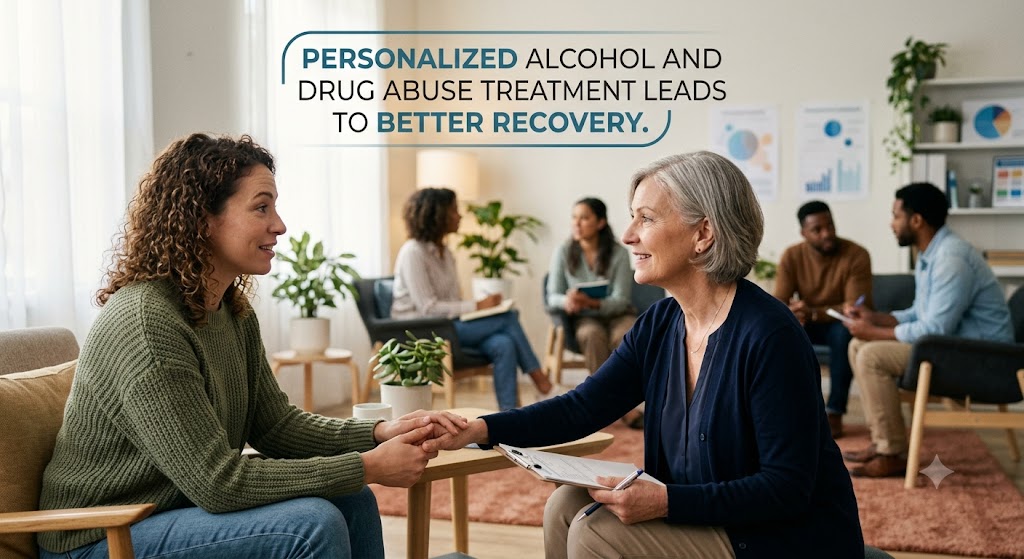
What Keeps Alcohol and Drug Abuse Going? Understanding Triggers, Habits, and the Need for Treatment

Alcohol and drug abuse rarely continues for just one reason. What starts as occasional substance use can gradually become a deeply established pattern shaped by emotional distress, environmental triggers, learned habits, relationships, and changes in the brain and behavior. Over time, drinking or drug use may begin to feel like the quickest way to escape stress, numb painful emotions, manage anxiety, or simply get through the day. Understanding what keeps alcohol and drug abuse going is an important part of recovery because lasting change requires more than stopping substance use. It requires identifying the patterns behind it and learning healthier ways to respond.

Why Alcohol and Drug Abuse Can Become a Repeating Cycle

Substance use often provides an immediate effect. Alcohol may temporarily reduce feelings of tension, while certain drugs can create feelings of relief, energy, confidence, or escape. The problem is that these effects do not last.

As the effects wear off, difficult emotions or circumstances can return. A person may then use the substance again to regain relief. This creates a cycle that can become increasingly difficult to interrupt.

Temporary Relief Can Reinforce Substance Use

Consider someone who comes home after an overwhelming day and drinks to relax. At first, the behavior may seem manageable. If drinking repeatedly provides temporary relief, the brain begins associating alcohol with relaxation.

The same process can occur with other substances. Over time, the person may automatically think about using whenever a familiar source of stress appears.

This does not mean the person is choosing addiction in a simple or deliberate way. Repeated substance use can create powerful behavioral patterns that require meaningful support to change.

Common Triggers Behind Alcohol and Drug Abuse

A trigger is anything that increases the urge to use alcohol or drugs. Triggers can be obvious, but they can also be surprisingly subtle.

Emotional Triggers

Difficult emotions are common triggers. These may include:

  • Anxiety
  • Depression
  • Anger
  • Loneliness
  • Shame
  • Grief
  • Fear
  • Boredom
  • Frustration

For some individuals, substance use becomes a way to avoid feeling emotions rather than processing them.

Learning to identify emotional triggers can help individuals understand what they actually need in those moments. Sometimes the underlying need may be rest, connection, reassurance, professional counseling, or a healthier way to manage stress.

Environmental Triggers

Places and situations can also become closely associated with substance use.

A particular neighborhood, bar, social group, celebration, workplace environment, or even a certain time of day can trigger cravings. Familiar surroundings can bring back memories and expectations associated with previous substance use.

Changing the environment during early recovery can therefore be an important part of creating stability.

Social Triggers

People can also influence substance use patterns. Friends or acquaintances who regularly drink or use drugs may make it more difficult to maintain recovery.

Pressure does not always have to be direct. Simply being around people who use substances can activate familiar habits.

Developing healthy boundaries and building relationships with people who respect recovery can provide valuable protection against these triggers.

How Habits Make Substance Use Harder to Stop

Addiction is not only about cravings. It can also involve routines that become automatic.

Someone may always drink after work, use drugs during a particular social activity, or turn to substances whenever an argument occurs. Eventually, the behavior may happen with little conscious thought.

Recognizing the Habit Loop

A useful way to understand these patterns is to look at three parts:

Trigger: Something creates an emotional or situational urge.

Behavior: The person drinks or uses drugs.

Reward: The substance provides temporary relief, pleasure, escape, or emotional numbness.

Recovery involves learning how to interrupt this sequence.

Instead of responding automatically, a person can learn to recognize the trigger and choose a different response.

Why Willpower Alone Is Often Not Enough

Many people struggling with alcohol and drug abuse have already tried to stop. They may have promised themselves, their families, or their partners that they would quit.

When substance use returns, they may feel ashamed or conclude that they are incapable of recovery.

That conclusion can be deeply discouraging.

Addiction often involves physical, psychological, emotional, and behavioral factors. Professional treatment can provide tools that go beyond simply telling someone to stop using substances.

Treatment can help individuals understand their patterns, identify triggers, develop coping skills, address mental health concerns, and create practical strategies for maintaining recovery.

The Connection Between Addiction and Mental Health

Alcohol and drug abuse frequently exists alongside emotional and psychological concerns. Sometimes mental health difficulties contribute to substance use. In other cases, ongoing substance use worsens existing symptoms or creates new emotional challenges.

Treating the Underlying Issues

If someone uses alcohol to cope with anxiety, simply removing alcohol without addressing the anxiety may leave them without an effective way to manage distress.

Similarly, someone using drugs to escape trauma or depression may need support addressing those experiences directly.

Mental health treatment can help individuals understand the emotions and experiences connected to their substance use. Counseling and other appropriate therapeutic approaches can provide healthier strategies for managing distress.

This is one reason individualized treatment matters.

How Inpatient and Outpatient Treatment Can Help

Different people require different levels of support. Treatment should reflect the person’s circumstances, substance use history, mental health needs, and recovery goals.

Inpatient Treatment

Inpatient care can provide structure and stability for individuals who need a more intensive treatment environment. Removing everyday access to familiar triggers can create space to focus on recovery.

Within a structured setting, individuals can begin establishing healthier routines while receiving professional support.

When withdrawal may pose health risks, professional assessment and appropriate medical supervision are especially important.

Outpatient Treatment

Outpatient treatment can provide ongoing support while allowing individuals to remain connected to work, family, school, or other responsibilities when clinically appropriate.

This setting can also provide opportunities to practice coping skills in everyday situations.

For example, someone may learn how to handle workplace stress without drinking, respond to family conflict without using drugs, or manage cravings while maintaining a normal daily routine.

Why Holistic and Faith Based Approaches Can Matter

Recovery involves more than avoiding substances. It also involves rebuilding a person’s overall quality of life.

Supporting the Whole Person

Holistic recovery may address physical health, emotional well being, relationships, lifestyle habits, personal values, and spiritual needs.

Healthy sleep, nutrition, physical activity, meaningful hobbies, stress management, and supportive relationships can strengthen the foundation of recovery.

These practices are most effective when they complement professional addiction and mental health care.

Finding Meaning Through Faith

For individuals whose beliefs are an important part of their lives, faith based recovery can provide another source of strength and purpose.

Spiritual practices may help individuals reflect on forgiveness, responsibility, identity, relationships, and the kind of life they want to build.

Faith does not have to be separated from clinical care. For those who value spirituality, it can become part of a broader and more personal recovery process.

Practical Ways to Start Breaking the Cycle

Understanding triggers is useful, but recognizing them is only the beginning. Recovery also requires practical strategies.

Keep Track of Your Triggers

Write down when cravings occur and what happened immediately beforehand. Look for patterns involving emotions, people, places, or situations.

Change High Risk Routines

If certain routines consistently lead to substance use, consider changing them. A different route home, a new evening activity, or spending time with supportive people can make a meaningful difference.

Build a Recovery Support System

Do not rely entirely on willpower. Identify people who can provide encouragement, accountability, and practical support.

Learn New Ways to Manage Stress

Explore coping strategies that address the underlying need. Exercise, counseling, prayer, meditation, journaling, creative activities, and meaningful social connection may provide healthier ways to manage difficult moments.

Seek Professional Help

If alcohol or drug use continues despite serious consequences, professional treatment may be appropriate. A qualified treatment provider can help determine what level and type of care best fits the individual’s circumstances.

Recovery Means Changing More Than the Substance Use

Breaking the cycle of alcohol and drug abuse is not simply about removing alcohol or drugs from someone’s life. It is about understanding what those substances have been doing for the person and finding healthier ways to meet those needs.

For one person, that may mean learning to manage anxiety. For another, it may involve processing trauma, rebuilding family relationships, developing boundaries, or discovering a sense of purpose.

That is why individualized treatment can be so valuable. Recovery becomes more sustainable when it addresses the person behind the substance use.

Taking the Next Step Toward Recovery

If you recognize a pattern of triggers, cravings, and repeated substance use in your own life, you do not have to figure everything out alone. Understanding why alcohol and drug abuse continues can be the first step toward changing the cycle.

Professional addiction recovery services can provide guidance while mental health treatment can address emotional and psychological concerns that may be connected to substance use. Depending on individual needs, inpatient or outpatient care can provide an appropriate level of structure and support. Holistic and faith based approaches can also become meaningful parts of recovery for those who value them.

Most importantly, seeking help does not require waiting until everything falls apart.

If alcohol or drugs are controlling your routines, relationships, emotions, or future plans, consider reaching out for professional support. With the right guidance and a treatment approach built around your individual needs, it is possible to understand the patterns behind substance use and begin building healthier ones in their place.
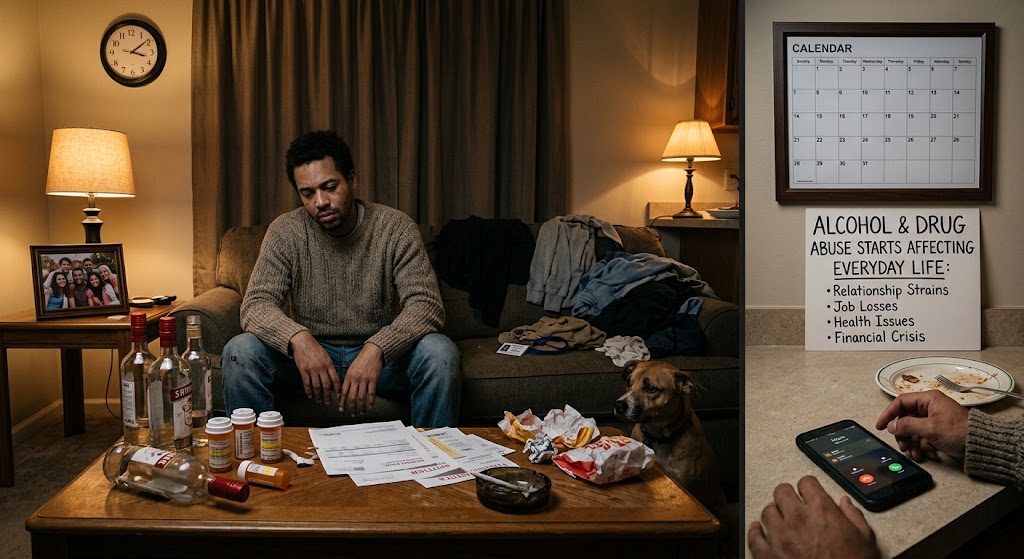
When Alcohol and Drug Abuse Starts Affecting Everyday Life: Signs It Is Time to Seek Help

Alcohol and drug abuse does not always begin with an obvious crisis. Sometimes, the changes happen slowly. A person may start drinking more frequently, using drugs to cope with stress, missing responsibilities, withdrawing from loved ones, or relying on substances just to feel normal. Because these changes can develop gradually, it may be difficult to recognize when casual or occasional use has become a serious concern. Knowing the warning signs can make it easier to seek alcohol and drug abuse treatment before the consequences become even more difficult to manage.

As substance use begins affecting everyday life, the issue is no longer simply about how much someone drinks or what substances they use. It is also about what those substances are doing to a person’s relationships, mental health, responsibilities, physical well being, and ability to live according to their values.

When Substance Use Begins Changing Daily Life

One of the clearest signs of a developing substance use problem is a noticeable change in everyday functioning.

Someone may continue going to work or school and appear to be managing life reasonably well. However, behind the scenes, alcohol or drug use may be taking increasing amounts of time, energy, attention, and emotional space.

Responsibilities Start Falling Through the Cracks

Missing work, arriving late, neglecting household responsibilities, falling behind academically, or repeatedly failing to follow through on commitments can indicate that substance use is interfering with normal life.

Occasional mistakes happen to everyone. The concern becomes greater when these problems happen repeatedly and appear connected to drinking or drug use.

Relationships Begin to Suffer

Addiction can gradually affect communication and trust. A person may become secretive about their substance use, cancel plans, isolate themselves, or become increasingly defensive when loved ones express concern.

Family members may also notice changes in personality or behavior. Arguments can become more frequent, and relationships that once provided stability may become strained.

These changes should not automatically be interpreted as a lack of care. Substance use can influence how people respond to stress, conflict, and emotional discomfort. Professional treatment can help address these patterns without reducing the person to their addiction.

Emotional Changes Can Be Important Warning Signs

Alcohol and drug abuse can affect much more than physical health. Emotional and psychological changes may be among the earliest signs that someone needs additional support.

Increased Anxiety, Irritability, or Mood Changes

A person who regularly uses substances may experience significant changes in mood. They may become unusually anxious, irritable, restless, withdrawn, or emotionally unpredictable.

Some people use alcohol or drugs because they are already struggling with difficult emotions. Others develop mental health challenges as substance use continues. In either situation, the relationship between addiction and mental health deserves careful attention.

Using Substances to Cope With Emotions

One important question is not simply, “How often do I use?”

Consider asking, “What happens when I feel stressed, sad, angry, lonely, or overwhelmed?”

If alcohol or drugs have become the primary way to manage difficult emotions, it may be time to consider professional support.

Healthy coping skills can take many forms. Counseling, meaningful relationships, exercise, spiritual practices, creative activities, mindfulness, and healthy routines can all become part of a broader recovery plan.

Tolerance, Cravings, and Loss of Control

Changes in the way a person experiences substances can also provide important clues.

Needing More to Get the Same Effect

Developing tolerance can mean that someone needs more of a substance to experience an effect they previously achieved with less. This can increase the risks associated with substance use and may make stopping more difficult.

Strong Cravings Become Part of the Day

Cravings can create a powerful mental focus on obtaining or using a substance. Someone may spend considerable time thinking about when they can drink or use again.

When cravings begin interfering with work, relationships, sleep, or other priorities, professional assessment can provide an opportunity to understand what is happening and identify appropriate treatment options.

Attempts to Cut Back Keep Failing

A person may genuinely want to reduce or stop their substance use but repeatedly find themselves returning to the same pattern.

This does not mean they lack character or determination. Addiction can involve powerful physical, psychological, and behavioral factors. Professional alcohol and drug abuse treatment can provide structure, guidance, and strategies that are difficult to develop alone.

Why Mental Health Treatment Matters

Treating substance use without considering mental health can leave important issues unresolved.

Addiction and Mental Health Can Be Connected

Depression, anxiety, trauma, grief, and other emotional concerns can influence substance use. At the same time, prolonged substance use can contribute to worsening emotional and psychological difficulties.

When both concerns are present, individualized treatment can address them together.

A comprehensive recovery approach may help individuals understand their triggers, process difficult experiences, develop healthier coping mechanisms, and recognize patterns that previously contributed to substance use.

Choosing the Right Level of Addiction Treatment

There is no single treatment setting that works for everyone. The appropriate level of care depends on factors such as substance use, physical and emotional needs, home environment, support system, and recovery goals.

Inpatient Care

Inpatient treatment can provide a structured environment for individuals who need more intensive support. Being away from everyday triggers may allow someone to focus more fully on recovery and begin establishing healthier routines.

For people with significant substance use concerns, professional assessment is especially important before attempting to stop certain substances suddenly. Some forms of withdrawal can be medically serious and may require appropriate supervision.

Outpatient Care

Outpatient treatment allows individuals to receive ongoing professional support while living at home when that level of care is appropriate.

This approach can help people apply recovery skills to everyday situations. They may work on managing cravings, handling stressful relationships, maintaining routines, and creating a support network while continuing important responsibilities.

How Holistic and Individualized Care Supports Recovery

Effective recovery involves more than addressing substance use. It also involves rebuilding the parts of life that addiction may have disrupted.

Caring for the Whole Person

A holistic approach may consider physical health, emotional well being, relationships, personal values, and spiritual needs.

Healthy sleep, nutrition, movement, stress management, meaningful activities, and supportive relationships can all contribute to a stronger foundation for recovery.

These elements work alongside professional addiction and mental health treatment rather than replacing it.

Making Recovery Personal

Individualized care recognizes that every person arrives at treatment with a different history and different goals.

Some individuals may benefit from a structured inpatient setting. Others may be appropriate for outpatient care. Some may place significant importance on faith and spirituality, while others may prefer different approaches to personal growth.

The goal is to build treatment around the person and their needs rather than forcing every individual into the same recovery model.

What You Can Do If You Recognize These Signs

Recognizing a problem is an important first step. You do not have to wait until everything falls apart before asking for help.

If you are concerned about your own alcohol or drug use, consider taking these practical steps:

Be Honest About What Is Happening

Look beyond promises or intentions and consider what substance use is actually doing to your life. Has it affected your relationships, responsibilities, finances, health, mood, or sense of control?

Talk With a Professional

An addiction treatment professional can help you understand your situation without judgment and discuss potential treatment options.

Accept Support From Trusted People

You may not need to explain everything to everyone. Start with someone you trust and allow them to support you as you explore your options.

Focus on the Next Step

Recovery can feel overwhelming when you think about changing everything at once. Instead, focus on the next healthy decision. Making an appointment, asking questions about treatment, or speaking honestly with someone you trust can be a meaningful beginning.

It Is Never Too Early to Ask for Help

Alcohol and drug abuse can gradually become part of everyday life, making unhealthy patterns feel normal. However, noticing changes in your behavior, relationships, emotional health, or ability to manage responsibilities can provide an important opportunity to intervene.

You do not have to wait for a major crisis to take your concerns seriously.

Professional alcohol and drug abuse treatment can provide the support needed to understand substance use, address mental health concerns, develop healthier coping skills, and begin rebuilding daily life. Inpatient and outpatient options can provide different levels of structure, while holistic, faith based, and individualized approaches can help make treatment more personally meaningful.

Take the Next Step Toward Recovery

If alcohol or drugs are beginning to control parts of your life that once mattered to you, consider reaching out for professional help. Asking for support is not an admission of failure. It is a practical decision to protect your health, relationships, and future.

The earlier you recognize the signs and seek appropriate support, the sooner you can begin creating a life that is not organized around substance use. Recovery starts with one honest step, and that step can begin today.

From Substance Use to Self Discovery: Finding a Healthier Path Through Alcohol and Drug Abuse Treatment

Alcohol and drug abuse can gradually change the way a person sees themselves, their relationships, and their future. What may begin as a way to cope with stress, emotional pain, trauma, or difficult circumstances can eventually become a cycle that feels impossible to break. Yet recovery is about more than stopping substance use. Effective alcohol and drug abuse treatment can help individuals understand what is driving their substance use, address underlying mental health concerns, rebuild confidence, and discover a healthier way to live.

Recovery is not about becoming someone else. It is about reconnecting with the person you were before addiction took over and developing the skills, support, and self awareness needed to move forward.

Understanding the Journey From Substance Use to Recovery

Substance use rarely exists in isolation. Alcohol or drugs may provide temporary relief from anxiety, depression, grief, loneliness, trauma, or overwhelming responsibilities. Over time, however, relying on substances to manage difficult emotions can create new problems while leaving the original concerns unresolved.

This is why meaningful treatment looks beyond the substance itself.

Addiction Is More Than a Lack of Willpower

One of the most harmful misconceptions about addiction is that people simply need to make better choices. In reality, substance use disorders can affect behavior, emotional regulation, decision making, relationships, and overall well being.

Shame and self criticism can make recovery even harder. Compassionate treatment takes a different approach. Instead of asking, “What is wrong with you?” treatment helps explore questions such as:

  • What experiences contributed to my substance use?
  • What emotions or situations trigger cravings?
  • Are there underlying mental health concerns that need attention?
  • What healthy coping skills can I develop?
  • What kind of life do I want to build in recovery?

These questions can become the foundation for genuine self discovery.

How Alcohol and Drug Abuse Treatment Supports Self Discovery

Professional addiction treatment provides an environment where individuals can step away from the pressures and patterns that have reinforced substance use. With appropriate support, treatment can become a time for reflection, healing, and meaningful change.

Individualized Treatment Addresses the Whole Person

No two recovery journeys are exactly alike. A treatment plan that works for one person may not meet another person’s needs.

Individualized care considers factors such as substance use history, mental health, personal circumstances, relationships, goals, and previous treatment experiences. This allows professionals to develop a recovery approach that addresses the individual rather than simply treating a diagnosis.

Personalized care can also help individuals identify strengths they may have overlooked. Recovery is not only about recognizing challenges. It is also about discovering resilience, values, interests, abilities, and aspirations that can support a healthier future.

Mental Health Treatment Can Reveal Underlying Issues

For many people, alcohol and drug abuse is connected to mental health concerns. Anxiety, depression, trauma, unresolved grief, and other emotional difficulties can influence substance use and make recovery more complicated.

When mental health and addiction concerns occur together, addressing only one may leave the other untreated.

Comprehensive treatment can provide an opportunity to explore these underlying concerns in a supportive setting. Learning to recognize emotions, communicate needs, process painful experiences, and develop healthier coping strategies can reduce reliance on substances as an emotional escape.

Inpatient and Outpatient Care Can Meet Different Recovery Needs

Choosing the right level of treatment is an important part of the recovery process. Inpatient and outpatient care can each provide valuable support, depending on a person’s circumstances and clinical needs.

Inpatient Treatment Provides Structure and Stability

Inpatient care can offer a structured environment away from everyday triggers and pressures. This setting may be especially helpful for individuals who need a higher level of support while beginning their recovery journey.

With professional guidance, individuals can focus more fully on treatment, emotional healing, healthy routines, and developing skills that support long term recovery.

Outpatient Treatment Helps Build Recovery Into Daily Life

Outpatient treatment allows individuals to receive professional support while continuing to manage responsibilities such as work, school, or family commitments when appropriate.

This type of care can help people practice recovery skills in real world situations. Individuals may learn how to manage cravings, establish healthier routines, communicate boundaries, and respond to stressful situations without returning to substance use.

The right treatment setting should be based on individual needs rather than assumptions about what recovery is supposed to look like.

Why Holistic Healing Matters in Addiction Recovery

Recovery involves the mind, body, emotions, relationships, and sense of purpose. For this reason, holistic approaches can provide valuable support alongside traditional addiction treatment.

Holistic care encourages individuals to consider how different areas of life influence recovery.

Rebuilding the Mind and Body

Substance use can disrupt sleep, nutrition, physical health, emotional stability, and daily routines. Recovery creates an opportunity to rebuild these foundations.

Healthy habits such as regular sleep, nutritious meals, physical activity, mindfulness, meaningful recreation, and stress management can support overall well being. These habits do not replace professional treatment, but they can become important parts of a sustainable recovery lifestyle.

Reconnecting With Purpose and Faith

For individuals who draw strength from faith, spirituality can provide an important source of meaning, hope, and connection.

Faith based recovery can encourage reflection, forgiveness, personal responsibility, and a renewed sense of purpose. It can also help individuals explore values that may guide their choices after treatment.

A compassionate approach respects each person’s beliefs and recognizes that spirituality can have different meanings for different people.

Practical Steps for Building a Healthier Life in Recovery

Self discovery becomes more meaningful when it leads to practical change. During and after treatment, individuals can begin developing routines that support their goals.

Identify Your Personal Triggers

Pay attention to situations, people, emotions, locations, and thought patterns associated with substance use. Understanding triggers makes it easier to create strategies for managing them.

Develop Healthier Coping Skills

Instead of turning to alcohol or drugs during difficult moments, experiment with healthier responses. These might include talking with a trusted person, exercising, journaling, practicing relaxation techniques, attending counseling, or engaging in meaningful activities.

Build a Supportive Network

Recovery does not have to happen alone. Supportive family members, friends, counselors, recovery communities, and other trusted people can provide encouragement and accountability.

Set Realistic Goals

You do not have to rebuild your entire life overnight. Start with manageable goals. Establishing a healthy routine, repairing one relationship, returning to a meaningful activity, or learning a new coping strategy can represent significant progress.

Practice Self Compassion

Recovery includes difficult days. A setback, difficult emotion, or strong craving does not erase the progress you have already made.

Learning from challenges without allowing shame to take control can help you continue moving forward.

Recovery Can Become a Process of Rediscovering Yourself

Alcohol and drug abuse can narrow a person’s world until obtaining and using substances becomes the primary focus. Treatment can help open that world again.

As recovery progresses, individuals may rediscover interests they abandoned, relationships they neglected, goals they postponed, and qualities they forgot they possessed. They may begin to see themselves as a parent, partner, friend, professional, creator, student, volunteer, or simply as a person with a future worth protecting.

That process is one of the most meaningful parts of recovery.

Treatment is not simply about removing substances from someone’s life. It is about helping the person build something healthier in their place.

Taking the Next Step Toward Recovery

Choosing alcohol and drug abuse treatment can feel intimidating, especially when addiction has been accompanied by shame, fear, or uncertainty about the future. You do not need to have every answer before asking for help.

The first step can simply be acknowledging that something needs to change.

With individualized addiction recovery services, mental health treatment, appropriate inpatient or outpatient care, and holistic or faith based support when desired, recovery can become an opportunity for genuine healing and self discovery.

You are more than your substance use. Your past does not have to define your future. Reaching out for professional support can be the beginning of understanding yourself more deeply, rebuilding your life, and discovering a healthier path forward.

Breaking Through Denial: How to Know When Alcohol and Drug Abuse Has Become a Serious Problem

Recognizing that alcohol or drug use has become a serious problem can be difficult, especially when denial makes it easier to explain away warning signs. Someone may tell themselves that they can stop whenever they want, that their drinking or drug use is not as severe as someone else’s, or that their substance use is simply a response to stress. Yet addiction is not defined by how a person compares with others. It is defined by the impact substances have on health, relationships, responsibilities, emotional well-being, and the ability to make choices. Understanding the signs of alcohol and drug abuse can help individuals and families recognize when professional treatment may be needed and take the first step toward recovery.

What Does Denial Look Like in Addiction?

Denial is common when someone is struggling with substance use. It can protect a person from confronting painful emotions such as shame, fear, guilt, or uncertainty about the future.

Denial does not necessarily mean someone is deliberately lying. Often, a person may genuinely believe that their alcohol or drug use is under control. They may focus on the fact that they still have a job, attend school, pay their bills, or maintain certain relationships.

However, outward stability does not necessarily mean substance use is harmless.

Common Forms of Denial

Denial may appear in several ways, including:

  • “I only drink on weekends.”
  • “I can stop whenever I decide to.”
  • “At least I am not using every day.”
  • “Everyone drinks this much.”
  • “My problems would disappear if my stress improved.”
  • “I have never had a serious problem because I have not been arrested.”
  • “I will deal with it after things settle down.”

These statements can make it harder to recognize the need for help. More importantly, waiting for a crisis before seeking treatment can allow alcohol or drug abuse to become more deeply established.

When Alcohol or Drug Use Becomes a Serious Problem

There is no single moment when substance use suddenly becomes an addiction. Problems can develop gradually. A person may first notice small changes and then realize that alcohol or drugs are taking up an increasingly large part of their life.

You Keep Using Despite Negative Consequences

One of the most important warning signs is continuing to drink or use drugs despite knowing that substance use is causing problems.

These consequences might include:

  • Conflict with a spouse, partner, or family member
  • Declining performance at work or school
  • Financial difficulties
  • Legal problems
  • Health concerns
  • Missed appointments or responsibilities
  • Social isolation
  • Changes in mood or behavior

If the consequences continue but substance use continues as well, it may be time to take a closer look at what is happening.

You Need More to Get the Same Effect

Developing tolerance can be another warning sign. Someone may find that the amount of alcohol or drugs that once produced the desired effect no longer feels sufficient.

As tolerance increases, a person may consume larger amounts or use substances more frequently. This can increase the risk of physical and psychological harm.

You Have Tried to Stop and Could Not

Perhaps one of the clearest signs that professional support may be helpful is repeated difficulty cutting back or stopping.

A person might make promises to themselves or loved ones, take breaks from substance use, or establish personal rules. Yet those efforts may repeatedly fail.

This is not evidence of weak character. Addiction can involve powerful changes in reward, motivation, stress responses, and decision making. Professional treatment can provide support that is difficult to create through willpower alone.

Changes in Behavior Can Reveal What Words Hide

Sometimes families recognize a problem before the individual does. Changes in everyday behavior can provide important clues.

Watch for Changes in Daily Life

Potential warning signs include withdrawing from family activities, becoming increasingly secretive, missing work, neglecting responsibilities, frequently needing money, or changing social circles.

You may also notice that the person spends more time planning when or where they can drink or use drugs.

These changes deserve attention, particularly when several occur together.

Pay Attention to Mood Changes

Alcohol and drug abuse can also affect emotional well-being.

Someone who is struggling may become unusually irritable, anxious, withdrawn, restless, depressed, or emotionally unpredictable. Substance use can sometimes become a way of coping with uncomfortable emotions, creating a cycle in which mental health difficulties and addiction reinforce one another.

That is why comprehensive addiction treatment often needs to address mental health as well as substance use.

The Connection Between Mental Health and Addiction

Alcohol and drug abuse rarely exists in isolation. Some individuals begin using substances to cope with anxiety, depression, trauma, grief, chronic stress, or other emotional difficulties. Others experience mental health symptoms that become more difficult to manage as substance use increases.

Treating the Whole Person

Addressing only the substance may leave underlying concerns unresolved.

Individualized treatment can help identify the factors contributing to substance use while providing appropriate mental health support. Therapy can help individuals develop healthier coping strategies, understand emotional triggers, and work through issues that may have contributed to destructive patterns.

For people experiencing both substance use and mental health concerns, integrated care can be especially valuable.

Why Families Should Take Warning Signs Seriously

Family members often struggle with how to respond when a loved one is in denial. They may worry that confronting the issue will cause anger, distance, or further substance use.

At the same time, ignoring the problem rarely makes it disappear.

Focus on Concern Instead of Blame

A compassionate conversation can be more productive than accusations.

Instead of saying, “You are an addict,” family members might describe specific behaviors and explain why they are concerned.

For example, they can mention missed responsibilities, health changes, relationship problems, or situations in which the person’s substance use created danger.

The goal should be to communicate concern and encourage professional help rather than force an immediate admission.

Set Healthy Boundaries

Supporting someone with addiction does not mean protecting them from every consequence of their behavior.

Healthy boundaries can help families avoid enabling substance use. Boundaries might involve refusing to provide money for alcohol or drugs, declining to cover missed responsibilities, or making clear what behavior will not be accepted in the home.

Family members can also seek professional guidance for themselves. Addiction affects entire families, and loved ones deserve support too.

How Professional Treatment Helps Break Through Denial

Denial often becomes weaker when a person has a safe environment in which they can examine their behavior without being humiliated or judged.

Professional addiction treatment provides that environment.

Assessment Can Clarify What Is Happening

A professional assessment can help determine the severity of alcohol or drug abuse and identify physical, emotional, psychological, and social factors that may affect recovery.

This process can also help determine whether inpatient or outpatient care is appropriate.

Inpatient Treatment Provides Structure

Inpatient care can provide a structured setting for individuals who need more intensive support. Being removed from some everyday triggers can give a person the opportunity to focus on stabilization, therapy, and recovery skills.

Outpatient Treatment Supports Recovery in Daily Life

Outpatient treatment allows individuals to receive professional care while continuing to live at home and maintain appropriate responsibilities.

This approach can include counseling, therapy, recovery planning, and ongoing support. The right level of care depends on the individual’s circumstances and clinical needs.

Why Individualized and Holistic Care Matters

No two recovery journeys are identical. Effective treatment should consider the whole person, not simply the substance they use.

Addressing Mind, Body, and Emotional Wellness

Holistic approaches can complement clinical addiction treatment by supporting physical health, emotional wellness, healthy routines, stress management, and personal growth.

Recovery may involve learning healthier ways to sleep, eat, exercise, manage stress, communicate, and respond to difficult emotions.

Making Space for Faith and Personal Values

For individuals who draw strength from faith, spiritual care can become an important part of recovery.

Faith based treatment may help individuals explore hope, forgiveness, purpose, values, and connection. Spiritual support should always respect the individual’s beliefs and personal journey.

The purpose of individualized and holistic care is to help each person build a recovery plan that feels meaningful and sustainable.

Moving Beyond Denial and Toward Recovery

Breaking through denial does not require someone to have every answer. It begins with honesty.

Ask yourself a few important questions:

  • Has alcohol or drug use become more frequent or intense?
  • Have I tried to cut back and struggled to do so?
  • Am I continuing to use despite consequences?
  • Are my relationships, work, health, or finances being affected?
  • Do I rely on substances to cope with difficult emotions?
  • Do I spend significant time thinking about using?
  • Have people I trust expressed concern?
  • Do I feel uncomfortable imagining my life without alcohol or drugs?

If several answers are concerning, professional support may be worth exploring.

Conclusion: Recognizing the Problem Is a Sign of Strength

Denial can make alcohol and drug abuse difficult to recognize, but acknowledging a problem is not a failure. In fact, it can be one of the strongest steps a person takes toward change.

You do not have to wait for a major crisis, serious health complication, damaged relationship, or legal problem before seeking help. Professional addiction treatment can provide the structure, compassion, and individualized guidance needed to understand substance use and begin changing the patterns behind it.

Whether inpatient or outpatient care is appropriate, recovery can address more than alcohol or drug use. Mental health treatment, holistic support, faith based care, family involvement, and personalized recovery planning can help individuals rebuild stability from multiple directions.

If you recognize your own experiences in these warning signs, consider reaching out for professional support. If you are concerned about someone you love, remember that you can offer encouragement without judgment while also maintaining healthy boundaries.

The first step does not have to be dramatic. It can simply be a conversation, an assessment, or an honest admission that something needs to change. With the right support, breaking through denial can become the beginning of a healthier future filled with greater stability, connection, confidence, and hope.

Alcohol and Drug Abuse Recovery: How Professional Treatment Can Help You Regain Stability and Hope

Alcohol and drug abuse can make life feel increasingly unpredictable. Responsibilities that once seemed manageable may become overwhelming, relationships can become strained, and hope for the future may begin to fade. Yet addiction does not have to determine what happens next. Professional alcohol and drug abuse treatment can provide the structure, clinical guidance, and compassionate support needed to address substance use while rebuilding stability, confidence, and purpose. With individualized addiction recovery services, mental health treatment, and the right level of care, recovery can become a realistic path toward a healthier and more fulfilling life.

Understanding the Need for Professional Addiction Treatment

Many people struggling with alcohol or drug abuse have tried to stop using on their own. Some may manage to quit temporarily, only to return to substance use when stress, cravings, or difficult emotions arise.

This pattern does not mean someone lacks determination. Addiction can affect the brain, behavior, emotions, and physical health in ways that make lasting change difficult without appropriate support.

Addiction Is More Than a Bad Habit

Alcohol and drug abuse can become connected to routines, relationships, emotional responses, and environmental triggers. Over time, substance use may become a person’s primary way of dealing with stress, loneliness, trauma, anxiety, or other challenges.

Professional treatment looks beyond the substance itself. It helps individuals understand why they use, identify patterns that contribute to addiction, and develop healthier ways to respond to challenges.

How Treatment Can Restore Stability

One of the first benefits of professional treatment is structure. Addiction can disrupt sleep, work, relationships, finances, and everyday routines. A structured treatment environment can provide a foundation for making healthier choices.

Creating a Safe and Supportive Environment

Depending on individual needs, inpatient care can provide a highly structured setting where individuals can focus on recovery away from some of the triggers and pressures of everyday life.

Outpatient care offers another option for people who may be able to continue living at home while participating in counseling, therapy, and other recovery services.

The appropriate level of care depends on factors such as substance use patterns, physical and mental health, previous treatment experiences, home circumstances, and recovery goals.

Addressing Mental Health Alongside Addiction

Alcohol and drug abuse often exist alongside mental health challenges. Depression, anxiety, trauma, chronic stress, and other concerns can influence substance use. At the same time, prolonged substance use can worsen emotional and psychological symptoms.

Trying to address addiction without considering mental health may leave important recovery needs unmet.

Identifying Emotional Triggers

Mental health treatment can help individuals recognize the thoughts, feelings, situations, and experiences that increase the urge to use substances.

For example, someone may discover that they are most vulnerable to alcohol use after conflict at home. Another person may turn to drugs when experiencing loneliness or overwhelming anxiety.

Once these patterns are understood, treatment can focus on healthier responses.

Developing Better Coping Skills

Therapy can provide practical tools for managing difficult emotions without relying on alcohol or drugs.

Depending on the individual’s needs, treatment may include individual counseling, group therapy, behavioral strategies, trauma informed care, or other evidence based approaches.

The goal is not simply to tell someone what they should avoid. It is to help them develop skills that make healthy choices more realistic.

Why Individualized Treatment Makes a Difference

There is no universal explanation for addiction, so there should not be a universal recovery plan.

Two people may struggle with alcohol abuse but have completely different experiences. One person may be dealing with unresolved trauma, while another may be coping with severe stress, relationship difficulties, or an untreated mental health condition.

Building Treatment Around the Individual

An individualized treatment plan may consider:

  • Substance use history
  • Physical health
  • Mental health needs
  • Family relationships
  • Personal strengths
  • Previous treatment experiences
  • Work or educational responsibilities
  • Spiritual beliefs
  • Recovery goals
  • Potential triggers and relapse risks

This personalized approach helps ensure that treatment addresses the person rather than focusing only on the addiction.

The Role of Holistic Recovery

Recovery involves more than stopping alcohol or drug use. Long term wellness requires attention to the physical, emotional, mental, and spiritual aspects of life.

Supporting Physical Wellness

Healthy sleep, balanced nutrition, appropriate physical activity, and regular medical care can support overall wellness during recovery.

These habits may also help establish the daily structure that can be lost during active addiction.

Strengthening Emotional and Mental Wellness

Recovery can involve learning how to recognize emotions rather than immediately trying to escape them.

Mindfulness, meditation, relaxation practices, creative activities, counseling, and other healthy strategies can complement clinical addiction treatment.

These approaches give individuals additional tools for managing stress and maintaining emotional balance.

Making Room for Faith and Spirituality

For people who find strength in faith, spirituality can be an important part of the recovery process.

Faith based care may help individuals explore forgiveness, purpose, personal values, hope, and connection. When incorporated according to the individual’s beliefs, spiritual support can complement professional addiction and mental health treatment.

Rebuilding Relationships and Personal Connections

Addiction can create distance between people who once felt close. Broken promises, secrecy, financial problems, and changes in behavior can damage trust.

Recovery provides an opportunity to begin repairing these relationships.

Learning to Communicate Differently

Healthy communication is an important recovery skill. Individuals may need to learn how to express needs honestly, accept responsibility, respect boundaries, and listen to loved ones without becoming defensive.

Family support can also help loved ones understand addiction while learning how to support recovery without enabling harmful behavior.

Trust rarely returns instantly. It is rebuilt through consistent actions over time.

Developing a Strong Foundation for Long Term Recovery

Professional treatment can help individuals begin recovery, but lasting change requires skills that continue beyond formal treatment.

Creating a Relapse Prevention Plan

A practical relapse prevention plan should identify personal warning signs and potential triggers.

It may include:

  • Common emotional triggers
  • High risk situations
  • People or environments associated with substance use
  • Healthy coping strategies
  • Supportive contacts
  • Ongoing therapy
  • Recovery groups or community support
  • Steps to take when cravings become intense

Having a plan does not mean relapse is inevitable. Instead, it provides a clear response when challenges arise.

Building a Meaningful Daily Routine

A stable routine can make recovery easier to maintain. Sleep, work, exercise, meals, appointments, relationships, and enjoyable activities can provide structure and reduce the amount of unplanned time that may increase vulnerability.

Most importantly, recovery should include activities that create genuine satisfaction. Developing hobbies, pursuing career goals, reconnecting with family, volunteering, or strengthening spiritual practices can help create a sense of purpose beyond addiction.

Finding Hope During the Recovery Process

Hope can be difficult to access when someone has experienced repeated setbacks. Addiction may create shame and convince individuals that change is no longer possible.

Professional treatment offers a different perspective.

Recovery does not require perfection. Progress can involve small but meaningful changes, such as attending therapy, being honest about cravings, repairing one relationship, establishing a healthier routine, or asking for help during a difficult moment.

Setbacks Do Not Have to Define the Future

Recovery is a process. Challenges can happen, and individuals may need to adjust their treatment plans as their needs change.

The important question is not whether recovery will always be easy. It is whether a person has the support and skills necessary to continue moving forward.

Taking the First Step Toward Alcohol and Drug Abuse Recovery

Seeking treatment can feel intimidating, particularly when someone has spent months or years trying to hide the extent of their substance use. However, there is no requirement to solve everything before reaching out.

A professional assessment can help clarify what is happening and what treatment options may be appropriate.

Inpatient and outpatient programs provide different levels of support, while mental health services, holistic approaches, faith based care, and individualized treatment can address the broader needs of the person seeking recovery.

Conclusion: Stability and Hope Are Possible

Alcohol and drug abuse can disrupt nearly every part of life, but addiction does not have to be the final chapter. Professional treatment can provide the guidance, structure, compassion, and personalized support needed to begin rebuilding a stable future.

Effective recovery addresses more than substance use. It can include mental health treatment, healthier coping skills, family support, physical wellness, spiritual care, and practical strategies for maintaining long term recovery. Whether inpatient or outpatient care is most appropriate, the goal is to help each individual develop a recovery path that reflects their needs, strengths, and goals.

If alcohol or drug abuse is affecting your health, relationships, responsibilities, or sense of hope, consider reaching out for professional support. You do not have to know exactly what you need before asking for help. The first conversation can be the beginning of understanding your options.

Recovery is possible, and stability can be rebuilt one step at a time. With compassionate professional care and a commitment to change, it is possible to move beyond addiction and begin creating a life defined by health, connection, purpose, and hope.

Beyond the Bottle and the High: Understanding the Real Impact of Alcohol and Drug Abuse

Alcohol and drug abuse can affect far more than a person’s drinking or drug use. Over time, substance use can influence physical health, emotional well being, family relationships, employment, finances, and a person’s sense of identity. What may begin as a way to relax, cope with stress, or escape difficult emotions can gradually become a pattern that feels difficult to control. Understanding the real impact of alcohol and drug abuse is an important step toward recognizing when professional help may be needed. With compassionate, individualized addiction treatment and mental health support, recovery can address not only substance use but also the deeper issues that often keep the cycle going.

Alcohol and Drug Abuse Affects the Whole Person

Addiction is a complex condition that can influence nearly every area of life. The consequences may develop gradually, which means a person may not immediately recognize how significantly substance use has changed their health or behavior.

For some people, problems become obvious through missed work, damaged relationships, financial difficulties, or repeated attempts to stop using. For others, the impact remains hidden behind a successful career, family responsibilities, or an outward appearance of stability.

Physical Health Can Decline Over Time

Alcohol and drugs can place significant stress on the body. Depending on the substance, frequency of use, and individual circumstances, substance abuse may contribute to health problems involving the heart, liver, brain, digestive system, immune system, and other areas of the body.

Poor sleep, changes in appetite, fatigue, injuries, and reduced attention to personal health can also become part of the picture.

However, physical consequences are not always immediately visible. That is one reason early recognition and professional assessment are so important.

The Connection Between Addiction and Mental Health

Alcohol and drug abuse frequently intersect with mental and emotional health. Some people begin using substances to manage anxiety, depression, trauma, grief, loneliness, or overwhelming stress. Others develop mental health symptoms after prolonged substance use.

This relationship can create a difficult cycle.

Substances May Provide Temporary Relief

A person may drink after a stressful day because alcohol seems to quiet anxious thoughts. Someone else may use drugs because they temporarily feel more energetic, confident, relaxed, or disconnected from emotional pain.

The relief may feel real in the moment. Unfortunately, it often does not address the underlying problem.

As the effects wear off, difficult emotions can return. In some cases, they may feel even more intense. This can lead to additional substance use and reinforce the cycle.

Treating Mental Health Matters

Effective addiction recovery should consider the emotional and psychological factors surrounding substance use.

Mental health treatment can help individuals identify triggers, process difficult experiences, improve coping skills, and develop healthier ways to manage emotions. When addiction and mental health concerns occur together, addressing both can provide a more complete foundation for recovery.

How Addiction Changes Relationships

Substance use rarely affects only the person using alcohol or drugs. Family members, partners, friends, and coworkers may also experience the consequences.

Trust can become difficult to maintain when someone repeatedly makes promises about stopping but continues to use. Communication may become tense. Loved ones may begin monitoring behavior or attempting to control the situation because they are frightened about what could happen next.

Rebuilding Trust Takes Consistency

Recovery can create an opportunity to repair damaged relationships, but rebuilding trust takes time.

Honest communication, accountability, healthy boundaries, and consistent behavior can gradually demonstrate meaningful change. Family therapy may also help loved ones understand addiction and learn more constructive ways to support recovery.

Importantly, family members cannot recover on behalf of someone else. Professional treatment gives the individual struggling with addiction responsibility for their own recovery while helping loved ones establish healthy boundaries.

The Impact on Work, School, and Financial Stability

Alcohol and drug abuse can interfere with concentration, reliability, motivation, and decision making. Over time, these effects may create problems at work or school.

Someone may begin arriving late, missing responsibilities, making mistakes, or losing interest in goals that once mattered. Financial problems can also develop when money is repeatedly spent on alcohol or drugs.

Recovery Can Restore Direction

Treatment provides an opportunity to rebuild structure and reconsider personal priorities.

As recovery progresses, individuals can work toward healthier routines, improved decision making, renewed professional goals, and greater financial stability. These changes may not happen immediately, but consistent progress can make a meaningful difference.

Why Addiction Can Feel Like Losing Yourself

One of the most painful effects of long term substance abuse is the feeling that addiction has replaced a person’s identity.

Interests may disappear. Relationships may become distant. Daily life can become increasingly focused on obtaining, using, or recovering from substances.

A person may eventually wonder, “Who am I without alcohol or drugs?”

That question is an important part of recovery.

Reconnecting With Personal Values

Treatment can help individuals rediscover the values, interests, relationships, and goals that existed before addiction became dominant.

Recovery is not simply about removing substances from someone’s life. It is also about creating a life that gives them reasons to continue choosing recovery.

That might involve reconnecting with family, returning to school, pursuing meaningful work, developing hobbies, strengthening spirituality, or simply learning how to enjoy everyday experiences without relying on substances.

Why Individualized Addiction Treatment Matters

There is no single explanation for why someone develops an addiction. Therefore, there should not be one identical treatment plan for everyone.

An individualized approach considers the person’s substance use history, physical health, mental health, family environment, personal strengths, challenges, beliefs, and recovery goals.

Finding the Appropriate Level of Care

Some individuals may benefit from the structure of inpatient treatment, particularly when substance use or related concerns require intensive support.

Others may benefit from outpatient treatment that provides counseling and recovery services while allowing them to remain connected to work, school, and family responsibilities.

The appropriate level of care should be determined through a professional assessment rather than personal assumptions.

The Role of Holistic Recovery

Addiction recovery involves more than counseling and abstinence. A holistic approach considers the physical, emotional, mental, and spiritual aspects of wellness.

Supporting Physical Wellness

Healthy nutrition, regular movement, adequate sleep, and appropriate medical care can support overall well being during recovery.

Developing healthier daily habits can also provide structure and reduce some of the vulnerability associated with stress and exhaustion.

Developing Emotional Coping Skills

Therapy can teach practical strategies for managing cravings, difficult emotions, interpersonal conflict, and stressful situations.

Mindfulness, meditation, creative activities, relaxation techniques, and other healthy practices may complement clinical treatment and provide additional ways to respond to emotional discomfort.

Incorporating Faith When It Matters

For individuals who draw strength from spirituality, faith based recovery can provide encouragement, meaning, and hope.

Faith does not have to replace professional addiction or mental health treatment. Instead, it can complement individualized care when it reflects the person’s beliefs and preferences.

What Recovery Can Look Like

Recovery is not simply the absence of alcohol or drugs. It is the gradual development of a healthier and more meaningful way of living.

Progress may involve:

  • Attending therapy consistently
  • Developing healthier coping skills
  • Repairing relationships
  • Establishing a stable daily routine
  • Addressing mental health concerns
  • Learning to recognize personal triggers
  • Building a supportive network
  • Rediscovering meaningful interests
  • Establishing professional or educational goals
  • Developing a relapse prevention plan

Some days may feel easier than others. That does not mean treatment is failing. Recovery is a process, and individuals often need continued support as they navigate new challenges.

Recognizing When It Is Time to Ask for Help

You do not have to wait for a crisis before seeking addiction treatment.

If alcohol or drug use is becoming difficult to control, affecting relationships, interfering with responsibilities, damaging health, or being used primarily to cope with emotional pain, professional support may be appropriate.

A treatment professional can help assess the situation and determine what type of care may be most suitable.

Asking for Help Is a Sign of Strength

Many people delay treatment because they feel ashamed or believe they should be able to stop on their own. Others worry about what family, friends, or coworkers might think.

Addiction is not a moral failure. Seeking treatment is a responsible decision to protect your health and future.

Professional care provides support without reducing a person to their addiction.

Conclusion: There Is More to Life Than Addiction

The real impact of alcohol and drug abuse extends far beyond the bottle, the pill, or the high. Addiction can affect physical health, mental health, relationships, careers, finances, confidence, and personal identity. Yet these consequences do not have to define the rest of a person’s life.

With individualized addiction recovery services, mental health treatment, and appropriate inpatient or outpatient care, people can begin addressing the causes and consequences of substance abuse. Holistic approaches can further support physical, emotional, and spiritual wellness, while faith based care may provide an additional source of meaning and hope for those who want it.

If alcohol or drug abuse is affecting your life or the life of someone you love, consider taking the next step toward professional support. Recovery does not require having everything figured out. It begins with recognizing that change is needed and allowing qualified professionals to help you determine a path forward.

A healthier life can begin with one honest decision to seek help.

When Alcohol and Drug Abuse Takes Control: How Treatment Can Help You Take Your Life Back

Alcohol and drug abuse can gradually take over parts of life that once felt stable and manageable. What may begin as occasional drinking or substance use can develop into a pattern that affects health, relationships, work, emotional well being, and personal goals. When substance use begins to feel impossible to control, seeking professional treatment is not a sign of weakness. It is a practical and courageous decision to regain control. With individualized addiction recovery services, mental health treatment, and the right level of care, people can address the causes of addiction, develop healthier coping skills, and begin building a life beyond substance use.

Recognizing When Alcohol and Drug Abuse Has Taken Control

Addiction does not always look the same from one person to another. Some individuals experience obvious problems, while others continue working, caring for family, and maintaining responsibilities while privately struggling with substance use.

The key question is not simply how much someone drinks or uses drugs. It is whether substance use is beginning to interfere with the person’s ability to live according to their values and responsibilities.

Common Warning Signs

Some signs that alcohol or drug abuse may be becoming a serious concern include:

  • Using more of a substance than originally intended
  • Trying to cut back but repeatedly returning to use
  • Spending significant time obtaining, using, or recovering from substances
  • Experiencing strong cravings
  • Neglecting family, work, school, or personal responsibilities
  • Continuing to use despite physical or emotional consequences
  • Withdrawing from people or activities once considered important
  • Using substances to cope with stress, anxiety, sadness, or difficult memories
  • Experiencing withdrawal symptoms when attempting to stop

Recognizing these patterns early can make it easier to seek help before the consequences become more severe.

Why Addiction Can Be Difficult to Overcome Alone

A common misconception is that someone struggling with alcohol or drug abuse simply needs to make a stronger decision to stop. In reality, addiction can involve changes in brain function, emotional regulation, behavior, and physical dependence.

Repeated substance use can reinforce the brain’s reward pathways. Over time, cravings may become powerful, while stressful situations can trigger an urge to use even when a person genuinely wants to stop.

Willpower Is Not the Whole Solution

Personal commitment matters, but recovery also requires practical tools and support. Professional treatment provides an environment where individuals can understand their patterns of substance use and learn healthier ways to respond to cravings, stress, and emotional challenges.

This approach shifts the focus from blame to meaningful change.

Looking Beneath the Addiction

Treating alcohol and drug abuse effectively means understanding what may be driving substance use.

For some individuals, addiction develops alongside unresolved trauma. Others may use substances to manage depression, anxiety, grief, chronic stress, loneliness, or other emotional difficulties.

Treating Mental Health and Addiction Together

When addiction and mental health concerns occur at the same time, addressing only substance use may leave important issues untreated.

Integrated mental health treatment can help individuals:

  • Identify emotional triggers
  • Process difficult experiences
  • Develop healthier coping strategies
  • Improve emotional regulation
  • Challenge destructive thought patterns
  • Strengthen self awareness
  • Build resilience for life after treatment

When underlying concerns are addressed alongside addiction, recovery becomes more comprehensive and sustainable.

Choosing the Right Level of Addiction Treatment

There is no universal treatment plan for alcohol and drug abuse. The appropriate level of care depends on factors such as the severity of substance use, physical health, mental health, home environment, previous treatment experiences, and personal responsibilities.

Inpatient Treatment

Inpatient care offers a structured setting where individuals can focus on recovery away from many of the distractions and triggers associated with everyday life.

Depending on individual needs, treatment may include medical support, individual counseling, group therapy, mental health services, recovery education, and holistic wellness activities.

This structured environment can be especially valuable for individuals who need a higher level of support or have struggled to maintain recovery in less intensive settings.

Outpatient Treatment

Outpatient treatment provides professional support while allowing individuals to continue participating in work, school, or family responsibilities.

Counseling, therapy, relapse prevention education, and other recovery services can help individuals apply what they learn in treatment to real life.

For some people, outpatient care can also provide continued support after completing a more intensive program.

Why Individualized Treatment Matters

Effective addiction treatment should reflect the person receiving it.

Two individuals may struggle with the same substance but have completely different reasons for using it, different family circumstances, and different recovery goals.

Creating a Personal Recovery Plan

An individualized treatment plan may consider:

  • Substance use history
  • Physical health
  • Mental health
  • Family relationships
  • Trauma and emotional experiences
  • Employment and financial concerns
  • Personal strengths
  • Spiritual beliefs
  • Long term recovery goals

This information helps treatment professionals determine which services and approaches may be most appropriate.

Personalized care also gives individuals a greater opportunity to participate actively in decisions about their recovery.

The Role of Holistic Healing

Addiction affects the whole person. Therefore, recovery should support more than sobriety alone.

Holistic approaches can complement traditional addiction treatment by addressing physical, emotional, mental, and spiritual wellness.

Caring for the Body

Healthy nutrition, regular physical activity, adequate sleep, and appropriate medical care can help the body recover from the effects of prolonged substance use.

Strengthening Emotional Wellness

Mindfulness, meditation, relaxation techniques, creative activities, and other healthy practices can provide alternatives to substance use when stress becomes overwhelming.

Finding Meaning Through Faith

For individuals who value spirituality, faith based support can offer hope, encouragement, and a renewed sense of purpose. Spiritual care should be personalized and aligned with the individual’s beliefs and preferences.

Rebuilding the Parts of Life Addiction Has Disrupted

Getting sober is an important accomplishment, but recovery does not end when substance use stops. Many people also need to rebuild relationships, routines, careers, confidence, and personal goals.

Repairing Relationships

Addiction can create broken trust and painful communication patterns. Family counseling and honest communication can help loved ones understand addiction while creating opportunities for healthier relationships.

Trust is rebuilt gradually through consistent actions, accountability, and continued recovery.

Rediscovering Purpose

Substance use can consume time and energy that once went toward meaningful activities. Recovery creates an opportunity to rediscover interests, pursue professional goals, strengthen relationships, and develop new sources of fulfillment.

A meaningful daily routine can become an important part of long term recovery.

Developing Skills for Long Term Recovery

Treatment should prepare individuals for life beyond a formal program. One of the most important parts of this process is learning how to recognize and manage potential triggers.

Building a Relapse Prevention Plan

A strong relapse prevention plan may identify:

  • Personal triggers
  • High risk situations
  • Early warning signs
  • Healthy coping strategies
  • Supportive people
  • Emergency resources
  • Ongoing therapy or recovery services

Having a plan in place can make it easier to respond to challenges before they become overwhelming.

Building a Support System

Recovery is often stronger when people do not try to handle every challenge alone. Support may come from family members, counselors, peer groups, faith communities, or other trusted individuals.

The goal is to create a network that encourages healthy choices and provides accountability during difficult moments.

Taking the First Step Toward Recovery

Admitting that alcohol or drug abuse has become difficult to control can be uncomfortable. However, recognizing the problem can also be the beginning of meaningful change.

You do not have to have every answer before asking for help. A professional assessment can provide clarity about available treatment options and help determine what level of care may be appropriate.

Conclusion: Taking Your Life Back Is Possible

When alcohol and drug abuse takes control, it can feel as though the future has become smaller and less predictable. However, addiction does not have to determine what happens next. Professional treatment can provide the structure, clinical support, compassion, and practical tools needed to begin changing the course of your life.

Comprehensive addiction recovery services, mental health treatment, inpatient and outpatient care, holistic approaches, and individualized support can address the many factors that influence addiction. For those who value spirituality, faith based care can also become an important source of hope and purpose.

If alcohol or drug abuse is affecting your health, relationships, work, or sense of self, consider reaching out for professional support. The first step does not require perfection. It simply requires a willingness to begin. With the right treatment and continued support, you can move beyond addiction, rebuild what has been lost, and create a healthier future with greater confidence and purpose.

Hope After Addiction: How Alcohol and Drug Abuse Treatment Helps Rebuild Families, Careers, and Confidence

Alcohol and drug abuse can affect nearly every part of a person’s life. Relationships may become strained, professional goals can be interrupted, and confidence can gradually disappear beneath guilt, shame, and uncertainty. However, addiction does not have to define someone’s future. With compassionate, individualized alcohol and drug abuse treatment, recovery can become an opportunity to repair what has been damaged and build something stronger. Treatment can help individuals restore family relationships, rediscover professional purpose, improve mental health, and develop the confidence needed to move forward.

Recovery Is About More Than Stopping Substance Use

Ending alcohol or drug use is an important first step, but lasting recovery involves much more than abstinence. Addiction can influence how people think, behave, communicate, and respond to stress. As a result, recovery must address the underlying issues that allowed substance use to become a coping strategy.

Comprehensive treatment helps individuals understand their addiction while developing healthier ways to handle emotions, relationships, responsibilities, and everyday challenges.

Creating a Foundation for Change

Recovery begins with honest assessment and a personalized treatment plan. Professionals can evaluate substance use, physical health, mental health, family circumstances, and personal goals.

This information helps determine which services and level of care are most appropriate. For some individuals, inpatient treatment provides the structure needed to stabilize and begin healing. Others may benefit from outpatient care that allows them to continue working or caring for family while receiving professional support.

Rebuilding Family Relationships

Addiction rarely affects only one person. Family members may experience worry, frustration, disappointment, or loss of trust. At the same time, the individual struggling with addiction may feel guilt or shame about how substance use has affected loved ones.

Recovery provides an opportunity to begin repairing these relationships.

Relearning Healthy Communication

Therapy can help individuals and families communicate more openly and respectfully. Instead of avoiding difficult subjects or repeating old arguments, family members can learn to express concerns, establish boundaries, and listen to one another.

Rebuilding Trust Takes Time

Trust usually cannot be restored through promises alone. It develops through consistent actions over time. Maintaining recovery, following through on commitments, communicating honestly, and accepting responsibility can gradually demonstrate meaningful change.

Family counseling can also help loved ones understand addiction as a complex condition rather than simply a matter of willpower.

Restoring Mental and Emotional Health

Mental health treatment is an important part of lasting addiction recovery. Many people struggling with alcohol and drug abuse also experience anxiety, depression, trauma, or other emotional difficulties.

Treating Co Occurring Conditions

If underlying mental health concerns remain untreated, they can continue to contribute to substance use and increase vulnerability to relapse. Integrated care addresses addiction and mental health together.

Individual therapy can help people identify emotional triggers, process difficult experiences, challenge unhealthy thought patterns, and develop practical coping skills.

Replacing Shame With Self Compassion

Shame can become a powerful obstacle to recovery. People may define themselves by past mistakes rather than recognizing their capacity for change.

Professional support can help individuals take responsibility for harmful behaviors without allowing those experiences to become their entire identity. Recovery is an opportunity to learn from the past while making healthier choices in the present.

Rebuilding Careers and Professional Goals

Addiction can interfere with employment, education, financial stability, and long term professional goals. Some individuals lose jobs or opportunities, while others struggle to maintain concentration and motivation.

Recovery can provide the structure needed to begin rebuilding a professional life.

Developing Reliability and Routine

Healthy routines are essential for both recovery and career development. Maintaining consistent sleep, attending appointments, managing responsibilities, and following through on commitments can gradually restore stability.

Rediscovering Purpose

Treatment can also give individuals an opportunity to consider what they want from their future. Career counseling, education, meaningful hobbies, volunteer work, or new professional goals can provide a renewed sense of direction.

A fulfilling career is not simply about financial success. Meaningful work can provide structure, purpose, confidence, and a sense of contribution.

Inpatient and Outpatient Care Can Support Different Stages of Recovery

There is no single treatment path that works for everyone. Individual needs should determine the appropriate level of care.

Inpatient Treatment

Inpatient treatment provides a structured setting where individuals can focus closely on recovery while receiving professional support. This environment may be particularly valuable for people with significant substance use, complex mental health concerns, or difficulty maintaining recovery in their current surroundings.

Treatment can include counseling, mental health services, recovery education, wellness activities, and relapse prevention planning.

Outpatient Treatment

Outpatient treatment provides continued professional support while allowing individuals to remain involved in work, school, and family responsibilities.

For some people, outpatient care is an important step after inpatient treatment. It can provide continued accountability and therapy while individuals gradually adjust to everyday life.

Holistic Healing Helps Rebuild the Whole Person

Recovery becomes stronger when treatment considers physical, emotional, mental, and spiritual wellness.

Caring for Physical Health

Nutrition, exercise, adequate sleep, and regular medical care can help restore the body after prolonged substance use. Physical wellness also supports emotional stability and energy.

Managing Stress Naturally

Mindfulness, meditation, relaxation exercises, and other healthy activities can provide alternatives to substance use when stress or difficult emotions arise.

Finding Strength Through Faith

For individuals who value spirituality, faith based treatment can provide hope, encouragement, and a renewed sense of purpose. Spiritual practices may help people reconnect with their values and find meaning during challenging stages of recovery.

Building Confidence Through Everyday Progress

Confidence rarely returns all at once. It develops through repeated experiences of making healthy decisions and following through.

Small accomplishments can become important milestones. Attending therapy, maintaining sobriety, repairing a relationship, completing a work assignment, or handling a stressful situation without turning to substances can all reinforce a person’s belief in their ability to change.

Setting Realistic Goals

Recovery goals should be meaningful but achievable. Breaking larger objectives into smaller steps makes progress easier to recognize and maintain.

Learning From Setbacks

Challenges do not erase progress. If difficulties arise, seeking support quickly can help prevent a temporary struggle from becoming a return to destructive patterns.

Relapse prevention planning gives individuals practical strategies for recognizing warning signs and responding before substance use escalates.

Creating a Future Beyond Addiction

One of the most powerful aspects of recovery is discovering that life can become bigger than addiction. Individuals can pursue relationships, careers, interests, and goals that may have seemed impossible during active substance use.

Recovery can create space for:

  • Stronger family connections
  • Improved mental health
  • Greater physical wellness
  • Meaningful employment
  • Healthier friendships
  • Personal and spiritual growth
  • Renewed confidence and purpose

These changes take time, but each one can contribute to a more stable and fulfilling life.

Conclusion: Hope Is Part of Recovery

Alcohol and drug abuse can damage relationships, careers, mental health, and self confidence, but those losses do not have to determine the future. Comprehensive treatment provides an opportunity to address addiction while also healing the emotional and personal areas of life that have been affected.

Through individualized care, mental health treatment, inpatient and outpatient services, holistic approaches, and faith based support when desired, recovery can become a process of rebuilding rather than simply leaving addiction behind.

If you or someone you love is struggling with alcohol or drug abuse, seeking professional help is a meaningful first step. Recovery may take patience, commitment, and ongoing support, but change is possible. With the right treatment and a willingness to move forward, individuals can rebuild relationships, pursue new goals, regain confidence, and create a future defined by hope rather than addiction.

The Power of Individualized Care: Why Personalized Alcohol and Drug Abuse Treatment Leads to Better Recovery

No two people experience addiction in exactly the same way. While alcohol and drug abuse may affect millions of individuals each year, every recovery journey is shaped by unique life experiences, emotional challenges, physical health, family dynamics, and personal goals. That is why personalized treatment has become one of the most effective approaches to lasting recovery. Rather than relying on a one size fits all program, individualized care creates a treatment plan that addresses the whole person. By combining addiction recovery services, mental health treatment, inpatient and outpatient care, and holistic and faith based support, personalized treatment gives individuals the best opportunity to heal and build a healthier future.

Why Personalized Care Matters in Addiction Recovery

Addiction develops for many different reasons. Some people begin using alcohol or drugs to cope with stress or trauma, while others struggle with untreated anxiety, depression, chronic pain, or family history. Because every situation is different, recovery should be equally unique.

Individualized care recognizes that lasting recovery requires more than simply stopping substance use. It focuses on understanding why addiction developed and what each person needs to maintain long term wellness.

When treatment is tailored to individual needs, people often feel more engaged, supported, and motivated throughout the recovery process.

The First Step: A Comprehensive Assessment

Effective personalized treatment begins with a thorough evaluation.

During the assessment, experienced professionals consider several important factors, including:

  • Substance use history
  • Physical health
  • Mental health conditions
  • Previous treatment experiences
  • Family relationships
  • Employment or educational responsibilities
  • Personal recovery goals
  • Spiritual preferences

This information allows the treatment team to create a care plan that reflects each individual’s circumstances instead of following a standard approach.

Treating the Whole Person

Recovery is strongest when every aspect of a person’s well being is addressed.

Physical Health

Alcohol and drug abuse often affects sleep, nutrition, energy levels, and overall physical wellness. Personalized treatment includes medical care, nutritional guidance, and wellness support that help restore physical health during recovery.

Mental Health

Many individuals living with addiction also experience anxiety, depression, trauma, post traumatic stress disorder, or other mental health conditions. Treating these concerns alongside addiction improves long term outcomes and reduces the risk of relapse.

Emotional Wellness

Individual counseling helps people understand emotional triggers, develop healthy coping skills, and build confidence as they move through recovery.

Choosing the Right Level of Care

Personalized treatment also means selecting the level of care that best fits an individual’s current needs.

Inpatient Treatment

Inpatient care provides a structured environment with around the clock support. It is often recommended for individuals experiencing severe addiction, repeated relapse, or complex mental health challenges.

Within an inpatient setting, individuals receive medical supervision, therapy, educational programs, relapse prevention planning, and holistic services while focusing entirely on recovery.

Outpatient Treatment

Outpatient programs offer flexibility while providing continued counseling, therapy, and recovery support. This option allows individuals to maintain work, school, or family responsibilities while participating in treatment.

For many people, outpatient care serves as an important step after completing inpatient treatment, helping maintain progress during the transition back to everyday life.

Addressing Mental Health and Addiction Together

Substance abuse and mental health frequently influence one another. Emotional distress may contribute to substance use, while alcohol and drugs often worsen mental health symptoms over time.

Integrated Treatment Improves Outcomes

Rather than treating addiction and mental health separately, individualized care combines both into one coordinated recovery plan.

This integrated approach may include:

  • Individual therapy
  • Group counseling
  • Trauma informed care
  • Medication management when appropriate
  • Stress management education
  • Relapse prevention strategies

Addressing both conditions together creates a stronger foundation for lasting recovery.

The Role of Holistic Healing

Personalized recovery recognizes that healing extends beyond clinical treatment.

Supporting the Mind and Body

Holistic therapies may include mindfulness practices, meditation, nutritional counseling, fitness activities, and stress reduction techniques that promote overall wellness.

These services complement traditional therapy by helping individuals improve emotional balance and physical health.

Faith Based Support

For those who desire spiritual guidance, faith based care can become an important part of recovery. Many individuals find comfort, hope, and renewed purpose by strengthening their faith while working toward sobriety.

Personalized treatment respects each person’s beliefs and incorporates spiritual support when it aligns with their goals.

Family Involvement Strengthens Recovery

Addiction affects entire families, not just individuals.

Personalized treatment often includes family counseling and education that help loved ones better understand addiction while improving communication and rebuilding trust.

Healthy family involvement creates a stronger support system that continues long after formal treatment has ended.

Building Skills for Long Term Recovery

Recovery continues well beyond completing a treatment program.

Individualized care prepares people for long term success by helping them develop practical life skills.

Relapse Prevention Planning

Every individual has different triggers. Personalized relapse prevention plans help identify high risk situations while creating healthy strategies for managing stress, cravings, and difficult emotions.

Healthy Lifestyle Habits

Long term recovery is strengthened through consistent habits such as:

  • Maintaining a regular sleep schedule
  • Eating nutritious meals
  • Staying physically active
  • Continuing therapy
  • Participating in support groups
  • Building positive relationships
  • Practicing mindfulness and stress management

These habits promote both emotional stability and physical wellness.

Why Personalized Recovery Inspires Hope

One of the greatest strengths of individualized treatment is that it reminds people they are more than their addiction. Every person has unique strengths, challenges, dreams, and potential.

Rather than focusing only on substance use, personalized care helps individuals rediscover confidence, repair relationships, develop new goals, and create meaningful lives built on hope instead of addiction.

Recovery becomes a process of personal transformation rather than simply overcoming a dependency.

Conclusion: Your Recovery Should Be as Unique as You Are

There is no universal path to overcoming alcohol and drug abuse because every individual enters treatment with different experiences and needs. Personalized care recognizes these differences and creates a recovery plan that addresses addiction, mental health, physical wellness, emotional healing, and spiritual growth together.

If you or someone you love is ready to begin the journey toward recovery, choosing a treatment program that offers individualized care can make a meaningful difference. Through comprehensive addiction recovery services, inpatient and outpatient treatment, holistic therapies, faith based support, and compassionate mental health care, lasting recovery is possible. The right treatment plan is not simply designed to help you stop using alcohol or drugs. It is designed to help you build a healthier, more fulfilling life for years to come.

Can Alcohol and Drug Abuse Affect Your Physical Health? Warning Signs You Should Never Ignore

Alcohol and drug abuse does far more than affect a person’s thoughts, emotions, and relationships. It can have a serious impact on nearly every organ and system in the body, often causing health problems that develop gradually and go unnoticed until they become severe. While many people recognize addiction as a mental and emotional struggle, its physical effects deserve equal attention. Understanding how alcohol and drug abuse affects physical health can encourage earlier intervention and help individuals seek treatment before long term damage occurs. With compassionate, individualized care that addresses both addiction and mental health, recovery is possible, and so is the opportunity to restore overall wellness.

How Alcohol and Drug Abuse Affects the Body

Alcohol and drugs change the way the brain and body function. While the effects may seem temporary at first, repeated use places continuous stress on vital organs, weakens the immune system, and disrupts normal bodily processes.

The severity of physical health problems depends on several factors, including the type of substance used, frequency of use, overall health, and the length of time someone has been struggling with addiction. Regardless of these differences, long term substance abuse can affect almost every aspect of physical well being.

Early Physical Warning Signs You Should Never Ignore

The body often provides warning signs before serious medical complications develop. Recognizing these symptoms early can make treatment more effective.

Constant Fatigue

Persistent exhaustion that does not improve with rest may indicate that alcohol or drug use is interfering with normal sleep patterns, nutrition, or organ function.

Frequent Illness

Substance abuse can weaken the immune system, making individuals more vulnerable to infections and slower to recover from common illnesses.

Changes in Weight

Sudden weight loss or weight gain may result from poor nutrition, appetite changes, digestive problems, or the physical effects of addiction.

Poor Sleep

Difficulty falling asleep, staying asleep, or feeling rested can become common as addiction disrupts the body’s natural sleep cycle.

Unexplained Pain

Frequent headaches, muscle aches, stomach discomfort, or unexplained physical pain should never be ignored, especially when combined with ongoing substance use.

The Long Term Impact on Major Organs

Alcohol and drug abuse can gradually damage several vital organs, reducing overall health and quality of life.

Liver Damage

The liver plays an essential role in filtering toxins from the body. Excessive alcohol use can lead to inflammation, fatty liver disease, hepatitis, and eventually liver failure. Certain drugs can also place significant strain on liver function.

Heart and Cardiovascular Health

Substance abuse increases the risk of high blood pressure, irregular heart rhythms, heart attack, and stroke. Stimulant drugs, in particular, place tremendous stress on the cardiovascular system.

Lung Health

Smoking or inhaling drugs can damage lung tissue and increase the risk of chronic respiratory conditions, infections, and reduced lung capacity.

Digestive Problems

Alcohol and drugs may contribute to acid reflux, ulcers, pancreatitis, nausea, constipation, and poor nutrient absorption, making it difficult for the body to heal properly.

The Connection Between Physical and Mental Health

Physical health and mental health are closely connected. When the body suffers, emotional well being often declines as well.

Individuals living with addiction frequently experience:

  • Anxiety
  • Depression
  • Mood swings
  • Difficulty concentrating
  • Memory problems
  • Increased emotional distress

At the same time, untreated mental health conditions may contribute to continued substance use. This is why integrated treatment that addresses both addiction and mental health is essential for lasting recovery.

Why Medical Detox Can Be an Important First Step

For many individuals, stopping alcohol or drug use without medical supervision can be dangerous.

Safe Withdrawal Management

Withdrawal symptoms vary depending on the substance used and the severity of addiction. Medical professionals monitor physical health, manage symptoms, and reduce the risk of complications throughout the detox process.

Preparing for Ongoing Recovery

Detox addresses physical dependence, but it is only the beginning. Continued therapy and addiction treatment help individuals understand the emotional and behavioral factors that contribute to substance use.

Inpatient and Outpatient Care Support Physical Healing

Every recovery journey is unique, which is why treatment plans should be tailored to individual needs.

Inpatient Treatment

Inpatient programs provide a structured environment where individuals receive medical care, counseling, mental health treatment, and continuous support. This level of care is often recommended for individuals with severe addiction or significant medical concerns.

Outpatient Treatment

Outpatient care allows individuals to continue receiving therapy, counseling, and recovery support while maintaining work, school, or family responsibilities. It offers flexibility while promoting continued progress.

Holistic Healing Promotes Whole Person Recovery

Successful recovery goes beyond treating addiction alone. Holistic approaches help restore balance to the mind, body, and spirit.

Nutrition and Physical Wellness

Healthy eating supports organ function, strengthens the immune system, and provides the nutrients needed for healing after prolonged substance use.

Exercise and Movement

Regular physical activity improves cardiovascular health, reduces stress, and naturally boosts mood through the release of endorphins.

Mindfulness and Stress Reduction

Meditation, breathing exercises, and mindfulness practices help individuals manage stress and cravings while improving emotional resilience.

Faith Based Support

For individuals seeking spiritual guidance, faith based care can provide encouragement, hope, and renewed purpose throughout the recovery process.

Healthy Habits That Protect Long Term Recovery

Physical healing continues well after treatment begins. Developing healthy routines supports both sobriety and overall wellness.

Important habits include:

  • Attending regular medical appointments
  • Following treatment recommendations
  • Participating in counseling
  • Eating balanced meals
  • Staying physically active
  • Getting adequate sleep
  • Building supportive relationships
  • Managing stress through healthy coping strategies

These daily choices strengthen both physical health and long term recovery.

Conclusion: Healing Your Body Is Part of Healing Your Life

Alcohol and drug abuse affects much more than emotional health. It can quietly damage the body’s most important systems, sometimes long before obvious symptoms appear. Paying attention to early warning signs and seeking professional treatment can help prevent serious health complications while creating the foundation for lasting recovery.

If you or someone you love is experiencing the physical effects of alcohol or drug abuse, compassionate help is available. Comprehensive treatment programs that combine addiction recovery services, mental health care, inpatient and outpatient treatment, holistic therapies, and faith based support provide the tools needed to heal the whole person. Taking action today can protect your health, restore hope, and open the door to a healthier future free from addiction.