How Dual Diagnosis Shapes Recovery: Treating Mental Health Alongside Alcohol and Drug Abuse

Dual diagnosis, also known as co-occurring disorders, occurs when an individual experiences both substance abuse and a mental health condition simultaneously. This combination presents unique challenges that require careful, specialized care. Understanding how dual diagnosis affects recovery is essential for anyone seeking treatment, whether for themselves or a loved one. By addressing both mental health and addiction together, recovery becomes more sustainable and effective.

What Is Dual Diagnosis

Dual diagnosis refers to the coexistence of a substance use disorder and a mental health disorder such as depression, anxiety, bipolar disorder, or post-traumatic stress disorder. Many individuals struggling with alcohol or drug abuse may also be dealing with underlying psychological challenges. Often, one condition can exacerbate the other, creating a cycle that is difficult to break without professional intervention.

Why Treating Both Conditions Matters

Treating only the substance use or only the mental health condition can limit recovery outcomes. When one issue is ignored, symptoms may persist, leading to relapse or worsening mental health. Integrated treatment plans that address both conditions simultaneously provide a more comprehensive approach. This ensures that:

  • Cravings and withdrawal are managed safely.

  • Mental health symptoms are addressed with therapy, counseling, or medication as appropriate.

  • Coping strategies are developed to prevent relapse.

  • Long-term recovery goals are achievable and sustainable.

Early Signs That Dual Diagnosis May Be Present

Recognizing dual diagnosis early can make a significant difference in recovery outcomes. Common signs include:

Behavioral Indicators

  • Frequent substance use alongside mood swings

  • Difficulty maintaining relationships or employment

  • Impulsive or self-destructive behavior

Emotional Indicators

  • Persistent anxiety, depression, or irritability

  • Feelings of hopelessness or chronic stress

  • Sudden changes in personality or motivation

Physical Indicators

  • Sleep disturbances or fatigue

  • Unexplained physical ailments

  • Changes in appetite or weight

Identifying these patterns allows individuals and families to seek targeted support before problems escalate.

Effective Dual Diagnosis Treatment Approaches

Recovery for individuals with dual diagnosis requires a carefully coordinated, holistic approach. Treatment may include:

Inpatient and Outpatient Care

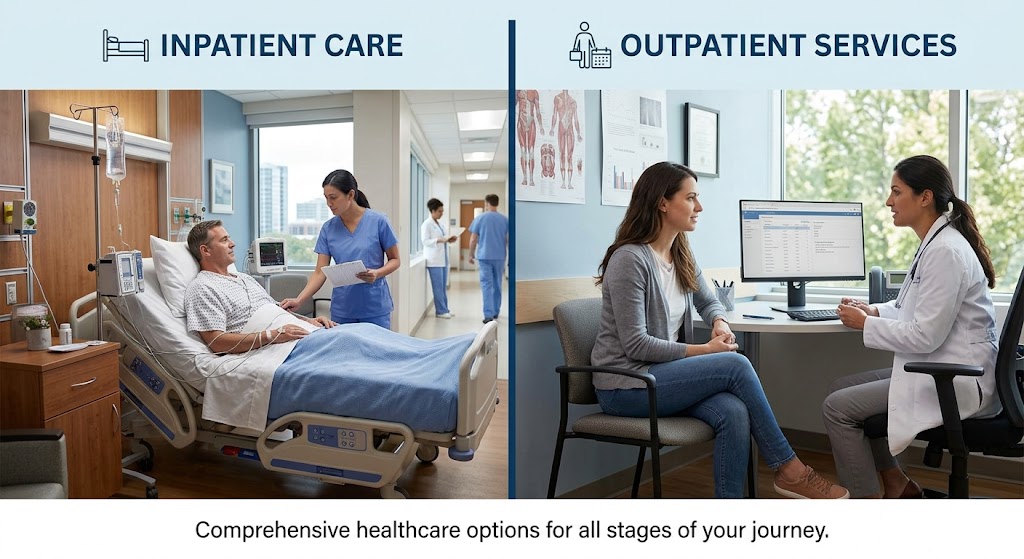
Inpatient programs provide structured, intensive care for those needing close monitoring. Outpatient programs offer flexibility while still providing counseling, therapy, and medical supervision.

Mental Health and Addiction Therapy

Integrated therapy addresses both the substance use disorder and the underlying mental health condition. Cognitive-behavioral therapy, dialectical behavior therapy, and trauma-informed counseling are common approaches that help individuals develop practical coping strategies.

Holistic and Faith-Based Support

Incorporating holistic methods such as mindfulness, exercise, nutrition, and spiritual practices supports overall well-being. Faith-based programs may offer an additional layer of guidance, encouragement, and purpose.

Individualized Recovery Plans

No two journeys are the same. Personalized treatment plans ensure that therapy, medication management, and aftercare are tailored to each individual’s unique needs and circumstances.

Overcoming the Challenges of Dual Diagnosis

Recovering from dual diagnosis can be challenging, but with the right support, it is possible. Individuals benefit from a compassionate, client-centered approach that emphasizes understanding, patience, and empowerment. Family support, community resources, and professional guidance are all critical to achieving long-term recovery.

Taking the Next Step Toward Recovery

If you or a loved one is struggling with both alcohol or drug abuse and a mental health condition, professional treatment can provide the guidance and tools necessary for lasting recovery. Integrated care addresses the whole person, not just the symptoms, making it more effective and sustainable.

Recovery begins with a single step: reaching out. Contact a trusted addiction treatment provider today to learn about dual diagnosis programs, discuss individualized treatment options, and start your journey toward health, stability, and hope.

Understanding Alcohol and Drug Abuse: Early Signs, Risks, and When to Seek Help

Alcohol and drug abuse is a challenge that affects millions of people and their families every year. Recognizing the early signs and understanding the risks is crucial for timely intervention and successful recovery. Many individuals struggle silently, fearing judgment or feeling uncertain about where to turn for help. This article aims to guide you through the warning signs, the potential risks, and the support options available so you or a loved one can take the first step toward lasting recovery.

What Is Alcohol and Drug Abuse

Alcohol and drug abuse occurs when the use of substances starts to interfere with daily life, relationships, work, or health. While occasional or recreational use may seem harmless, repeated misuse can lead to dependence, addiction, and serious physical and mental health consequences. Addiction is a chronic condition, but it is treatable with the right combination of professional support, therapy, and lifestyle changes.

Early Signs of Alcohol and Drug Abuse

Recognizing the early signs of substance abuse is often the first step toward recovery. Common indicators include:

Physical Signs

  • Frequent fatigue or unexplained illnesses

  • Changes in appetite or sleep patterns

  • Bloodshot eyes or unusual body odors

  • Sudden weight gain or loss

Behavioral Signs

  • Withdrawal from friends and family

  • Loss of interest in hobbies or work

  • Secretive or deceptive behavior

  • Sudden changes in personality or mood

Psychological Signs

  • Increased anxiety or depression

  • Irritability or mood swings

  • Difficulty concentrating or making decisions

  • Feeling hopeless or isolated

Early identification of these signs can prevent more severe health complications and make recovery more achievable.

Risks Associated With Alcohol and Drug Abuse

Substance abuse carries serious risks, both short-term and long-term. Physical health can be compromised with liver damage, cardiovascular problems, or neurological effects. Mental health is also affected, as substance abuse often co-occurs with anxiety, depression, or trauma. Additionally, substance abuse can strain relationships, jeopardize employment, and increase the risk of accidents or legal problems. Understanding these risks emphasizes the importance of seeking professional help promptly.

When to Seek Help

Seeking help is not a sign of weakness but a courageous and essential step toward healing. You should consider professional support if:

  • Substance use is affecting your health, work, or relationships

  • Attempts to cut back or stop have failed

  • You experience cravings or withdrawal symptoms

  • You feel overwhelmed, hopeless, or isolated

Professional addiction treatment programs provide a safe, structured environment where individuals can begin recovery under compassionate guidance.

Treatment Options and Support

Recovery from alcohol and drug abuse is highly individual. Effective treatment often combines multiple approaches to address both physical and mental health needs:

Inpatient and Outpatient Care

Inpatient care provides intensive, round-the-clock support for those with severe addiction, while outpatient programs offer flexible care for individuals balancing recovery with daily responsibilities.

Mental Health Support

Integrated mental health treatment addresses co-occurring disorders, ensuring that both addiction and underlying emotional or psychological conditions are treated simultaneously.

Holistic and Faith-Based Approaches

Many programs incorporate holistic methods, such as mindfulness, exercise, nutrition, and spiritual guidance, to support overall well-being and strengthen resilience.

Personalized Recovery Plans

Every journey is unique, and individualized treatment plans ensure that therapy, counseling, and aftercare meet the specific needs of each client.

Taking the Next Step

Recovery from alcohol and drug abuse is possible, but it starts with reaching out for help. Whether for yourself or a loved one, professional addiction treatment provides the guidance, support, and tools needed to reclaim health, relationships, and life. Compassionate experts are ready to walk with you every step of the way, helping you move from struggle to lasting recovery.

If you or someone you know is showing signs of alcohol or drug abuse, don’t wait. Contact a trusted addiction treatment provider today to explore your options and begin the journey toward a healthier, more fulfilling life.

Addiction Help at Your Fingertips: How to Choose the Right Program in a Digital World

In today’s connected world, finding addiction help is easier than ever — at least on the surface. With a few taps on your smartphone or clicks on your computer, you can access countless treatment programs, support groups, and recovery resources. But with so many options available online, how do you choose the program that’s truly right for you or your loved one? The key is knowing what to look for and how to separate credible help from empty promises.

The Rise of Digital Addiction Support

Technology has transformed how people seek help for addiction. Online directories, telehealth counseling, virtual support groups, and recovery apps have made it possible to find assistance anytime, anywhere. This is especially valuable for individuals in remote areas, those with limited transportation, or people who prefer privacy while starting their recovery journey. But while the internet offers convenience, it also presents new challenges — including the risk of encountering unlicensed services or misleading information.

What to Look for in a Treatment Program

When searching for an addiction treatment program online, focus on these key factors:

1. Accreditation and Licensing:
Always check whether the program is accredited by a recognized body (such as The Joint Commission or CARF). Licensed facilities follow strict standards for safety, ethics, and quality of care. Avoid programs that don’t clearly display their credentials.

2. Evidence-Based Practices:
Look for programs that use proven methods such as cognitive-behavioral therapy (CBT), medication-assisted treatment (MAT), motivational interviewing, or contingency management. Be cautious of places that promise quick fixes or “miracle cures.”

3. Personalized Treatment Plans:
Addiction recovery isn’t one-size-fits-all. The best programs assess your unique situation — including mental health, substance use history, and personal goals — and build a plan tailored to your needs.

4. Access to Medical and Mental Health Support:
Since addiction often co-occurs with mental health issues (like anxiety or depression), it’s important to choose a program that offers integrated care. Check whether licensed professionals, such as psychiatrists and addiction medicine specialists, are part of the team.

5. Availability of Virtual or Hybrid Options:
If in-person treatment isn’t possible or preferred, seek out programs that offer telehealth services, virtual group meetings, or a hybrid model that combines online and face-to-face care.

Tips for Making the Right Choice

  • Read reviews and testimonials, but do so critically. Genuine reviews often mention both strengths and areas for improvement.

  • Ask questions. Reputable programs will welcome your inquiries about staff qualifications, treatment approaches, costs, and insurance coverage.

  • Trust your instincts. If something feels off — such as pressure to sign up immediately or vague answers to your questions — it may be a red flag.

Final Thoughts

The digital world has put addiction help at our fingertips, but it also requires us to be careful consumers of care. By focusing on quality, evidence-based practices, and personalized support, you can find a program that provides the foundation for lasting recovery. Remember: the right help is out there — and it’s okay to take the time to choose wisely.

The Road to Sobriety: Top Resources for Addiction Treatment and Support

Addiction is a challenging and complex condition that affects millions of people worldwide. The journey to sobriety is not an easy one, but with the right resources and support systems, recovery is achievable. Whether an individual is just beginning their path to recovery or seeking long-term support, understanding available addiction treatment options is crucial. This article explores the top resources for addiction treatment and ongoing support to help individuals stay on the road to sobriety.

1. Detox Programs

Detoxification is often the first step in addiction recovery. It involves safely eliminating substances from the body under medical supervision. Detox programs can be found in hospitals, inpatient treatment centers, and specialized detox facilities. Medical professionals help manage withdrawal symptoms and ensure the individual’s safety during the process. Some detox programs provide medication-assisted treatment (MAT) to ease withdrawal effects and reduce cravings.

2. Inpatient Rehabilitation Centers

Inpatient rehab centers provide intensive, structured treatment in a controlled environment. These programs typically last from 30 to 90 days and include therapy, counseling, and medical supervision. Inpatient treatment is ideal for individuals with severe addiction or those who need a supportive setting away from triggers and temptations.

3. Outpatient Treatment Programs

For individuals who cannot commit to inpatient treatment due to work or family responsibilities, outpatient programs offer a flexible alternative. Outpatient treatment includes:

  • Partial Hospitalization Programs (PHPs): A high level of care during the day while allowing individuals to return home at night.
  • Intensive Outpatient Programs (IOPs): Several sessions per week focusing on therapy, education, and relapse prevention.
  • Standard Outpatient Therapy: Weekly counseling and support meetings tailored to individual needs.

4. Support Groups and Peer Networks

Support groups provide essential community and accountability for individuals in recovery. Some well-known support groups include:

  • Alcoholics Anonymous (AA) and Narcotics Anonymous (NA): 12-step programs that emphasize peer support, accountability, and personal growth.
  • SMART Recovery: A science-based alternative to 12-step programs, focusing on cognitive-behavioral techniques.
  • Celebrate Recovery: A faith-based support group that incorporates biblical principles into addiction recovery.

5. Therapy and Counseling

Professional therapy plays a vital role in addiction recovery. Therapy options include:

  • Cognitive-Behavioral Therapy (CBT): Helps individuals identify and change negative thought patterns contributing to addiction.
  • Motivational Interviewing (MI): Encourages individuals to find their internal motivation to stay sober.
  • Family Therapy: Addresses family dynamics and relationships affected by addiction.

6. Sober Living Homes

Sober living homes provide a transitional environment for individuals moving from rehab to independent living. These homes promote sobriety through structure, peer accountability, and support networks, helping residents maintain long-term recovery.

7. Online and Telehealth Support

With advancements in technology, online therapy, virtual meetings, and telehealth services make addiction treatment more accessible. Many organizations offer virtual counseling, online recovery meetings, and mobile apps to provide ongoing support.

Conclusion

The road to sobriety is a lifelong journey, but with the right resources, support, and commitment, lasting recovery is possible. From medical detox and therapy to support groups and sober living communities, individuals have numerous options to help them overcome addiction and build a healthier, sober life.


How to Find Lasting Recovery

Addiction is a serious condition that can have devastating impacts on the lives of those affected and their families. Fortunately, with the right addiction rehabilitation program, individuals can find the help they need in order to overcome their addiction and succeed in life. Addiction rehabilitation programs offer a variety of tools and services that can help individuals recover from alcohol, drug, gambling, or other addictive problems.

The first step in successful addiction rehabilitation is finding the right program that meets your specific needs. Many addiction rehabilitation programs vary in their approaches to treatment, and the best programs will focus on helping you understand the underlying causes of your addiction and how to address them. Programs may include individual and group therapy sessions, medication treatment when appropriate, and specialized activities like family therapy and relapse prevention.

The next step is to create a personalized plan for your addiction rehabilitation journey. This plan should include goals for recovery that are realistic and achievable, as well as steps to identify and address triggers and co-occurring mental health issues that may impede progress. It should also include a comprehensive list of resources for support, such as local self-help groups, mental health professionals, and other treatment centers.

Finding the right program is only the first step—habitual behavior must be addressed. This is where cognitive-behavioral therapy (CBT) can be a powerful tool in addiction rehabilitation. This type of therapy challenges harmful thinking patterns and encourages positive behavior changes. It may also be used to identify and replace coping strategies that may have been used to help cope with substance use or other addictive behaviors.

In addition to utilizing CBT, many addiction rehabilitation programs may also recommend additional activities such as art therapy, recreational activities, and meditation. These activities can be an important part of the healing process as they help individuals process traumatic events and gain insight into their behavior patterns. Many programs also offer occupational and vocational programs that can provide individuals with the skills they need to reintegrate into society and find meaningful work.

Another important aspect of addiction rehabilitation is learning to build strong social networks. Addiction doesn’t happen in a vacuum, and having the support of family and friends is an important part of the recovery process. Participating in support groups can be a great way to find new, healthier social connections.

Overcoming addiction isn’t easy, but with a successful and comprehensive addiction rehabilitation program, it is possible to find lasting recovery. Find a rehab center that uses evidence-based approaches like CBT, offers a variety of programs and services, and provides a supportive environment. With the right tools and commitment, you can turn your life around and achieve a successful, healthy, and sober lifestyle.

How to Find Hope and Be Resilient

Alcohol abuse is a growing concern among adults, adolescents, and even individuals with young children. It can be defined as a pattern of drinking that leads to physical, mental, or social problems. Drinking too much too quickly can lead to alcohol poisoning, as well as the risk for accidents, risky behavior, and long-term health problems. Alcohol abuse can also lead to psychological issues such as anxiety and depression, which can, in turn, worsen over time.

Alcohol abuse is a very serious problem, and it is important to recognize the signs and symptoms. If someone is drinking excessively, experiencing blackouts, and attempting to ‘cover-up’ their drinking, this may be a sign that they are engaging in alcohol abuse. Alcoholics are often isolated, and may struggle with feelings of guilt and shame regarding their drinking. Physical symptoms may include nausea, dizziness, and headaches, because alcohol is a depressant that slows down bodily functions.

The consequences of alcohol abuse can be severe and long-lasting, affecting relationships, career, and educational prospects. It can even progress into addiction, leading an individual to physical and psychological dependence. This can result in even greater health problems such as damaged organs and an increased risk for certain cancers. It is also associated with an increased risk for suicide, as it can cause people to feel overwhelmed and depressed.

Due to the potential for serious health and social problems associated with alcohol abuse, it is important to be aware of the signs and get help quickly. Therapy can be beneficial, and family and friends can be a great source of support. Medication is also available to help individuals address cravings and withdrawal symptoms, so they can focus on their recovery.

In addition, it is important to understand that alcohol abuse is not something that can be overcome on one’s own. Support networks are incredibly important, and those struggling with abuse should not be afraid to seek help. Treatment centers and Alcoholics Anonymous programs exist for this very purpose and can be beneficial for individuals, as well as their loved ones.

Alcohol abuse is a serious issue with the potential for long-term psychological and physical problems. In order to prevent the negative effects it can have, it is important to be aware of the signs and seek help. There is no shame in asking for support, as it can be the first step to a healthier and happier life.

The Difference Between Substance Use and Substance Abuse

substance use abuseSubstance use and abuse are two entirely different things. People often think they can be used interchangeably, but this is not the case. Substance use can be entirely harmless. It is a way of referring to the responsible use of a recreational or medicinal substance, such as drinking moderate amounts of alcohol. Substance abuse, on the other hand, refers to an irresponsible use of a recreational or medicinal substance, such as driving under the influence of marijuana. The differences between the two are not subjective. It is true that there is a gray area that makes it more difficult to distinguish between the two, but they are inherently different things.

Examples of substance use can range from taking a prescribed medication according to the doctor’s orders to having no more than one glass of wine per day. It essentially means that, whatever amount of a substance the experts have determined is good for a person is all that is being consumed by the person in question. According to everything we know about medical and mental health, proper quantities and dosages of the substance are being consumed.

Substance abuse, on the other hand, cannot claim this kind of responsibility. The terminology speaks for itself. An abuse of anything means it is not being handled correctly and the mistreatment is causing harm. The harm being caused by substance abuse may fall on the substance abuser or on the people in the substance abusers life, and often falls on both. The harm is due to excessive consumption of the substance to the point that it is doing physical and mental damage. A substance abuser defies scientific opinions about how much of the substance should be used and uses it recklessly, often damaging their health, relationships, reputation and finances.

Substance use is, obviously, the smarter option and substance abuse is, obviously, the worse option. Substances with powerful effects on the body and the mind are not meant to be used frivolously. They can have very serious long term consequences on those who abuse them. Anyone who uses these types of substances should always research expert opinions on how to use them and take the information seriously.

The Rehab Selection Process

rehab choices

A need has arisen to use the services of a rehabilitation program. Now what? Where do you start? Who do you contact? How do you find the right program? You may feel daunted by the task of selecting the right rehabilitation center for yourself or a loved one. Do not be afraid! There is plenty of information available to assist you in your decision making. When you are searching for the rehab center that best meets your needs, consider the following:

  • Price range. The cost of treatment is inevitably the deciding factor for some. Rehabilitation programs range in price quite a bit, all the way from government funded, low income rehabs to luxury, executive rehabs. Good quality rehabilitation can be found for every type of budget, but one must do their research. Poor quality substance abuse treatment can also be found to suit every budget.
  • Individual and group sessions. Every good treatment program will offer its clients some individual counseling as well as some group therapy. It is important to have a mix of both because they offer unique benefits to clients by learning from an expert and by learning from each other.
  • Licensed. A rehabilitation center should be licensed, credible and able to present a record of successful cases to its would be clients. When you are considering potential rehab centers, remember to ask for credentials!
  • Relevant to your needs. The rehab center you choose should be able to address your individual problems. Everyone comes from unique backgrounds and the reasons for your substance abuse are deeply rooted. A professional rehabilitation center will employ staff who have many areas of specialty and emphasis, including anger and stress management, boundary setting and co-occurring disorders.
  • Atmosphere, treatment style and recreation. The rehab you attend should appeal to you. Does the atmosphere you will be surrounded in make you feel safe and welcome? Does the treatment style and the approaches the staff takes make sense to you? Do you find the recreational activities they offer enjoyable? The answer should be yes to all of these questions.

Why People Abuse Substances

substance abuse

It is a well known fact that substance abuse is a universal trend. People of all nations, ethnicity and demographics have been found to overuse pleasurable substances. Whatever is considered a healthy amount of use by experts, people are known to multiply it to an unreasonable extent and overindulge in the substance even to the point of putting themselves and others in danger. In observing these behaviors, it seems that it would be obvious to everyone not to engage in them. Then why is substance abuse such a common problem? The reasons are varied.

Substance abuse can be a psychological problem. A person may over use substances such as drugs and alcohol to numb a mental disorder, such as anxiety or depression, or a past trauma, or stress and anger management issues. Indulging in substances allow people to escape temporarily from reality by altering their perception, making them a very popular and desirable way of coping. If this practice is sporadic and reserved for rare occasions, it is generally harmless. But if someone truly begins to depend on a substance in order to cope with life, chances are they are making a substance abuse problem out of a psychological problem.

Substance abuse can also be an environmental problem, meaning the substance abuser was heavily influenced by one person or multiple people who were also substance abusers. This is a very common cause of a substance abuse problem. People from everywhere emulate what they see their elders doing and very often grow up to do the same things. Substance abuse is frequently a learned behavior.

And lastly, substance abuse can be attributed to some people’s biologies. People are diagnosed with conditions of mysterious origins – chronic pain conditions, fibromyalgia, autoimmune disorders – with symptoms that are not always manageable. People will often try to manage the symptoms of their conditions on their own, by turning to illicit or recreational drugs and alcohol. Or, they will begin to abuse their prescription medications and take them in excess. Substances can provide people with enjoyment, relaxation and relief, but when they are used to excess and begin to cause new problems, they are a substance abuse issue.

Connecting Drug Users to Addiction Treatment Programs

drug addictionIn 2007, the National Institute of Drug Abuse (NIDA) conducted a survey in the United States to learn what percentage of the population required drug abuse treatment as compared to what percentage was actually receiving it. The results were shocking. It was learned that 23.2 million people living in the United States who were twelve or older required treatment for drug abuse from a substance abuse treatment center, but only 2.4 million were receiving it. This indicates that over 8.4 percent of the United States population is foregoing necessary medical and mental health care, and that substance abuse treatment programs are being underutilized.

While popular opinion of drug addiction as a social disease is changing to allow for more recent neurological and genetic studies on addiction, these statistics reveal that people are still not being connected to necessary drug addiction programs, for unknown reasons. Medical and mental health professionals consider drug addiction to be a multi-faceted illness that has many psychological and biochemical contributors. Studies reflect that drug addiction has a major affect on the brain’s neural network, as the information carried by neurotransmitters may tell the body it needs an excessive amount of a particular rewarding substance. This chemical rewiring of the brain can make sobriety an overwhelming task to the drug addict without professional intervention. Connecting drug addicts to appropriate treatment can mean the difference between functional and disfunctional living, health and illness, and in extreme cases, life and death.

Two broad categories of drug abuse treatment programs are available to addicts: residential inpatient programs and non-residential outpatient programs. Inpatient rehabilitation programs house the drug addict for a minimum of 28 days while they undergo detoxification and addiction counseling. Addiction inpatient programs are generally more intensive, as the recovering addict’s schedule and living arrangement are customized to their recovery plan. Outpatient programs do not house the drug addict, but instead arrange addiction counselling appointments, group therapy sessions, addiction resources and sobriety sponsorship for them. Understanding the availability of different types of drug addiction treatments is the first step in bridging the disconnect between drug addicts and the addiction treatment resources they need.

The next step is extending an invite for treatment to addicts everywhere by supplying information to shelters, such as the Vancouver homeless shelter, mission organizations such as the Kelowna mission and soup kitchen across North America.

Read Further at kelownamission.com