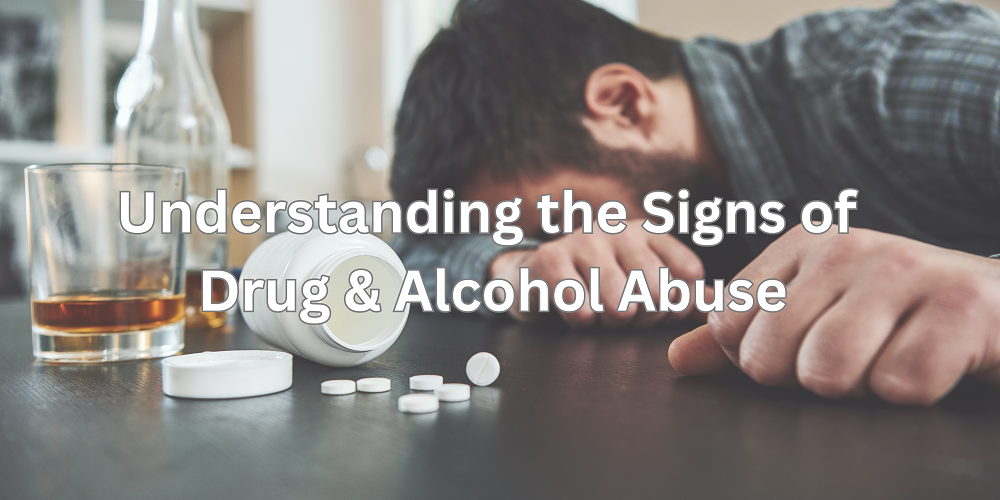
 Alcohol and drug abuse is a complex condition that affects not only physical health but also mental, emotional, and social well-being. Breaking free from this cycle requires more than short-term abstinence; it requires a comprehensive, personalized approach to recovery. Understanding the strategies that support long-term sobriety can empower individuals to reclaim their health, rebuild relationships, and create a fulfilling life beyond addiction.
Understanding the Cycle of Addiction
Addiction often develops gradually, with substance use initially providing temporary relief from stress, emotional pain, or mental health challenges. Over time, tolerance increases, dependence develops, and the consequences of use become more severe. This cycle can include:
-
Cravings and compulsive substance use
-
Escalating negative consequences in work, relationships, or health
-
Episodes of relapse following attempts to quit
Recognizing these patterns is the first step toward intervention and recovery. By identifying triggers, understanding underlying causes, and seeking professional support, individuals can begin to break this cycle.
Strategies for Sustainable Recovery
Long-term recovery is most successful when multiple dimensions of health are addressed simultaneously. Key strategies include:
Professional Treatment Programs
Enrolling in an inpatient or outpatient addiction treatment program provides structure, accountability, and expert guidance. Inpatient care is ideal for individuals needing intensive support and round-the-clock supervision, while outpatient care allows flexibility for those balancing work, family, or personal obligations.
Mental Health Support
Addiction often co-occurs with mental health conditions such as depression, anxiety, or trauma. Integrated mental health treatment addresses these underlying issues while supporting sobriety. Therapy, counseling, and, when appropriate, medication management help individuals develop coping strategies that reduce relapse risk.
Holistic and Faith-Based Approaches
Holistic practices, including mindfulness, meditation, exercise, and nutrition, support overall well-being and resilience. Faith-based programs may provide additional encouragement, spiritual guidance, and community connection, fostering purpose and meaning in recovery.
Personalized Recovery Plans
Individualized care plans are essential for sustainable recovery. Tailoring therapy, medical support, and aftercare to a person’s unique needs ensures that every aspect of their physical, emotional, and social well-being is addressed. Personalized approaches empower individuals to set realistic goals, track progress, and celebrate milestones along the recovery journey.
Building Healthy Habits to Prevent Relapse
Long-term recovery is reinforced by daily practices and lifestyle changes that promote health and stability:
-
Establishing a consistent daily routine
-
Engaging in regular physical activity and healthy nutrition
-
Practicing stress management techniques, such as mindfulness or deep breathing
-
Maintaining supportive relationships and attending peer support meetings
-
Avoiding high-risk situations and identifying personal triggers
These strategies help individuals develop resilience, maintain accountability, and strengthen the skills necessary to sustain sobriety.
Encouraging a Supportive Environment
Family, friends, and community play a critical role in supporting long-term recovery. Encouragement, understanding, and consistent boundaries create an environment where individuals feel safe, valued, and motivated to maintain their recovery. Participation in family therapy or support groups enhances communication, reduces conflict, and fosters healing for everyone involved.
Taking the First Step Toward Lasting Recovery
Breaking the cycle of alcohol and drug abuse is possible with professional guidance, holistic care, and personalized support. Recovery is not a one-size-fits-all process; it requires attention to physical, mental, and emotional well-being, as well as strong community and family involvement. By embracing comprehensive strategies, individuals can move beyond addiction and create a fulfilling, healthy life.
If you or a loved one is struggling with alcohol or drug abuse, reaching out to a trusted addiction treatment provider is the first step toward transformation. Expert care, compassionate support, and individualized treatment plans can help guide the journey to long-term recovery and lasting wellness.