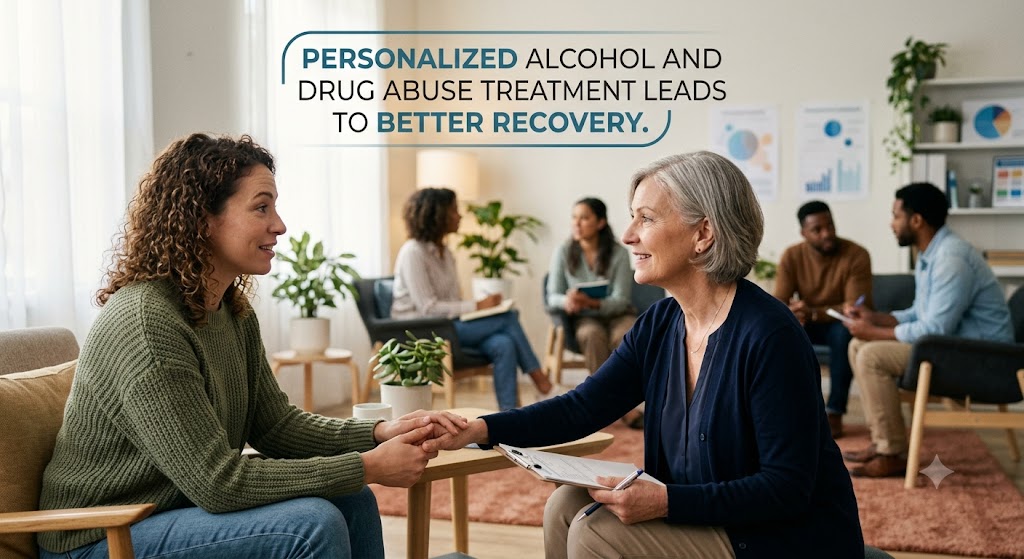
 No two people experience addiction in exactly the same way. While alcohol and drug abuse may affect millions of individuals each year, every recovery journey is shaped by unique life experiences, emotional challenges, physical health, family dynamics, and personal goals. That is why personalized treatment has become one of the most effective approaches to lasting recovery. Rather than relying on a one size fits all program, individualized care creates a treatment plan that addresses the whole person. By combining addiction recovery services, mental health treatment, inpatient and outpatient care, and holistic and faith based support, personalized treatment gives individuals the best opportunity to heal and build a healthier future.
Why Personalized Care Matters in Addiction Recovery
Addiction develops for many different reasons. Some people begin using alcohol or drugs to cope with stress or trauma, while others struggle with untreated anxiety, depression, chronic pain, or family history. Because every situation is different, recovery should be equally unique.
Individualized care recognizes that lasting recovery requires more than simply stopping substance use. It focuses on understanding why addiction developed and what each person needs to maintain long term wellness.
When treatment is tailored to individual needs, people often feel more engaged, supported, and motivated throughout the recovery process.
The First Step: A Comprehensive Assessment
Effective personalized treatment begins with a thorough evaluation.
During the assessment, experienced professionals consider several important factors, including:
- Substance use history
- Physical health
- Mental health conditions
- Previous treatment experiences
- Family relationships
- Employment or educational responsibilities
- Personal recovery goals
- Spiritual preferences
This information allows the treatment team to create a care plan that reflects each individual’s circumstances instead of following a standard approach.
Treating the Whole Person
Recovery is strongest when every aspect of a person’s well being is addressed.
Physical Health
Alcohol and drug abuse often affects sleep, nutrition, energy levels, and overall physical wellness. Personalized treatment includes medical care, nutritional guidance, and wellness support that help restore physical health during recovery.
Mental Health
Many individuals living with addiction also experience anxiety, depression, trauma, post traumatic stress disorder, or other mental health conditions. Treating these concerns alongside addiction improves long term outcomes and reduces the risk of relapse.
Emotional Wellness
Individual counseling helps people understand emotional triggers, develop healthy coping skills, and build confidence as they move through recovery.
Choosing the Right Level of Care
Personalized treatment also means selecting the level of care that best fits an individual’s current needs.
Inpatient Treatment
Inpatient care provides a structured environment with around the clock support. It is often recommended for individuals experiencing severe addiction, repeated relapse, or complex mental health challenges.
Within an inpatient setting, individuals receive medical supervision, therapy, educational programs, relapse prevention planning, and holistic services while focusing entirely on recovery.
Outpatient Treatment
Outpatient programs offer flexibility while providing continued counseling, therapy, and recovery support. This option allows individuals to maintain work, school, or family responsibilities while participating in treatment.
For many people, outpatient care serves as an important step after completing inpatient treatment, helping maintain progress during the transition back to everyday life.
Addressing Mental Health and Addiction Together
Substance abuse and mental health frequently influence one another. Emotional distress may contribute to substance use, while alcohol and drugs often worsen mental health symptoms over time.
Integrated Treatment Improves Outcomes
Rather than treating addiction and mental health separately, individualized care combines both into one coordinated recovery plan.
This integrated approach may include:
- Individual therapy
- Group counseling
- Trauma informed care
- Medication management when appropriate
- Stress management education
- Relapse prevention strategies
Addressing both conditions together creates a stronger foundation for lasting recovery.
The Role of Holistic Healing
Personalized recovery recognizes that healing extends beyond clinical treatment.
Supporting the Mind and Body
Holistic therapies may include mindfulness practices, meditation, nutritional counseling, fitness activities, and stress reduction techniques that promote overall wellness.
These services complement traditional therapy by helping individuals improve emotional balance and physical health.
Faith Based Support
For those who desire spiritual guidance, faith based care can become an important part of recovery. Many individuals find comfort, hope, and renewed purpose by strengthening their faith while working toward sobriety.
Personalized treatment respects each person’s beliefs and incorporates spiritual support when it aligns with their goals.
Family Involvement Strengthens Recovery
Addiction affects entire families, not just individuals.
Personalized treatment often includes family counseling and education that help loved ones better understand addiction while improving communication and rebuilding trust.
Healthy family involvement creates a stronger support system that continues long after formal treatment has ended.
Building Skills for Long Term Recovery
Recovery continues well beyond completing a treatment program.
Individualized care prepares people for long term success by helping them develop practical life skills.
Relapse Prevention Planning
Every individual has different triggers. Personalized relapse prevention plans help identify high risk situations while creating healthy strategies for managing stress, cravings, and difficult emotions.
Healthy Lifestyle Habits
Long term recovery is strengthened through consistent habits such as:
- Maintaining a regular sleep schedule
- Eating nutritious meals
- Staying physically active
- Continuing therapy
- Participating in support groups
- Building positive relationships
- Practicing mindfulness and stress management
These habits promote both emotional stability and physical wellness.
Why Personalized Recovery Inspires Hope
One of the greatest strengths of individualized treatment is that it reminds people they are more than their addiction. Every person has unique strengths, challenges, dreams, and potential.
Rather than focusing only on substance use, personalized care helps individuals rediscover confidence, repair relationships, develop new goals, and create meaningful lives built on hope instead of addiction.
Recovery becomes a process of personal transformation rather than simply overcoming a dependency.
Conclusion: Your Recovery Should Be as Unique as You Are
There is no universal path to overcoming alcohol and drug abuse because every individual enters treatment with different experiences and needs. Personalized care recognizes these differences and creates a recovery plan that addresses addiction, mental health, physical wellness, emotional healing, and spiritual growth together.
If you or someone you love is ready to begin the journey toward recovery, choosing a treatment program that offers individualized care can make a meaningful difference. Through comprehensive addiction recovery services, inpatient and outpatient treatment, holistic therapies, faith based support, and compassionate mental health care, lasting recovery is possible. The right treatment plan is not simply designed to help you stop using alcohol or drugs. It is designed to help you build a healthier, more fulfilling life for years to come.