How to Choose an Alcohol and Drug Abuse Treatment Program That Fits Your Needs

Choosing an alcohol and drug abuse treatment program is an important decision, especially when substance use has begun affecting your health, relationships, or ability to manage everyday responsibilities. With different levels of care, therapy options, and recovery approaches available, knowing where to begin can feel overwhelming. The right program should address more than substance use alone. It should consider your physical health, mental well-being, personal circumstances, and long-term recovery goals. Understanding what to look for can help you make an informed choice and find treatment that supports meaningful, lasting change.

No two people experience addiction in exactly the same way. Some need medically supervised detoxification and structured residential care, while others may benefit from outpatient counseling and ongoing recovery support. Additionally, people dealing with anxiety, depression, trauma, or other mental health concerns may need treatment that addresses these conditions alongside substance use.

Rather than choosing a program based only on location, cost, or convenience, take time to understand the services it provides and whether they match your needs.

Understand Your Alcohol and Drug Abuse Treatment Needs

Before comparing treatment programs, consider how substance use affects your life. An honest assessment can help you identify the type of support you may need and prepare you for a conversation with a healthcare professional.

Consider the Severity of Substance Use

Think about how often you use alcohol or drugs, how much you typically consume, and whether you have difficulty cutting back. Consider whether substance use has affected your work, family responsibilities, finances, physical health, or relationships.

You may also want to consider whether you experience cravings or withdrawal symptoms when you stop using substances.

These details matter because treatment recommendations depend partly on the severity of substance use and the risks associated with withdrawal. For example, alcohol withdrawal can cause serious medical complications, including seizures and severe confusion. If physical dependence is possible, seek medical advice before stopping suddenly.

A qualified professional can assess your situation and recommend an appropriate level of care.

Identify Your Mental Health Concerns

Addiction and mental health conditions frequently occur together. Someone experiencing anxiety may use alcohol to feel more relaxed, while another person dealing with depression may turn to drugs to escape difficult emotions.

However, substance use can also worsen existing mental health symptoms or contribute to new psychological difficulties.

When choosing an alcohol and drug abuse treatment program, ask whether it provides mental health assessments and appropriate psychological care. Addressing both conditions can help create a more complete recovery plan.

Compare Inpatient and Outpatient Treatment Programs

One of the most important decisions involves choosing the appropriate level of care. Inpatient and outpatient treatment offer different types of support, and neither option is automatically right for everyone.

Inpatient Treatment for Structured, Intensive Support

Inpatient or residential treatment provides a structured environment where individuals can focus on recovery with ongoing professional support.

Depending on the program, services may include:

  • Individual counseling and group therapy.
  • Mental health assessments and treatment.
  • Recovery education and relapse prevention.
  • Medical services and coordination of care.
  • Support with daily routines and healthy habits.
  • Family involvement when appropriate.

Inpatient treatment may be suitable for people who need more structure, have significant medical or psychological needs, or face an environment that makes recovery difficult.

It can also provide distance from familiar triggers and opportunities to focus on developing new coping strategies.

Keep in mind that detoxification and rehabilitation serve different purposes. Detoxification addresses withdrawal and immediate physical risks, while ongoing treatment works on the behavioral, emotional, and psychological factors associated with addiction.

Outpatient Treatment for Flexible Recovery Support

Outpatient treatment allows individuals to attend scheduled therapy and recovery services while continuing to live at home. This option may work well for people whose medical needs, living circumstances, and support systems make treatment outside a residential setting appropriate.

Outpatient services may include individual therapy, group counseling, mental health treatment, recovery education, and relapse prevention planning.

Some programs offer intensive outpatient services with more frequent sessions for individuals who need additional structure.

One advantage of outpatient care is that individuals can practice recovery skills in their everyday environments. However, outpatient treatment may not be appropriate when someone faces serious withdrawal risks or requires continuous supervision.

A professional assessment can help determine which level of care is safe and suitable.

Look for Individualized Addiction Treatment

A quality alcohol and drug abuse treatment program should recognize that recovery needs vary from person to person. Treatment should not follow a rigid formula that ignores individual circumstances.

Ask Whether Treatment Plans Are Personalized

An individualized treatment plan considers factors such as:

  • The substances involved and the history of use.
  • Physical health and medical needs.
  • Mental health symptoms and previous diagnoses.
  • Family relationships and available support.
  • Personal responsibilities and living arrangements.
  • Previous treatment experiences.
  • Individual goals, values, and preferences.

For example, someone recovering from alcohol dependence while managing anxiety may need a different combination of services than someone dealing with stimulant use and unresolved trauma.

Personalized care allows treatment professionals to select appropriate interventions and adjust the plan as needs change.

Consider the Types of Therapy Available

Therapy is an important part of addiction recovery because it helps individuals understand the thoughts, emotions, and behaviors connected to substance use.

Depending on the program, available approaches may include:

Cognitive behavioral therapy (CBT): Helps individuals identify unhelpful thinking patterns and develop healthier responses to triggers and stressful situations.

Group therapy: Provides opportunities to share experiences, learn from others, and develop supportive connections.

Family counseling: Helps address communication difficulties, rebuild trust, and establish healthier relationship boundaries.

Trauma-informed care: Recognizes how traumatic experiences may influence substance use and emotional well-being.

Relapse prevention counseling: Helps individuals identify warning signs, prepare for high-risk situations, and create practical strategies for maintaining recovery.

Ask treatment providers which therapies they offer and how they determine whether an approach is appropriate for each individual.

Make Sure Mental Health Treatment Is Available

Treating addiction without considering mental health can leave important recovery needs unresolved. This is especially relevant for individuals experiencing depression, anxiety, post-traumatic stress symptoms, or other psychological concerns.

Understand Co-Occurring Disorders

A co-occurring disorder refers to the presence of both a substance use disorder and a mental health condition.

These conditions may influence one another in several ways. For example, someone may use alcohol to manage anxiety, while repeated drinking may worsen sleep and increase feelings of nervousness. Another person may experience depression that becomes more difficult to manage during periods of substance use.

An appropriate treatment program should be able to assess these concerns and coordinate care.

Ask About Qualified Mental Health Professionals

When comparing programs, ask whether mental health services are provided by qualified professionals. Find out how assessments are conducted, whether counseling is available, and how medication management is handled when needed.

It is also useful to ask how the program responds if mental health symptoms change during treatment.

Integrated care can help individuals work on addiction and psychological well-being as connected parts of recovery.

Evaluate Holistic and Faith-Based Treatment Options

Some people want their recovery plan to address physical, emotional, and spiritual well-being alongside clinical treatment. Holistic and faith-based services may provide additional support when they match an individual’s preferences.

Explore Holistic Recovery Services

Holistic approaches focus on overall well-being and may complement evidence-based addiction treatment.

Depending on the program, these services might include:

  • Mindfulness and relaxation exercises.
  • Yoga or other appropriate physical activities.
  • Nutrition education.
  • Healthy sleep routines.
  • Creative activities.
  • Stress management practices.

These services can encourage healthier habits and help individuals build routines that support recovery. However, they should complement, rather than replace, appropriate medical and psychological treatment.

Consider Whether Faith-Based Support Fits Your Values

For individuals who draw strength from spiritual beliefs, faith-based services may provide a meaningful source of encouragement and connection.

Programs may offer prayer, spiritual counseling, faith-centered discussions, or opportunities to participate in a religious community.

Ask whether these services are optional and how they fit into the broader treatment plan. A suitable program should respect personal beliefs and avoid making spiritual participation a substitute for necessary clinical care.

Check the Program’s Credentials, Staff, and Treatment Standards

Before enrolling in an addiction treatment program, take time to understand who provides care and what standards the organization follows.

Verify Licensing and Accreditation

Requirements vary depending on location and the type of services offered. Ask whether the facility is properly licensed and whether it holds relevant accreditation.

Accreditation from a recognized organization may indicate that a program has undergone an external review of its practices and standards. However, accreditation alone does not guarantee that a particular program is the right fit.

You should also ask about staff qualifications, professional supervision, and the procedures used to evaluate treatment progress.

Understand the Services and Costs

Treatment costs can vary significantly depending on the level of care, length of treatment, staffing, and services included.

Before making a decision, request clear information about:

  • Program fees and additional charges.
  • Insurance coverage or payment options.
  • Treatment schedules and expected duration.
  • Medical and mental health services.
  • Family involvement and communication policies.
  • Discharge planning and continuing support.

A trustworthy provider should be willing to explain its services and answer reasonable questions before you commit.

Ask About Aftercare and Long-Term Recovery Support

Completing an inpatient or outpatient program is an important milestone, but recovery continues beyond formal treatment. Individuals may still face stress, cravings, relationship challenges, and situations that increase the risk of returning to substance use.

For this reason, continuing support should be part of your treatment decision.

Look for a Clear Aftercare Plan

A useful aftercare plan may include:

  • Ongoing individual counseling.
  • Peer recovery support groups.
  • Continued mental health treatment.
  • Relapse prevention strategies.
  • Family support services.
  • Referrals to community resources.

The plan should reflect your needs and provide guidance for maintaining progress after the initial treatment period.

Understand How Relapse Prevention Works

Relapse prevention involves identifying situations, emotions, and behaviors that may increase the risk of returning to substance use.

For example, financial stress, relationship conflict, social pressure, isolation, and untreated anxiety may create challenges during recovery.

A treatment program should help individuals recognize their personal warning signs and develop practical responses. If a setback occurs, it should be treated as a reason to reassess support and treatment needs, not as proof that recovery is impossible.

Questions to Ask Before Choosing an Alcohol and Drug Abuse Treatment Program

Speaking directly with treatment providers can help you compare services and determine whether a program is appropriate.

Consider asking:

  1. What levels of care do you offer, including inpatient and outpatient treatment?
  2. Do you provide medical assessments and coordinate supervised detoxification when needed?
  3. How do you evaluate mental health concerns alongside addiction?
  4. Are treatment plans individualized?
  5. What types of counseling and therapy are available?
  6. Do you offer holistic or optional faith-based services?
  7. What qualifications do your clinical staff hold?
  8. What are the costs, payment options, and insurance arrangements?
  9. How do you involve family members when appropriate?
  10. What continuing care and relapse prevention services are available?

The answers can help you understand what to expect and whether the program aligns with your needs, values, and recovery goals.

Choose Treatment That Supports Your Long-Term Well-Being

Finding the right alcohol and drug abuse treatment program involves more than selecting a facility or deciding between inpatient and outpatient care. It means finding professional support that considers your physical health, mental health, personal circumstances, and goals for the future.

Look for a program that offers qualified clinical care, individualized treatment planning, appropriate mental health services, and a clear approach to continuing recovery support. Holistic and faith-based services may also be valuable additions when they reflect your preferences and complement evidence-based treatment.

Most importantly, do not wait until substance use causes a crisis before asking for help. If alcohol or drugs are affecting your health, relationships, or everyday responsibilities, speak with a qualified treatment professional about your options. The right guidance can help you take an informed first step toward recovery and begin building a healthier, more stable life.

The Connection Between Alcohol and Drug Abuse and Anxiety: Finding Healthier Ways to Cope

Anxiety can make everyday life feel difficult to manage, especially when worry, tension, racing thoughts, or panic begin interfering with sleep, relationships, and daily responsibilities. For some people, alcohol or drugs may seem like an easy way to quiet those feelings. A drink after a stressful day or a substance used to escape overwhelming thoughts can provide temporary relief. However, relying on alcohol or drugs to manage anxiety can create a cycle that makes both problems harder to control. Understanding the connection between alcohol and drug abuse and anxiety is an important step toward finding healthier coping strategies and getting the right treatment.

Substance use and anxiety frequently occur together. Sometimes anxiety contributes to the development of problematic substance use. In other situations, repeated alcohol or drug use worsens existing anxiety or creates new emotional and physical symptoms. Regardless of where the cycle begins, effective recovery should address both concerns rather than focusing on substance use alone.

Understanding the Connection Between Anxiety and Substance Use

Anxiety is a natural response to stress or perceived danger. However, when anxious feelings become persistent, intense, or disruptive, they may indicate an anxiety disorder or another mental health concern.

People experiencing ongoing anxiety may look for ways to feel calmer. Alcohol and certain drugs can temporarily change mood, reduce inhibitions, or create a sense of relaxation. Unfortunately, these effects do not resolve the underlying causes of anxiety.

Why People Turn to Alcohol or Drugs to Cope With Anxiety

There are several reasons someone might begin using substances to manage anxiety.

  • Temporary emotional relief: Alcohol may create a short-lived feeling of relaxation, making stressful situations seem easier to handle.
  • Social confidence: Some individuals use alcohol or drugs because they feel uncomfortable in social settings or fear being judged.
  • Sleep difficulties: People experiencing anxiety may turn to substances in an attempt to fall asleep or quiet racing thoughts.
  • Emotional avoidance: Drugs or alcohol may provide a temporary escape from painful memories, difficult experiences, or persistent worries.
  • Stress management: Someone dealing with work pressure, family conflict, or financial concerns may begin relying on substances to unwind.

Although these behaviors may seem helpful initially, they can reinforce the belief that a person cannot manage anxiety without using substances. Over time, this reliance can contribute to dependence and make everyday stress feel increasingly difficult to handle.

How Alcohol and Drug Abuse Can Make Anxiety Worse

One of the most challenging aspects of substance use is that the temporary relief often comes with unwanted effects. As the substance leaves the body, anxiety may return or become more intense.

Alcohol Can Increase Anxiety Symptoms

Alcohol affects the central nervous system and can initially create feelings of relaxation or reduced inhibition. However, as its effects wear off, some people experience increased nervousness, irritability, restlessness, and disrupted sleep.

Repeated drinking can also interfere with the body’s natural stress responses. A person may begin drinking more frequently to manage uncomfortable feelings, only to experience additional anxiety between drinking episodes.

Heavy or prolonged alcohol use can also lead to withdrawal symptoms when someone reduces or stops drinking. Anxiety, sweating, shaking, nausea, and sleep disturbances may occur. Severe alcohol withdrawal can be life-threatening, so anyone who may be physically dependent on alcohol should seek medical guidance before stopping suddenly.

Drugs Can Affect Mood and Emotional Stability

Different substances affect the brain and nervous system in different ways. Stimulants, for example, can increase alertness and physical arousal. In some individuals, they may contribute to racing thoughts, restlessness, panic, or intense anxiety.

Other drugs may temporarily reduce tension but lead to emotional difficulties as their effects wear off. Repeated use can also affect sleep, concentration, mood regulation, and the ability to manage stress.

The relationship between substance use and anxiety depends on several factors, including the substance involved, frequency of use, individual health, and any existing mental health conditions.

The Cycle of Anxiety, Substance Use, and Withdrawal

Anxiety and addiction can reinforce each other through a repeating pattern:

  1. A person experiences stress, worry, or emotional discomfort.
  2. They use alcohol or drugs to feel calmer or temporarily escape those feelings.
  3. The substance’s effects wear off, and anxiety or other uncomfortable symptoms return.
  4. The person begins relying on substances more frequently to manage those feelings.
  5. Cravings, tolerance, or withdrawal symptoms make reducing use more difficult.

Breaking this cycle often requires more than stopping substance use. Individuals may also need professional help understanding their anxiety, identifying emotional triggers, and developing healthier ways to respond to stress.

Recognizing When Anxiety and Substance Use Need Professional Attention

It is not always easy to recognize when anxiety and alcohol or drug use have become serious concerns. Some individuals hide their substance use because they feel embarrassed, while others may not realize how strongly their anxiety influences their decisions.

Certain warning signs suggest that professional support may be beneficial.

Emotional and Behavioral Warning Signs

Consider seeking an assessment if you notice patterns such as:

  • Frequently using alcohol or drugs to feel less anxious.
  • Feeling unable to relax or socialize without substances.
  • Experiencing persistent worry, panic, or irritability.
  • Avoiding responsibilities or social activities because of anxiety.
  • Having difficulty controlling substance use despite negative consequences.
  • Feeling increasingly isolated or emotionally overwhelmed.
  • Experiencing cravings or withdrawal symptoms when trying to reduce use.

These signs do not automatically establish a diagnosis. However, they may indicate that anxiety and substance use deserve attention from a qualified healthcare professional.

Physical Symptoms That Should Not Be Ignored

Anxiety can cause physical symptoms such as a racing heartbeat, muscle tension, sweating, headaches, stomach discomfort, and difficulty sleeping. Alcohol and drugs may contribute to similar symptoms or make them more difficult to manage.

Because substance-related symptoms can overlap with medical and mental health conditions, professional assessment is important. Severe symptoms, including seizures, hallucinations, severe confusion, chest pain, or difficulty breathing, require urgent medical attention.

Why Treating Anxiety and Addiction Together Matters

When anxiety and substance use occur together, addressing only one concern may leave important recovery needs unresolved.

For example, a person may stop drinking but continue experiencing intense anxiety. Without appropriate support, they may feel tempted to return to alcohol as a familiar coping method. Similarly, treating anxiety without considering ongoing substance use may make it harder to understand symptoms or choose appropriate interventions.

Integrated treatment considers both conditions and develops a coordinated plan based on the individual’s needs.

Individual Counseling and Evidence-Based Therapy

Individual counseling provides an opportunity to explore the experiences and emotional patterns connected to anxiety and substance use.

Cognitive behavioral therapy (CBT) is one approach that can help people recognize unhelpful thought patterns and develop more constructive responses. For example, someone who automatically reaches for alcohol when feeling overwhelmed can learn to identify that response and practice alternative coping strategies.

Therapy may also address:

  • Fear of social situations.
  • Negative self-talk and persistent worry.
  • Stress related to work, family, or relationships.
  • Trauma-related symptoms.
  • Emotional triggers associated with substance use.
  • Cravings and relapse warning signs.

Treatment should be adapted to the person’s circumstances, mental health needs, and recovery goals.

Medication and Professional Mental Health Care

In some cases, healthcare professionals may recommend medication as part of anxiety treatment. The appropriate option depends on the individual’s symptoms, medical history, substance use, and other medications.

It is important not to self-medicate or combine alcohol, recreational drugs, and prescription medications without medical guidance. Some combinations can be dangerous.

A qualified clinician can evaluate symptoms, discuss appropriate treatment options, and monitor progress over time.

Inpatient and Outpatient Treatment for Co-Occurring Conditions

The right level of addiction treatment depends on several factors, including the severity of substance use, withdrawal risks, mental health symptoms, and the person’s home environment.

Inpatient Treatment for Structured Support

Inpatient or residential treatment offers a structured setting for individuals who need more intensive support. It may be appropriate for people with significant substance use concerns, complicated mental health needs, or circumstances that make recovery difficult at home.

Depending on the program, services may include individual therapy, group counseling, mental health support, recovery education, and treatment planning.

When physical dependence is present, medically supervised detoxification may be necessary before or alongside ongoing rehabilitation. Detoxification focuses on managing withdrawal, while continued treatment addresses the emotional, behavioral, and psychological factors associated with addiction.

Outpatient Treatment for Continued Daily Responsibilities

Outpatient treatment allows individuals to receive professional care while continuing to live at home. This option may be suitable for people whose medical and psychological needs can be safely managed outside a residential setting.

Services may include scheduled counseling sessions, group therapy, mental health treatment, and relapse prevention planning.

Outpatient programs can also help individuals apply coping skills in everyday situations. However, people experiencing dangerous withdrawal symptoms or serious mental health concerns may require a higher level of care.

A professional assessment can help determine which treatment setting is most appropriate.

Healthier Ways to Cope With Anxiety During Recovery

Professional treatment provides essential support, but everyday habits can also help individuals manage anxiety and maintain recovery.

The goal is not to eliminate every stressful feeling. Instead, it is to develop practical ways to respond to discomfort without relying on alcohol or drugs.

Practice Simple Stress Management Techniques

Small, consistent actions can help reduce everyday tension. Consider trying:

  • Slow breathing: Breathe in gently, then extend your exhale to encourage relaxation.
  • Regular physical activity: Walking, stretching, swimming, or other enjoyable movement can support general well-being.
  • Consistent sleep habits: Maintain a regular bedtime and create a relaxing evening routine.
  • Mindfulness: Pay attention to the present moment rather than becoming caught up in worries about the future.
  • Structured daily routines: Plan meals, responsibilities, rest, and enjoyable activities to create a greater sense of stability.

These techniques can complement professional care, although they are not substitutes for treatment when anxiety or substance use is severe.

Strengthen Supportive Relationships

Anxiety and addiction can both contribute to isolation. Some people withdraw from friends and family because they feel ashamed or worry that others will judge them.

Reconnecting with supportive people can help reduce that isolation. Consider speaking with someone you trust, attending a recovery support group, or working with a counselor who understands co-occurring conditions.

Healthy relationships can provide encouragement, accountability, and practical support during difficult periods.

Explore Holistic and Faith-Based Support

Some individuals find additional value in holistic practices that support physical, emotional, and spiritual well-being. Depending on personal preferences, these may include meditation, yoga, creative activities, time outdoors, or structured wellness routines.

Faith-based support may also be meaningful for people who draw strength from spiritual beliefs or religious communities. Prayer, spiritual counseling, and connection with a faith community can provide a sense of purpose and belonging.

These approaches can complement evidence-based mental health and addiction treatment. They should be chosen according to individual preferences and should not replace necessary clinical care.

Building a Recovery Plan That Addresses Your Needs

Long-term recovery is not simply about avoiding alcohol or drugs. It also involves learning how to manage emotions, respond to stress, maintain healthy relationships, and recognize situations that may increase the risk of returning to substance use.

An individualized recovery plan can help bring these goals together.

Such a plan may include regular counseling, mental health treatment, medical follow-up, recovery support groups, healthy daily routines, and strategies for managing cravings.

It should also identify early warning signs. For example, increasing isolation, worsening sleep, persistent anxiety, or renewed thoughts about using substances may signal a need for additional support.

Recovery plans can change as circumstances and needs evolve. Regular communication with treatment professionals helps ensure that care remains appropriate and useful.

Finding Healthier Ways to Cope Starts With Getting Help

Anxiety and alcohol or drug abuse can create a difficult cycle. Substances may seem to offer temporary relief, but repeated use can worsen emotional distress, disrupt daily life, and make anxiety harder to manage. The more someone relies on alcohol or drugs to cope, the more important it becomes to address the underlying mental health concerns.

The good news is that individuals do not have to face these challenges alone. Professional addiction treatment, integrated mental health care, individualized counseling, and appropriate inpatient or outpatient services can help people develop healthier coping skills and work toward lasting recovery.

If anxiety is influencing your substance use, or alcohol and drugs are making your emotional well-being worse, consider speaking with a qualified treatment professional. An honest conversation can help clarify your needs and identify a suitable path forward. With the right support, it is possible to build healthier routines, regain confidence, and create a life that does not depend on substances to manage difficult feelings.

Why Alcohol and Drug Abuse Can Become Harder to Control Over Time, and How Treatment Helps

Alcohol and drug abuse can gradually become harder to control, even when someone genuinely wants to cut back or stop. What begins as an occasional way to relax, manage stress, or escape difficult emotions may develop into a pattern that affects physical health, mental well-being, relationships, and everyday responsibilities. Understanding why substance use becomes more difficult to manage is an important step toward finding effective treatment. With appropriate professional support, individuals can address the factors driving their substance use, develop healthier coping strategies, and work toward lasting recovery.


One of the biggest misconceptions about addiction is that a person should be able to stop simply by trying harder. In reality, repeated substance use can affect the brain’s reward system, influence decision-making, and reinforce habits that become increasingly difficult to break. Recognizing these changes can help individuals and their loved ones understand when alcohol and drug abuse treatment may be necessary.

Why Alcohol and Drug Abuse Can Become Harder to Control

Substance use often develops gradually. A person might begin drinking after a stressful workday or using drugs to cope with anxiety. If these behaviors repeatedly provide temporary relief, the brain can begin associating substances with comfort, pleasure, or escape.

Over time, these associations may contribute to stronger cravings and more frequent use. As a result, a person may continue using alcohol or drugs despite recognizing the negative consequences.

1. The Brain Adapts to Repeated Substance Use

Alcohol and many drugs affect the brain systems involved in pleasure, motivation, learning, and self-control. Repeated exposure can change how these systems respond to substances and everyday rewards.

For some people, this process contributes to tolerance. They may need more of a substance to experience effects they previously achieved with smaller amounts. Others may find that activities they once enjoyed feel less satisfying compared with substance use.

These changes can make cutting back more challenging. However, they do not mean recovery is impossible. Evidence-based addiction treatment can help individuals understand these patterns, manage cravings, and develop healthier behaviors over time.

2. Substance Use Becomes a Way to Manage Stress

Many people first turn to alcohol or drugs because they want relief from emotional pressure. A drink may seem to take the edge off a difficult day, while a drug may temporarily reduce feelings of anxiety or sadness.

Unfortunately, temporary relief can reinforce repeated use. When the effects wear off, the original stress may remain. In some cases, substance use can also worsen sleep problems, anxiety, depression, or irritability.

This creates a cycle in which a person uses substances to manage feelings that substance use itself may be making harder to handle.

Professional counseling can help individuals identify their emotional triggers and learn healthier responses. Instead of relying on alcohol or drugs, they can develop practical skills for managing stress, processing difficult experiences, and responding to uncomfortable emotions.

3. Cravings and Familiar Routines Reinforce the Pattern

Substance use often becomes connected to specific situations, people, places, or times of day. Someone might feel an urge to drink after work, while another person may associate drug use with certain social settings.

Eventually, these cues can trigger cravings even when the individual intends to avoid substance use.

Recognizing these patterns is an important part of recovery. Treatment can help individuals identify high-risk situations, create alternative routines, and practice responding to cravings without acting on them.

For example, replacing an evening drinking routine with a scheduled walk, a support meeting, or a relaxing activity may help create a different pattern. These changes can be especially useful when combined with professional guidance and ongoing support.

Warning Signs That Alcohol or Drug Use Is Becoming a Problem

It can be difficult to recognize when substance use has moved beyond occasional behavior. Some individuals continue working, caring for family members, and meeting responsibilities while privately struggling to control their use.

However, certain warning signs suggest that a professional assessment may be helpful.

Difficulty Cutting Back or Stopping

Repeated attempts to reduce alcohol or drug use that do not work as intended can indicate a developing problem. A person may set limits, make promises to family members, or decide to stop completely, only to return to the same pattern.

This does not automatically establish an addiction diagnosis. Nevertheless, difficulty controlling use is an important reason to speak with a qualified healthcare professional.

Neglecting Responsibilities and Relationships

Substance use may begin interfering with work, school, finances, parenting, or personal relationships. Missed commitments, arguments, secrecy, and declining performance can become more frequent.

Loved ones may also notice changes in mood, reliability, or communication. If alcohol or drugs repeatedly take priority over important responsibilities, professional treatment may help address the underlying problem.

Experiencing Withdrawal Symptoms

Some people experience physical or psychological symptoms when they reduce or stop using alcohol or certain drugs. Depending on the substance, symptoms may include sweating, shaking, nausea, anxiety, sleep disturbances, or intense cravings.

Alcohol withdrawal can be dangerous and may cause seizures or severe confusion. Anyone who may be physically dependent on alcohol should seek medical advice before stopping suddenly. Withdrawal from other substances can also involve serious complications, so professional assessment is important.

Seek emergency medical attention for severe withdrawal symptoms, including seizures, hallucinations, severe confusion, or difficulty breathing.

Continuing Despite Negative Consequences

Another warning sign is continuing to use substances even when the consequences are becoming clear. A person may experience health problems, financial strain, relationship difficulties, or worsening mental health but still struggle to stop.

When this happens, waiting for the situation to become worse is not necessary. Early professional support can help individuals understand their options and make informed decisions about treatment.

How Alcohol and Drug Abuse Treatment Helps Break the Cycle

Recognizing a problem is an important first step. The next is understanding that effective treatment involves more than telling someone to stop using substances.

Professional addiction treatment addresses the behavioral, emotional, physical, and environmental factors that contribute to substance use. The appropriate plan depends on the individual’s health, substance use history, mental health needs, and recovery goals.

Individualized Treatment Addresses Personal Needs

No two people experience addiction in exactly the same way. One individual may need support for trauma and anxiety, while another may require help managing cravings, rebuilding relationships, or changing routines associated with substance use.

An individualized treatment plan takes these differences into account. Depending on the person’s needs, treatment may include individual counseling, group therapy, recovery education, medical care, mental health services, and relapse prevention planning.

This approach helps individuals work on the issues most relevant to their circumstances rather than relying on a single treatment method for everyone.

Inpatient Treatment Provides a Structured Environment

Inpatient or residential treatment may be appropriate for people who need a structured setting with more intensive support. It can provide distance from everyday triggers and opportunities to focus on recovery.

Depending on the program, services may include counseling, group sessions, mental health treatment, recovery planning, and coordination of medical services.

People with significant withdrawal risks or complex medical needs may require medically supervised care. It is important to understand that detoxification addresses withdrawal management, while ongoing rehabilitation focuses on the broader factors associated with substance use.

A qualified professional can help determine whether inpatient treatment or another level of care is appropriate.

Outpatient Treatment Supports Recovery Alongside Daily Life

Outpatient addiction treatment allows individuals to attend scheduled services while continuing to live at home. This option may suit people whose clinical needs and home environments support treatment outside a residential setting.

Services may include individual therapy, group counseling, mental health support, and relapse prevention education. Some programs offer more intensive schedules for individuals who need additional structure.

Outpatient care can also help people apply recovery skills in everyday situations. However, it is not suitable for everyone. Individuals experiencing potentially dangerous withdrawal or other serious medical concerns may need a higher level of care.

Integrated Mental Health Treatment Addresses Underlying Concerns

Mental health conditions and substance use disorders can occur together. Depression, anxiety, trauma-related symptoms, and chronic stress may contribute to substance use, while alcohol and drugs can worsen existing psychological difficulties.

Treating these concerns together can help individuals develop a more complete recovery plan. Therapy may focus on emotional regulation, coping skills, harmful thought patterns, and practical ways to respond to triggers.

Addressing mental health needs is especially important when substances have become a primary way of coping with distress.

The Role of Holistic and Faith-Based Support in Recovery

Recovery involves more than stopping substance use. Many individuals also want to improve their physical health, rebuild meaningful relationships, establish healthier routines, and reconnect with their personal values.

Holistic approaches can complement evidence-based addiction treatment by supporting overall well-being.

Building Healthier Daily Habits

Regular sleep, balanced nutrition, physical activity, and stress management can support general health during recovery. These habits may also help individuals establish a more predictable daily routine.

For example, planning meals, setting a consistent bedtime, scheduling enjoyable activities, and maintaining contact with supportive people can make everyday life feel more manageable.

These practices are not substitutes for professional addiction treatment, but they can reinforce the skills developed through counseling and other services.

Finding Meaning Through Personal Values and Faith

For individuals who consider spirituality or faith important, these beliefs may provide meaning, connection, and encouragement during recovery. Prayer, faith communities, spiritual counseling, or values-based reflection may be helpful when chosen freely by the individual.

A faith-based approach should respect personal beliefs and work alongside appropriate clinical care. Recovery plans should reflect each person’s preferences, circumstances, and treatment needs.

Practical Steps to Take When Substance Use Feels Hard to Control

If alcohol or drug use is becoming difficult to manage, you can begin taking steps toward support before a crisis occurs.

  1. Recognize your patterns. Consider when you use substances, what triggers the urge, and how use affects your health, mood, and responsibilities.
  2. Talk with a qualified professional. A healthcare provider or addiction specialist can assess your needs and explain appropriate treatment options.
  3. Be honest about withdrawal symptoms. Tell the professional about your substance use, any attempts to stop, and any physical or psychological symptoms you experience.
  4. Reach out to a trusted person. A supportive friend, relative, counselor, or recovery group can help you feel less isolated.
  5. Explore different levels of care. Ask about inpatient treatment, outpatient services, mental health support, and individualized recovery planning.
  6. Plan for continued support. Recovery may involve ongoing counseling, peer support, healthy routines, and strategies for responding to future challenges.

You do not need to resolve every concern before asking for help. A professional assessment can clarify the next steps and help you understand which services may be suitable.

Take the Next Step Toward Alcohol and Drug Abuse Recovery

Alcohol and drug abuse can become harder to control because repeated substance use affects the brain, reinforces familiar habits, and may become a way of coping with stress or emotional pain. As these patterns develop, attempts to stop without support can become increasingly difficult.

However, difficulty controlling substance use does not mean a healthier future is out of reach. Professional treatment can help individuals understand their triggers, address mental health concerns, manage withdrawal risks, and build practical skills for long-term recovery.

Inpatient and outpatient services, individualized counseling, holistic practices, and optional faith-based support can each play a role, depending on personal needs and clinical recommendations.

If alcohol or drug use is affecting your health, relationships, or daily life, consider reaching out to a qualified treatment professional. Asking for help is a practical step toward understanding your options and creating a recovery plan that supports your well-being, independence, and future goals.

When Alcohol and Drug Use Becomes a Pattern: How to Recognize the Need for Professional Help

Alcohol or drug use can become a serious concern gradually. What begins as an occasional drink to relieve stress or a substance used to cope with difficult emotions may develop into a repeated habit that affects health, relationships, work, and daily responsibilities. Recognizing when alcohol and drug use becomes a pattern is an important step toward getting help. With the right treatment, individuals can address the causes of substance use, improve their mental health, and begin building a more stable life in recovery.

Many people delay seeking help because they believe their situation is not serious enough. Others may recognize the consequences but feel uncertain about what to do next. Understanding the warning signs of alcohol and drug abuse can help individuals and their families make informed decisions before the situation becomes more difficult to manage.

Understanding When Alcohol and Drug Use Becomes a Pattern

Substance use does not always begin with an obvious crisis. In some cases, a person gradually starts drinking more frequently, using drugs to manage stress, or relying on substances to feel comfortable in social situations.

Over time, these behaviors can become difficult to control. A person may continue using alcohol or drugs even when they notice negative effects on their health, relationships, finances, or responsibilities.

The Difference Between Occasional Use and Problematic Substance Use

The frequency of substance use matters, but it does not tell the whole story. Someone who drinks only on weekends may still experience serious consequences, while another person may develop a pattern of daily use that increasingly interferes with everyday life.

Several questions can help identify a potential problem:

  • Do you use alcohol or drugs to cope with anxiety, sadness, loneliness, or stress?
  • Have you tried to reduce your substance use but found it difficult?
  • Do you spend more time obtaining, using, or recovering from substances than you intended?
  • Have you continued using despite problems at home, work, school, or in your relationships?
  • Do you experience strong cravings or feel that you need a substance to get through the day?

Answering yes to one or more of these questions does not establish a diagnosis. However, these experiences may indicate that a professional assessment would be beneficial.

Warning Signs That Alcohol or Drug Use May Require Professional Help

Recognizing the signs of alcohol and drug abuse can be challenging, especially when the behavior develops slowly. Some individuals continue meeting their work or family obligations while privately struggling to control their substance use.

Paying attention to changes in behavior, health, and emotional well-being can help reveal when additional support may be necessary.

1. Increasing Tolerance or Difficulty Cutting Back

One possible warning sign is needing more alcohol or a drug to achieve the same effect. This may indicate that the body has adapted to repeated substance exposure.

Another concern is repeatedly attempting to reduce use without being able to follow through. A person may promise to drink less, stop using a drug, or take a break, only to return to the same pattern.

These experiences should not be dismissed as a lack of discipline. Substance use disorders involve changes in behavior and brain function, and professional treatment can help people address these challenges.

2. Using Substances to Manage Emotions

Many people turn to alcohol or drugs because they temporarily change how they feel. Drinking may seem to relieve work-related stress, while certain drugs may appear to reduce anxiety, emotional pain, or feelings of isolation.

However, relying on substances to manage emotions can create a difficult cycle. The relief may be short-lived, and the underlying problem often remains. As the effects wear off, anxiety, low mood, sleep problems, or other concerns may become more difficult to manage.

Mental health treatment can help individuals develop healthier coping strategies and address concerns that contribute to repeated substance use.

3. Neglecting Responsibilities and Relationships

Alcohol and drug abuse can affect more than physical health. It may lead to missed appointments, declining work performance, financial difficulties, arguments with loved ones, or withdrawal from activities that once mattered.

Family members may notice changes in communication, reliability, or emotional availability. The individual may also feel ashamed, defensive, or increasingly isolated.

When substance use repeatedly interferes with important responsibilities or relationships, it is worth considering professional support. Treatment can help address substance use while giving individuals practical tools to rebuild trust and improve daily functioning.

4. Experiencing Withdrawal Symptoms or Strong Cravings

Some people experience withdrawal symptoms when they reduce or stop using alcohol or certain drugs. Symptoms can vary depending on the substance, the amount used, the duration of use, and individual health factors.

Cravings may also make it difficult to maintain changes, particularly during stressful situations or when familiar triggers are present.

Important safety note: Alcohol withdrawal can be life-threatening. Withdrawal from some other substances can also involve serious medical or psychological risks. If physical dependence is possible, seek medical advice before stopping suddenly. Severe confusion, hallucinations, seizures, difficulty breathing, or other emergency symptoms require immediate medical attention.

A qualified healthcare professional can assess withdrawal risks and determine whether medically supervised detoxification is appropriate.

Why People Continue Using Alcohol or Drugs Despite the Consequences

Understanding why substance use continues is an important part of effective treatment. Addiction is not simply a matter of poor judgment or insufficient willpower. A combination of biological, psychological, social, and environmental factors can contribute to the development and continuation of problematic substance use.

Stress, Trauma, and Emotional Challenges

Chronic stress, grief, trauma, anxiety, and depression may increase the risk of using substances as a coping mechanism. When alcohol or drugs become a person’s primary way of managing distress, healthier responses may become harder to develop.

Treatment can help individuals identify the situations and emotions associated with substance use. With professional guidance, they can learn strategies for managing difficult feelings without depending on alcohol or drugs.

Co-Occurring Mental Health Conditions

Substance use problems and mental health conditions frequently occur together. Someone experiencing depression may use alcohol to temporarily escape difficult feelings. Another person may use drugs in an attempt to manage anxiety or sleep problems.

Unfortunately, substance use can worsen existing mental health symptoms or complicate treatment. That is why an assessment should consider both substance use and psychological well-being.

Integrated treatment addresses addiction and co-occurring mental health concerns together whenever appropriate. This approach helps create a more complete care plan rather than treating each problem in isolation.

Social Pressure and Everyday Routines

Substance use may also become connected to specific people, places, or routines. For example, someone may associate drinking with relaxing after work or using drugs with spending time in a particular social group.

Over time, these connections can become powerful triggers. Identifying them helps individuals plan healthier alternatives, establish boundaries, and develop routines that support recovery.

Exploring Alcohol and Drug Abuse Treatment Options

Recognizing a problem is an important beginning, but knowing where to turn can feel overwhelming. The appropriate treatment depends on the person’s substance use history, medical needs, mental health, home environment, and recovery goals.

There is no single approach that works for everyone. A professional assessment can help determine which services and level of care may be most suitable.

Inpatient Treatment for More Structured Support

Inpatient or residential treatment provides a structured setting where individuals can focus on recovery with ongoing professional support. Depending on the program, care may include individual counseling, group therapy, medical services, relapse prevention planning, and treatment for mental health concerns.

This level of care may be appropriate for people who need greater structure, have significant medical or psychological needs, or face a home environment that makes recovery difficult.

Medical detoxification and rehabilitation are not the same service. Detoxification focuses on managing withdrawal and immediate physical risks, while ongoing treatment addresses the behavioral, emotional, and social factors associated with substance use.

Outpatient Treatment for Flexible, Ongoing Care

Outpatient treatment allows individuals to receive professional support while continuing to live at home and, when appropriate, maintain work, school, or family responsibilities.

Services may include counseling, structured therapy sessions, recovery education, mental health support, and relapse prevention planning. More intensive outpatient programs may provide several treatment sessions each week.

Outpatient care can be suitable for people whose clinical needs and living circumstances support treatment outside a residential setting. However, it is not appropriate for every situation, particularly when withdrawal or other medical risks require a higher level of care.

A treatment professional can help determine the safest and most effective option based on individual circumstances.

Individualized, Holistic, and Faith-Based Approaches

Effective recovery involves more than reducing or stopping substance use. Many individuals also need support with emotional well-being, physical health, relationships, daily routines, and a renewed sense of purpose.

An individualized treatment plan considers these needs and adapts services to the person rather than expecting everyone to follow the same path.

Depending on personal preferences and clinical recommendations, supportive approaches may include:

  • Individual counseling: Helps people explore triggers, behavioral patterns, and underlying concerns.
  • Mental health treatment: Addresses depression, anxiety, trauma-related symptoms, and other co-occurring conditions.
  • Healthy lifestyle practices: Encourages regular sleep, balanced nutrition, physical activity, and stress management.
  • Family support: Helps loved ones understand substance use and develop healthier communication patterns.
  • Faith-based support: Offers opportunities to draw on spiritual beliefs, prayer, community, or personal values when these are meaningful to the individual.
  • Relapse prevention planning: Identifies warning signs and prepares practical responses to cravings and high-risk situations.

Holistic and faith-based services can complement appropriate clinical care. They should reflect the individual’s wishes and should not replace necessary medical treatment.

Practical Steps to Take When You Recognize a Problem

If alcohol or drug use has become difficult to manage, you do not need to wait for a crisis before asking for help. Taking a few practical steps can make the process feel more manageable.

Start With an Honest Assessment

Consider how substance use affects your health, mood, relationships, finances, and daily responsibilities. You may find it helpful to record when you use substances, what happens beforehand, and how you feel afterward.

This information can help you recognize patterns and prepare for a conversation with a healthcare professional.

Speak With a Qualified Professional

A primary care provider, mental health professional, addiction specialist, or treatment program can help assess your needs. Be open about the substances you use, how often you use them, any withdrawal symptoms, and other medications or health concerns.

An honest conversation allows professionals to identify potential risks and recommend suitable treatment options. You do not need to have all the answers before making the appointment.

Build a Supportive Environment

If possible, reach out to someone you trust. A supportive friend, family member, counselor, or recovery group can provide encouragement and help you stay connected to useful resources.

You can also begin identifying situations that make substance use more likely. Creating alternatives for stressful evenings, limiting exposure to certain triggers, and scheduling meaningful activities may help support treatment. These steps are useful additions to professional care, not substitutes for it when treatment is needed.

Taking the Next Step Toward Recovery

When alcohol and drug use becomes a recurring pattern, the consequences can gradually affect nearly every part of life. Difficulty cutting back, strong cravings, emotional distress, withdrawal symptoms, and problems with relationships or responsibilities are all reasons to consider professional guidance.

The good news is that support is available. With an appropriate treatment plan, individuals can address substance use, receive care for mental health concerns, develop healthier coping skills, and work toward lasting changes. Inpatient treatment, outpatient services, counseling, holistic practices, and faith-based support may all play a role, depending on personal needs and clinical recommendations.

You do not have to wait until substance use causes a major crisis to seek help. If alcohol or drugs are becoming harder to control, reach out to a qualified treatment professional to discuss your options. Taking that first step can open the door to greater stability, stronger relationships, and a healthier future.

Beyond Quitting: How Alcohol and Drug Abuse Treatment Helps You Build a Healthier Life in Recovery

Overcoming alcohol and drug abuse involves much more than stopping substance use. Although quitting is an important milestone, lasting recovery also means rebuilding physical health, strengthening relationships, improving mental well being, and learning how to handle life’s challenges without relying on substances. Professional alcohol and drug abuse treatment can help individuals address the underlying causes of addiction while developing the skills and support systems needed to create a healthier, more stable future.


For many people, substance use gradually becomes a way to manage stress, escape painful emotions, or cope with difficult circumstances. Over time, this pattern can affect nearly every area of life. Recovery offers an opportunity to change that pattern, understand personal needs, and develop healthier ways to respond to everyday pressures. With individualized treatment and continued support, people can work toward a life shaped by their goals and values rather than addiction.

Why Recovery Involves More Than Quitting Alcohol or Drugs

Stopping substance use is an important step, but it does not automatically resolve the challenges that contributed to addiction. Stress, unresolved trauma, mental health concerns, relationship conflict, and unhealthy coping habits may still need attention.

Without addressing these issues, a person may find it difficult to maintain progress when familiar triggers return.

Understanding the Reasons Behind Substance Use

People develop problems with alcohol or drugs for different reasons. Some use substances to manage anxiety or depression. Others may be coping with grief, loneliness, work pressure, family conflict, or painful experiences from the past.

Treatment can help individuals identify these patterns and understand how substance use became part of their lives. Counseling and behavioral therapies can also help people recognize triggers, challenge unhelpful thoughts, and develop healthier responses to difficult emotions.

This process is important because recovery is not simply about removing a substance. It is also about creating new ways to manage life.

Establishing a Strong Foundation for Change

Early recovery can involve significant adjustments. Daily routines may change, relationships may need repair, and emotions that were previously avoided may become more noticeable.

Professional support can help individuals approach these changes one step at a time. Instead of expecting immediate perfection, treatment encourages realistic goals, steady progress, and practical strategies for handling setbacks.

How Alcohol and Drug Abuse Treatment Supports Mental Health

Mental health and addiction often influence each other. Depression, anxiety, trauma, and chronic stress can contribute to substance use, while alcohol and drugs can worsen emotional difficulties.

For this reason, mental health support can be an essential part of a comprehensive recovery plan.

Addressing Co Occurring Mental Health Conditions

Some individuals experience both a substance use disorder and a mental health condition. This is commonly called a co occurring disorder or dual diagnosis.

When both concerns are present, treatment should consider how they affect one another. For example, someone who uses alcohol to manage anxiety may need support with both alcohol use and anxiety symptoms.

An integrated approach can include clinical assessment, counseling, appropriate mental health care, and strategies for managing emotional triggers. Addressing these concerns together can help individuals build a more stable foundation for recovery.

Learning Healthier Ways to Handle Stress

Stress is a common challenge throughout recovery. Financial worries, family responsibilities, workplace demands, and unexpected changes can create pressure even when someone is making progress.

Treatment can help individuals develop coping strategies that do not depend on substances. These may include relaxation techniques, problem solving, setting boundaries, seeking support, and breaking overwhelming tasks into manageable steps.

Over time, practicing these skills can make difficult situations easier to manage.

Rebuilding Physical Health and Daily Routines

Alcohol and drug abuse can disrupt sleep, nutrition, energy levels, and other aspects of physical health. Recovery provides an opportunity to establish habits that support the body’s needs.

Creating Consistent, Healthy Habits

Simple routines can help bring structure back into everyday life. Depending on individual health needs, useful habits may include:

  • Maintaining a consistent sleep schedule.
  • Eating balanced meals and staying hydrated.
  • Engaging in appropriate physical activity.
  • Attending scheduled treatment sessions.
  • Making time for rest and enjoyable activities.
  • Following medical recommendations and attending health appointments.

These habits are not a replacement for professional treatment. Instead, they can support recovery alongside appropriate clinical care.

It is also important to recognize that physical healing takes time. Progress may vary depending on the substance involved, the duration of use, and a person’s overall health.

Understanding the Importance of Medically Supported Detox

For some individuals, the first stage of treatment involves detoxification. However, withdrawal from certain substances, particularly alcohol, can be dangerous without medical supervision.

A qualified healthcare professional can assess withdrawal risks and recommend an appropriate level of care. Detoxification may help manage the immediate physical effects of stopping substance use, but it is only one part of the recovery process.

Continued treatment can help address behavioral patterns, emotional challenges, and the circumstances that contributed to addiction.

Choosing the Right Level of Addiction Treatment

Recovery needs can change over time. Inpatient and outpatient treatment offer different levels of structure, and the appropriate option depends on factors such as medical needs, substance use severity, mental health, and the stability of the home environment.

When Inpatient Treatment May Help

Inpatient treatment provides a structured setting where individuals can focus on recovery while receiving professional support.

This level of care may be appropriate for people who need greater stability, have significant treatment needs, or face challenges that make recovery difficult in their current environment.

Depending on the program, services may include addiction counseling, mental health support, group therapy, recovery education, and planning for continued care.

The structured environment can also provide time to develop healthier routines and practice coping skills before returning to everyday responsibilities.

How Outpatient Treatment Supports Everyday Life

Outpatient treatment allows individuals to attend scheduled services while living at home. It may be suitable for people whose clinical needs and living circumstances allow them to participate safely without residential care.

Depending on the program, outpatient services may include individual therapy, group counseling, relapse prevention, and mental health treatment.

This approach can help people apply recovery skills to real situations involving work, family, and social relationships. Some individuals also transition to outpatient care after completing a more intensive level of treatment.

The Role of Holistic and Faith Based Recovery

Recovery affects more than physical health. It can also involve identity, relationships, personal values, and a renewed sense of purpose. Holistic and faith based approaches may offer additional support when they align with an individual’s needs and preferences.

Holistic Care and Whole Person Wellness

Holistic approaches consider the connection between physical health, emotional well being, daily habits, and social support.

Depending on the treatment plan, supportive practices may include mindfulness, stress management, physical activity, nutrition education, and activities that encourage healthy self expression.

These practices can complement evidence based addiction treatment. They should not replace necessary medical care, counseling, or other recommended clinical services.

Faith and Personal Meaning

For individuals who value spirituality, faith based support may provide a meaningful source of connection, hope, and direction.

Prayer, spiritual reflection, faith communities, or pastoral guidance may help people reconnect with their beliefs and values during recovery.

Faith based care should respect individual preferences. It can be incorporated into a broader treatment plan without assuming that every person has the same spiritual needs.

Rebuilding Relationships and Developing a Sense of Purpose

Addiction can place considerable strain on relationships. Loved ones may feel hurt or uncertain, and trust may take time to restore. Recovery offers an opportunity to rebuild these connections through consistent actions and honest communication.

Repairing Trust Through Daily Choices

Rebuilding relationships rarely happens overnight. It may require acknowledging past harm, respecting boundaries, listening to concerns, and following through on commitments.

Family counseling can help when communication has become difficult or when loved ones need guidance on supporting recovery without enabling harmful behavior.

At the same time, individuals in recovery should understand that some relationships may need new boundaries. Healthy recovery includes learning which connections support progress and which situations create unnecessary risk.

Creating a Life That Feels Meaningful

A healthier life in recovery should include more than avoiding substances. It should also provide opportunities for connection, enjoyment, growth, and purpose.

People may rediscover old interests, develop new skills, pursue education, improve family relationships, or work toward personal and professional goals.

These changes can help create a daily life that feels rewarding in its own right. Although progress may be gradual, meaningful activities can strengthen motivation and provide positive reasons to continue recovery.

Preventing Relapse With Ongoing Support

Recovery does not always follow a straight path. Cravings, emotional stress, and unexpected life events can create challenges, even after a period of progress.

Relapse prevention involves recognizing risks early and preparing for difficult situations before they become overwhelming.

Identify Personal Triggers

Common triggers may include certain people, places, social situations, emotional states, or stressful events. Recognizing these patterns can help individuals plan how to respond.

For example, someone who associates drinking with work stress may benefit from developing a different after work routine and reaching out to a trusted support person when pressure builds.

Maintain a Recovery Support Network

Ongoing counseling, peer support groups, trusted relationships, and continuing care can help individuals remain connected to recovery goals.

It is also important to seek help when warning signs appear. A return to substance use does not mean that recovery is impossible. It is a reason to reassess needs, reconnect with professional support, and adjust the treatment plan when necessary.

Build a Healthier Future With Personalized Treatment

Alcohol and drug abuse treatment can provide the foundation for meaningful change, but recovery is about building a life that supports continued health and stability. That may involve addressing mental health concerns, improving physical wellness, repairing relationships, developing better coping skills, and finding renewed purpose.

Every person’s needs are different. Inpatient and outpatient care, mental health services, holistic practices, faith based support, and individualized treatment planning can all contribute to recovery when they are appropriate for the person.

If alcohol or drug use is affecting your health, relationships, responsibilities, or peace of mind, consider reaching out to a qualified treatment professional. You do not have to solve every problem before asking for help. The first step is simply to begin a conversation about what you are experiencing and what kind of support may help.

With appropriate care, practical strategies, and continued support, recovery can become more than quitting alcohol or drugs. It can be an opportunity to rebuild your health, strengthen your relationships, and create a more fulfilling life.

Finding the Right Support for Alcohol and Drug Abuse: How Personalized Treatment Can Make Recovery Possible

Finding the right support for alcohol and drug abuse can make a meaningful difference in the recovery process. Addiction affects each person differently, which means treatment should not be based on a one size fits all formula. The reasons someone uses substances, the challenges they face, their mental health, family situation, and personal goals all influence what kind of care may be most helpful. Personalized addiction treatment takes these factors into account, helping individuals receive support that addresses the person behind the substance use, not just the addiction itself.

Seeking treatment can feel overwhelming, especially when someone is unsure where to begin. There are different levels of care, therapeutic approaches, and recovery services to consider. With professional guidance, however, it becomes possible to identify the right combination of support and create a practical path forward.

Why Personalized Addiction Treatment Matters

Addiction is a complex condition. Two people can struggle with the same substance while having very different experiences.

One person may use alcohol to cope with workplace stress. Another may rely on drugs after years of untreated trauma. Someone else may have developed an addiction alongside depression, anxiety, family conflict, or chronic emotional distress.

These differences matter when developing a treatment plan.

Treatment Should Address the Individual

Effective addiction treatment considers more than how often a person drinks or uses drugs. A comprehensive assessment may look at substance use patterns, mental health, physical well being, relationships, living environment, previous treatment experiences, and personal recovery goals.

This information can help treatment professionals determine which services may be appropriate.

Instead of asking only, “How do we stop the substance use?” personalized care also asks:

  • What is contributing to the substance use?
  • What triggers cravings or harmful behaviors?
  • Are mental health concerns involved?
  • What support is available at home?
  • What relationships need attention?
  • What skills are needed for long term recovery?
  • What type of treatment environment would provide the greatest stability?

These questions can lead to a more complete understanding of the individual’s needs.

Mental Health and Addiction Often Need to Be Treated Together

For many people, substance use and mental health concerns are closely connected. Anxiety, depression, trauma, stress, grief, and other emotional difficulties may contribute to substance use or become worse as addiction progresses.

Trying to address one problem while ignoring the other can make recovery more difficult.

Understanding Co Occurring Challenges

Someone may drink to temporarily reduce anxiety, use drugs to escape painful memories, or rely on substances to manage feelings of hopelessness. Although these behaviors may provide short term relief, they can create additional emotional and physical problems over time.

Mental health treatment can help individuals understand what is happening beneath the surface.

Counseling may provide a safe environment to explore emotional triggers, unhealthy coping patterns, relationship difficulties, and experiences that have influenced substance use.

Recovery Requires More Than Stopping Substance Use

Stopping alcohol or drug use is an important part of recovery, but lasting change often involves learning how to handle life without returning to substances.

That can mean developing healthier responses to stress, improving communication, processing difficult experiences, setting boundaries, rebuilding confidence, and creating routines that support emotional and physical well being.

Personalized care makes room for these needs.

Choosing Between Inpatient and Outpatient Treatment

The appropriate level of addiction treatment depends on the individual’s circumstances. Inpatient and outpatient programs can both play important roles in recovery, but they provide different levels of structure and support.

When Inpatient Care May Be Appropriate

Inpatient treatment provides a structured environment where individuals can focus more fully on recovery. This can be especially valuable when substance use has become severe, the home environment includes significant triggers, or a person needs greater stability and ongoing professional support.

A structured setting can create space to work on addiction and mental health concerns without the same daily pressures that may contribute to substance use.

Treatment may include counseling, behavioral support, mental health services, recovery education, and planning for continued care.

How Outpatient Treatment Supports Recovery

Outpatient treatment allows individuals to receive professional support while continuing to live at home. Depending on the program, care may include individual counseling, group therapy, mental health services, relapse prevention planning, and ongoing recovery support.

This approach can be useful for people who have a stable living environment and can safely participate in treatment while maintaining family, work, or educational responsibilities.

The key is not choosing the most intensive option automatically. The goal is finding the level of care that matches the person’s current needs.

The Value of Holistic Addiction Recovery

Addiction can affect the mind, body, relationships, routines, and sense of purpose. For this reason, recovery may benefit from an approach that considers the whole person.

Supporting Physical and Emotional Health

Holistic care can complement clinical addiction treatment by encouraging healthy routines and practical skills that support recovery.

Depending on the individual’s needs, this may include attention to sleep, nutrition, physical activity, stress management, emotional wellness, mindfulness, healthy relationships, and other lifestyle factors.

These areas matter because recovery takes place in everyday life. A person needs more than strategies for avoiding substances. They also need healthier ways to manage stress, experience pleasure, connect with others, and respond to difficult situations.

Building a Sustainable Recovery Routine

Small daily choices can become important parts of long term recovery.

Creating a consistent sleep schedule, attending counseling, staying connected with supportive people, practicing stress management, and making time for meaningful activities can provide structure.

Personalized treatment can help determine which changes are realistic and useful for a particular individual.

How Faith Based Care Can Support Recovery

For people whose faith is an important part of their lives, spiritual support can provide an additional source of meaning and strength.

Faith based recovery may incorporate prayer, spiritual reflection, Scripture, pastoral support, or other practices that align with an individual’s beliefs.

Finding Meaning Beyond Addiction

Addiction can cause people to lose sight of their values, relationships, goals, and sense of purpose. Spiritual care may help individuals reconnect with the beliefs and principles that matter to them.

Faith does not replace professional addiction or mental health treatment. Instead, when appropriate, it can become one part of a broader recovery plan.

The most important consideration is that treatment respects the individual’s beliefs and personal goals.

What to Look for in an Addiction Treatment Program

Choosing treatment is an important decision. Rather than focusing only on a program’s location or schedule, consider whether the care addresses the areas that matter most to your recovery.

Look for Comprehensive Services

A strong treatment plan should have the ability to address addiction while recognizing related mental health and life challenges.

Consider whether the program provides access to services such as:

  • Addiction counseling
  • Mental health treatment
  • Individual and group support
  • Inpatient care when appropriate
  • Outpatient treatment
  • Relapse prevention planning
  • Family support
  • Holistic recovery services
  • Faith based support when desired
  • Continuing care and recovery planning

Ask Whether Treatment Is Truly Individualized

Personalized treatment should involve more than changing a person’s name on a standard plan.

Ask how professionals assess individual needs and how treatment goals are developed. It is also reasonable to ask how the plan can change as recovery progresses.

Someone may need a higher level of structure at the beginning and a different type of support later. Good treatment should allow room for that progression.

Practical Steps for Finding the Right Support

If you are considering addiction treatment for yourself or someone you love, you do not need to have every answer before making the first call.

Start With an Honest Assessment

Consider how alcohol or drug use is affecting health, relationships, work, finances, emotions, and everyday responsibilities.

Look beyond the amount of substance being used. The consequences can provide important information about whether professional support is needed.

Discuss Your Concerns With a Professional

An addiction treatment professional can help explain available options and determine what level of care may be appropriate.

You can also ask questions about treatment methods, mental health services, family involvement, aftercare, and how individualized treatment plans are developed.

Think About Long Term Recovery

The right treatment should prepare you for life beyond the initial stage of care.

Consider whether the program can help you develop coping skills, strengthen relationships, manage triggers, support mental health, and create a practical plan for continued recovery.

Personalized Care Can Make Recovery Feel Possible

Asking for help with alcohol and drug abuse is not a sign that you have failed. It is a decision to address a problem that has become difficult to manage alone.

The right support can provide more than a temporary break from substance use. It can help you understand the factors contributing to addiction, address mental health concerns, rebuild healthy routines, and develop practical skills for handling life without relying on alcohol or drugs.

Inpatient and outpatient treatment can offer different levels of structure, while holistic and faith based approaches may provide additional support based on personal needs and beliefs. Most importantly, individualized care recognizes that every person’s recovery story is different.

If alcohol or drug abuse is affecting your health, relationships, work, or sense of well being, consider reaching out for professional support. You do not need to wait until the situation becomes a crisis. The right treatment plan can give you a clearer direction, meaningful support, and practical tools for building a healthier life beyond addiction.

Alcohol and Drug Abuse Can Change More Than Your Health: How Addiction Affects Relationships, Work, and Well Being

Alcohol and drug abuse can affect far more than a person’s physical health. Over time, substance use can influence relationships, work responsibilities, emotional stability, financial security, and overall well being. What may begin as a way to cope with stress, anxiety, loneliness, or difficult emotions can gradually become a pattern that interferes with everyday life. Recognizing these broader effects is an important step toward seeking alcohol and drug abuse treatment and building a healthier future.

Addiction does not happen in isolation. It can affect spouses, children, parents, friends, coworkers, and entire families. At the same time, the consequences of substance use can make it harder for a person to recognize how much their life has changed. Professional treatment can provide the structure, clinical support, and personalized care needed to address both substance use and the challenges surrounding it.

How Alcohol and Drug Abuse Affects Relationships

Relationships often experience some of the earliest noticeable effects of addiction. As substance use becomes a priority, communication and trust can begin to suffer.

Trust Can Break Down Over Time

Repeated promises to stop using, unexplained absences, missed commitments, or attempts to hide substance use can create uncertainty within a relationship. Loved ones may begin questioning what they can believe.

This does not mean that a person struggling with addiction does not care about their family. Substance use can alter priorities and decision making, making it difficult to follow through even when someone genuinely wants to change.

Recovery can provide an opportunity to rebuild trust through consistent actions. Open communication, professional counseling, healthy boundaries, and accountability can all play important roles.

Family Members May Feel the Impact

Addiction can place significant emotional pressure on families. Loved ones may experience worry, frustration, anger, sadness, or helplessness. Parents may be concerned about their children’s well being, while spouses may feel increasingly isolated.

Family involvement can be valuable during treatment. When appropriate, family counseling and education can help loved ones understand addiction, communicate more effectively, and establish healthier boundaries.

The Impact of Addiction on Work and Career

Alcohol and drug abuse can also interfere with professional responsibilities. The effects may not always be obvious at first, particularly when someone is able to maintain employment while privately struggling with substance use.

Productivity and Concentration Can Decline

Substance use can affect sleep, focus, memory, motivation, and emotional regulation. As a result, completing tasks may become more difficult. Someone who was previously dependable may begin missing deadlines, making mistakes, arriving late, or calling out from work.

Over time, these changes can affect professional relationships and career opportunities.

Workplace Stress Can Reinforce Substance Use

For some people, work itself becomes a trigger for substance use. High workloads, long hours, difficult relationships, performance pressure, or fear of failure may contribute to drinking or drug use as a way to manage stress.

Unfortunately, this can create a repeating cycle. Stress contributes to substance use, substance use affects performance and well being, and the resulting problems create additional stress.

Professional addiction treatment can help identify these patterns and develop healthier ways to manage pressure.

Alcohol and Drug Abuse Can Affect Mental and Emotional Well Being

Substance use and mental health are closely connected. Alcohol and drugs may temporarily change how a person feels, but relying on substances to manage emotional distress can create additional problems over time.

Substance Use May Mask Underlying Problems

Anxiety, depression, trauma, grief, chronic stress, and other emotional challenges may exist alongside addiction. Some people use substances in an attempt to quiet difficult thoughts or emotions.

However, avoiding the underlying issue does not make it disappear. When the effects of a substance wear off, difficult emotions may return, sometimes with greater intensity.

This is why mental health treatment can be an important part of comprehensive addiction care. Addressing only substance use may leave underlying concerns untreated.

Dual Diagnosis Requires Integrated Care

When a person experiences both a substance use disorder and a mental health condition, treatment may need to address both concerns at the same time.

An individualized treatment plan can consider a person’s substance use history, emotional needs, family circumstances, physical health, and recovery goals. This approach can help treatment address the person as a whole rather than focusing on one symptom.

Addiction Can Change Everyday Well Being

The effects of alcohol and drug abuse can extend into many areas of daily life.

Sleep may become disrupted. Eating habits can change. Personal responsibilities may be neglected. Financial problems may develop as money is spent on substances or as work performance suffers.

A person may also withdraw from activities they once enjoyed. Hobbies, friendships, exercise, family events, and other healthy routines may gradually disappear from daily life.

These changes can make life feel increasingly centered around substance use.

Recovery involves more than stopping alcohol or drug use. It can also involve rebuilding routines, relationships, physical health, emotional stability, and a sense of purpose.

How Inpatient and Outpatient Treatment Can Help

There is no single treatment path that works for everyone. The right level of care depends on factors such as the severity of substance use, medical and mental health needs, home environment, support system, and recovery goals.

Inpatient Treatment Provides Structure and Stability

Inpatient treatment can provide a structured environment away from many of the triggers and distractions associated with substance use.

This setting may allow individuals to focus on recovery while receiving ongoing professional support. Treatment can include addiction counseling, mental health services, behavioral strategies, group support, and planning for the next stage of recovery.

For someone whose substance use has significantly disrupted everyday life, a structured setting may provide an important opportunity to establish healthier patterns.

Outpatient Treatment Can Support Recovery in Daily Life

Outpatient treatment allows individuals to receive professional care while continuing to live at home and maintain certain family, work, or educational responsibilities.

This level of care can be helpful for people who have a stable living environment and do not require residential support. Depending on the program, outpatient services may include individual counseling, group therapy, mental health treatment, relapse prevention, and continuing recovery support.

The goal is to provide appropriate care while helping individuals apply recovery skills in their everyday environment.

Why Individualized Treatment Matters

Addiction does not look the same for everyone. Two people may struggle with the same substance but have completely different reasons for using it, different triggers, and different recovery needs.

Individualized treatment takes these differences into account.

A personalized plan may explore:

  • Substance use patterns and triggers
  • Mental health concerns
  • Family and relationship challenges
  • Work and financial pressures
  • Previous treatment experiences
  • Physical health considerations
  • Personal values and beliefs
  • Long term recovery goals

This information can help treatment professionals determine which services and strategies are most appropriate.

The Role of Holistic and Faith Based Recovery

Recovery can involve more than clinical treatment. For many people, addressing physical, emotional, relational, and spiritual needs can be an important part of rebuilding their lives.

Holistic Approaches Support the Whole Person

Holistic care may incorporate healthy routines, stress management, emotional wellness, mindfulness, physical activity, nutrition, counseling, and other supportive practices.

These approaches do not replace evidence based addiction treatment. Instead, they can complement clinical care by helping individuals develop healthier ways to manage daily life.

Faith Can Provide Meaning and Support

For people who draw strength from their faith, spiritual care can provide a meaningful source of hope, purpose, accountability, and connection.

Faith based recovery may incorporate prayer, spiritual reflection, Scripture, pastoral guidance, or other practices consistent with an individual’s beliefs.

The important point is that recovery should reflect the individual’s values rather than forcing a single approach on everyone.

Practical Steps Toward Recovery

If alcohol or drug abuse is affecting your relationships, career, or well being, taking action does not require having everything figured out first.

Start by Recognizing the Pattern

Pay attention to changes in your behavior and daily life. Consider whether substance use is affecting your responsibilities, relationships, finances, health, or emotional stability.

Talk to a Qualified Professional

An addiction treatment professional can help you understand your options and determine what level of care may be appropriate.

Build a Reliable Support System

Recovery becomes easier to manage when you do not have to handle every challenge alone. Trusted family members, friends, counselors, support groups, and treatment professionals can all play different roles.

Focus on More Than Abstinence

Stopping substance use is an important part of recovery, but lasting change may also require addressing stress, mental health, relationships, routines, and the situations that contributed to substance use in the first place.

Recovery Can Help You Rebuild More Than Your Health

Alcohol and drug abuse can change many parts of a person’s life, but those changes do not have to define the future. Treatment can provide an opportunity to address substance use while also working on relationships, emotional health, career stability, daily routines, and personal well being.

Whether inpatient or outpatient care is appropriate, effective recovery begins with understanding the individual’s needs. Mental health treatment, holistic support, faith based care, and personalized recovery planning can all be considered as part of a comprehensive approach.

If alcohol or drug abuse is affecting your health, relationships, work, or quality of life, reaching out for professional support can be an important first step. You do not need to wait for every part of your life to fall apart before asking for help. With the right support and a treatment plan built around your needs, recovery can become a realistic path toward greater stability, healthier relationships, and a life that is no longer controlled by substance use.

What Keeps Alcohol and Drug Abuse Going? Understanding Triggers, Habits, and the Need for Treatment

Alcohol and drug abuse rarely continues for just one reason. What starts as occasional substance use can gradually become a deeply established pattern shaped by emotional distress, environmental triggers, learned habits, relationships, and changes in the brain and behavior. Over time, drinking or drug use may begin to feel like the quickest way to escape stress, numb painful emotions, manage anxiety, or simply get through the day. Understanding what keeps alcohol and drug abuse going is an important part of recovery because lasting change requires more than stopping substance use. It requires identifying the patterns behind it and learning healthier ways to respond.
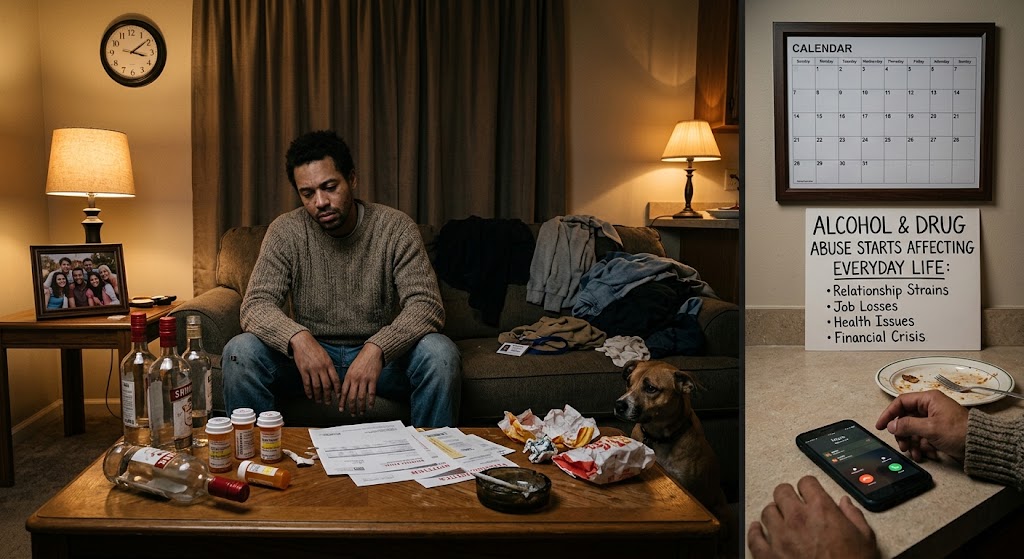
Why Alcohol and Drug Abuse Can Become a Repeating Cycle

Substance use often provides an immediate effect. Alcohol may temporarily reduce feelings of tension, while certain drugs can create feelings of relief, energy, confidence, or escape. The problem is that these effects do not last.

As the effects wear off, difficult emotions or circumstances can return. A person may then use the substance again to regain relief. This creates a cycle that can become increasingly difficult to interrupt.

Temporary Relief Can Reinforce Substance Use

Consider someone who comes home after an overwhelming day and drinks to relax. At first, the behavior may seem manageable. If drinking repeatedly provides temporary relief, the brain begins associating alcohol with relaxation.

The same process can occur with other substances. Over time, the person may automatically think about using whenever a familiar source of stress appears.

This does not mean the person is choosing addiction in a simple or deliberate way. Repeated substance use can create powerful behavioral patterns that require meaningful support to change.

Common Triggers Behind Alcohol and Drug Abuse

A trigger is anything that increases the urge to use alcohol or drugs. Triggers can be obvious, but they can also be surprisingly subtle.

Emotional Triggers

Difficult emotions are common triggers. These may include:

  • Anxiety
  • Depression
  • Anger
  • Loneliness
  • Shame
  • Grief
  • Fear
  • Boredom
  • Frustration

For some individuals, substance use becomes a way to avoid feeling emotions rather than processing them.

Learning to identify emotional triggers can help individuals understand what they actually need in those moments. Sometimes the underlying need may be rest, connection, reassurance, professional counseling, or a healthier way to manage stress.

Environmental Triggers

Places and situations can also become closely associated with substance use.

A particular neighborhood, bar, social group, celebration, workplace environment, or even a certain time of day can trigger cravings. Familiar surroundings can bring back memories and expectations associated with previous substance use.

Changing the environment during early recovery can therefore be an important part of creating stability.

Social Triggers

People can also influence substance use patterns. Friends or acquaintances who regularly drink or use drugs may make it more difficult to maintain recovery.

Pressure does not always have to be direct. Simply being around people who use substances can activate familiar habits.

Developing healthy boundaries and building relationships with people who respect recovery can provide valuable protection against these triggers.

How Habits Make Substance Use Harder to Stop

Addiction is not only about cravings. It can also involve routines that become automatic.

Someone may always drink after work, use drugs during a particular social activity, or turn to substances whenever an argument occurs. Eventually, the behavior may happen with little conscious thought.

Recognizing the Habit Loop

A useful way to understand these patterns is to look at three parts:

Trigger: Something creates an emotional or situational urge.

Behavior: The person drinks or uses drugs.

Reward: The substance provides temporary relief, pleasure, escape, or emotional numbness.

Recovery involves learning how to interrupt this sequence.

Instead of responding automatically, a person can learn to recognize the trigger and choose a different response.

Why Willpower Alone Is Often Not Enough

Many people struggling with alcohol and drug abuse have already tried to stop. They may have promised themselves, their families, or their partners that they would quit.

When substance use returns, they may feel ashamed or conclude that they are incapable of recovery.

That conclusion can be deeply discouraging.

Addiction often involves physical, psychological, emotional, and behavioral factors. Professional treatment can provide tools that go beyond simply telling someone to stop using substances.

Treatment can help individuals understand their patterns, identify triggers, develop coping skills, address mental health concerns, and create practical strategies for maintaining recovery.

The Connection Between Addiction and Mental Health

Alcohol and drug abuse frequently exists alongside emotional and psychological concerns. Sometimes mental health difficulties contribute to substance use. In other cases, ongoing substance use worsens existing symptoms or creates new emotional challenges.

Treating the Underlying Issues

If someone uses alcohol to cope with anxiety, simply removing alcohol without addressing the anxiety may leave them without an effective way to manage distress.

Similarly, someone using drugs to escape trauma or depression may need support addressing those experiences directly.

Mental health treatment can help individuals understand the emotions and experiences connected to their substance use. Counseling and other appropriate therapeutic approaches can provide healthier strategies for managing distress.

This is one reason individualized treatment matters.

How Inpatient and Outpatient Treatment Can Help

Different people require different levels of support. Treatment should reflect the person’s circumstances, substance use history, mental health needs, and recovery goals.

Inpatient Treatment

Inpatient care can provide structure and stability for individuals who need a more intensive treatment environment. Removing everyday access to familiar triggers can create space to focus on recovery.

Within a structured setting, individuals can begin establishing healthier routines while receiving professional support.

When withdrawal may pose health risks, professional assessment and appropriate medical supervision are especially important.

Outpatient Treatment

Outpatient treatment can provide ongoing support while allowing individuals to remain connected to work, family, school, or other responsibilities when clinically appropriate.

This setting can also provide opportunities to practice coping skills in everyday situations.

For example, someone may learn how to handle workplace stress without drinking, respond to family conflict without using drugs, or manage cravings while maintaining a normal daily routine.

Why Holistic and Faith Based Approaches Can Matter

Recovery involves more than avoiding substances. It also involves rebuilding a person’s overall quality of life.

Supporting the Whole Person

Holistic recovery may address physical health, emotional well being, relationships, lifestyle habits, personal values, and spiritual needs.

Healthy sleep, nutrition, physical activity, meaningful hobbies, stress management, and supportive relationships can strengthen the foundation of recovery.

These practices are most effective when they complement professional addiction and mental health care.

Finding Meaning Through Faith

For individuals whose beliefs are an important part of their lives, faith based recovery can provide another source of strength and purpose.

Spiritual practices may help individuals reflect on forgiveness, responsibility, identity, relationships, and the kind of life they want to build.

Faith does not have to be separated from clinical care. For those who value spirituality, it can become part of a broader and more personal recovery process.

Practical Ways to Start Breaking the Cycle

Understanding triggers is useful, but recognizing them is only the beginning. Recovery also requires practical strategies.

Keep Track of Your Triggers

Write down when cravings occur and what happened immediately beforehand. Look for patterns involving emotions, people, places, or situations.

Change High Risk Routines

If certain routines consistently lead to substance use, consider changing them. A different route home, a new evening activity, or spending time with supportive people can make a meaningful difference.

Build a Recovery Support System

Do not rely entirely on willpower. Identify people who can provide encouragement, accountability, and practical support.

Learn New Ways to Manage Stress

Explore coping strategies that address the underlying need. Exercise, counseling, prayer, meditation, journaling, creative activities, and meaningful social connection may provide healthier ways to manage difficult moments.

Seek Professional Help

If alcohol or drug use continues despite serious consequences, professional treatment may be appropriate. A qualified treatment provider can help determine what level and type of care best fits the individual’s circumstances.

Recovery Means Changing More Than the Substance Use

Breaking the cycle of alcohol and drug abuse is not simply about removing alcohol or drugs from someone’s life. It is about understanding what those substances have been doing for the person and finding healthier ways to meet those needs.

For one person, that may mean learning to manage anxiety. For another, it may involve processing trauma, rebuilding family relationships, developing boundaries, or discovering a sense of purpose.

That is why individualized treatment can be so valuable. Recovery becomes more sustainable when it addresses the person behind the substance use.

Taking the Next Step Toward Recovery

If you recognize a pattern of triggers, cravings, and repeated substance use in your own life, you do not have to figure everything out alone. Understanding why alcohol and drug abuse continues can be the first step toward changing the cycle.

Professional addiction recovery services can provide guidance while mental health treatment can address emotional and psychological concerns that may be connected to substance use. Depending on individual needs, inpatient or outpatient care can provide an appropriate level of structure and support. Holistic and faith based approaches can also become meaningful parts of recovery for those who value them.

Most importantly, seeking help does not require waiting until everything falls apart.

If alcohol or drugs are controlling your routines, relationships, emotions, or future plans, consider reaching out for professional support. With the right guidance and a treatment approach built around your individual needs, it is possible to understand the patterns behind substance use and begin building healthier ones in their place.

When Alcohol and Drug Abuse Starts Affecting Everyday Life: Signs It Is Time to Seek Help

Alcohol and drug abuse does not always begin with an obvious crisis. Sometimes, the changes happen slowly. A person may start drinking more frequently, using drugs to cope with stress, missing responsibilities, withdrawing from loved ones, or relying on substances just to feel normal. Because these changes can develop gradually, it may be difficult to recognize when casual or occasional use has become a serious concern. Knowing the warning signs can make it easier to seek alcohol and drug abuse treatment before the consequences become even more difficult to manage.

As substance use begins affecting everyday life, the issue is no longer simply about how much someone drinks or what substances they use. It is also about what those substances are doing to a person’s relationships, mental health, responsibilities, physical well being, and ability to live according to their values.

When Substance Use Begins Changing Daily Life

One of the clearest signs of a developing substance use problem is a noticeable change in everyday functioning.

Someone may continue going to work or school and appear to be managing life reasonably well. However, behind the scenes, alcohol or drug use may be taking increasing amounts of time, energy, attention, and emotional space.

Responsibilities Start Falling Through the Cracks

Missing work, arriving late, neglecting household responsibilities, falling behind academically, or repeatedly failing to follow through on commitments can indicate that substance use is interfering with normal life.

Occasional mistakes happen to everyone. The concern becomes greater when these problems happen repeatedly and appear connected to drinking or drug use.

Relationships Begin to Suffer

Addiction can gradually affect communication and trust. A person may become secretive about their substance use, cancel plans, isolate themselves, or become increasingly defensive when loved ones express concern.

Family members may also notice changes in personality or behavior. Arguments can become more frequent, and relationships that once provided stability may become strained.

These changes should not automatically be interpreted as a lack of care. Substance use can influence how people respond to stress, conflict, and emotional discomfort. Professional treatment can help address these patterns without reducing the person to their addiction.

Emotional Changes Can Be Important Warning Signs

Alcohol and drug abuse can affect much more than physical health. Emotional and psychological changes may be among the earliest signs that someone needs additional support.

Increased Anxiety, Irritability, or Mood Changes

A person who regularly uses substances may experience significant changes in mood. They may become unusually anxious, irritable, restless, withdrawn, or emotionally unpredictable.

Some people use alcohol or drugs because they are already struggling with difficult emotions. Others develop mental health challenges as substance use continues. In either situation, the relationship between addiction and mental health deserves careful attention.

Using Substances to Cope With Emotions

One important question is not simply, “How often do I use?”

Consider asking, “What happens when I feel stressed, sad, angry, lonely, or overwhelmed?”

If alcohol or drugs have become the primary way to manage difficult emotions, it may be time to consider professional support.

Healthy coping skills can take many forms. Counseling, meaningful relationships, exercise, spiritual practices, creative activities, mindfulness, and healthy routines can all become part of a broader recovery plan.

Tolerance, Cravings, and Loss of Control

Changes in the way a person experiences substances can also provide important clues.

Needing More to Get the Same Effect

Developing tolerance can mean that someone needs more of a substance to experience an effect they previously achieved with less. This can increase the risks associated with substance use and may make stopping more difficult.

Strong Cravings Become Part of the Day

Cravings can create a powerful mental focus on obtaining or using a substance. Someone may spend considerable time thinking about when they can drink or use again.

When cravings begin interfering with work, relationships, sleep, or other priorities, professional assessment can provide an opportunity to understand what is happening and identify appropriate treatment options.

Attempts to Cut Back Keep Failing

A person may genuinely want to reduce or stop their substance use but repeatedly find themselves returning to the same pattern.

This does not mean they lack character or determination. Addiction can involve powerful physical, psychological, and behavioral factors. Professional alcohol and drug abuse treatment can provide structure, guidance, and strategies that are difficult to develop alone.

Why Mental Health Treatment Matters

Treating substance use without considering mental health can leave important issues unresolved.

Addiction and Mental Health Can Be Connected

Depression, anxiety, trauma, grief, and other emotional concerns can influence substance use. At the same time, prolonged substance use can contribute to worsening emotional and psychological difficulties.

When both concerns are present, individualized treatment can address them together.

A comprehensive recovery approach may help individuals understand their triggers, process difficult experiences, develop healthier coping mechanisms, and recognize patterns that previously contributed to substance use.

Choosing the Right Level of Addiction Treatment

There is no single treatment setting that works for everyone. The appropriate level of care depends on factors such as substance use, physical and emotional needs, home environment, support system, and recovery goals.

Inpatient Care

Inpatient treatment can provide a structured environment for individuals who need more intensive support. Being away from everyday triggers may allow someone to focus more fully on recovery and begin establishing healthier routines.

For people with significant substance use concerns, professional assessment is especially important before attempting to stop certain substances suddenly. Some forms of withdrawal can be medically serious and may require appropriate supervision.

Outpatient Care

Outpatient treatment allows individuals to receive ongoing professional support while living at home when that level of care is appropriate.

This approach can help people apply recovery skills to everyday situations. They may work on managing cravings, handling stressful relationships, maintaining routines, and creating a support network while continuing important responsibilities.

How Holistic and Individualized Care Supports Recovery

Effective recovery involves more than addressing substance use. It also involves rebuilding the parts of life that addiction may have disrupted.

Caring for the Whole Person

A holistic approach may consider physical health, emotional well being, relationships, personal values, and spiritual needs.

Healthy sleep, nutrition, movement, stress management, meaningful activities, and supportive relationships can all contribute to a stronger foundation for recovery.

These elements work alongside professional addiction and mental health treatment rather than replacing it.

Making Recovery Personal

Individualized care recognizes that every person arrives at treatment with a different history and different goals.

Some individuals may benefit from a structured inpatient setting. Others may be appropriate for outpatient care. Some may place significant importance on faith and spirituality, while others may prefer different approaches to personal growth.

The goal is to build treatment around the person and their needs rather than forcing every individual into the same recovery model.

What You Can Do If You Recognize These Signs

Recognizing a problem is an important first step. You do not have to wait until everything falls apart before asking for help.

If you are concerned about your own alcohol or drug use, consider taking these practical steps:

Be Honest About What Is Happening

Look beyond promises or intentions and consider what substance use is actually doing to your life. Has it affected your relationships, responsibilities, finances, health, mood, or sense of control?

Talk With a Professional

An addiction treatment professional can help you understand your situation without judgment and discuss potential treatment options.

Accept Support From Trusted People

You may not need to explain everything to everyone. Start with someone you trust and allow them to support you as you explore your options.

Focus on the Next Step

Recovery can feel overwhelming when you think about changing everything at once. Instead, focus on the next healthy decision. Making an appointment, asking questions about treatment, or speaking honestly with someone you trust can be a meaningful beginning.

It Is Never Too Early to Ask for Help

Alcohol and drug abuse can gradually become part of everyday life, making unhealthy patterns feel normal. However, noticing changes in your behavior, relationships, emotional health, or ability to manage responsibilities can provide an important opportunity to intervene.

You do not have to wait for a major crisis to take your concerns seriously.

Professional alcohol and drug abuse treatment can provide the support needed to understand substance use, address mental health concerns, develop healthier coping skills, and begin rebuilding daily life. Inpatient and outpatient options can provide different levels of structure, while holistic, faith based, and individualized approaches can help make treatment more personally meaningful.

Take the Next Step Toward Recovery

If alcohol or drugs are beginning to control parts of your life that once mattered to you, consider reaching out for professional help. Asking for support is not an admission of failure. It is a practical decision to protect your health, relationships, and future.

The earlier you recognize the signs and seek appropriate support, the sooner you can begin creating a life that is not organized around substance use. Recovery starts with one honest step, and that step can begin today.

From Substance Use to Self Discovery: Finding a Healthier Path Through Alcohol and Drug Abuse Treatment

Alcohol and drug abuse can gradually change the way a person sees themselves, their relationships, and their future. What may begin as a way to cope with stress, emotional pain, trauma, or difficult circumstances can eventually become a cycle that feels impossible to break. Yet recovery is about more than stopping substance use. Effective alcohol and drug abuse treatment can help individuals understand what is driving their substance use, address underlying mental health concerns, rebuild confidence, and discover a healthier way to live.

Recovery is not about becoming someone else. It is about reconnecting with the person you were before addiction took over and developing the skills, support, and self awareness needed to move forward.

Understanding the Journey From Substance Use to Recovery

Substance use rarely exists in isolation. Alcohol or drugs may provide temporary relief from anxiety, depression, grief, loneliness, trauma, or overwhelming responsibilities. Over time, however, relying on substances to manage difficult emotions can create new problems while leaving the original concerns unresolved.

This is why meaningful treatment looks beyond the substance itself.

Addiction Is More Than a Lack of Willpower

One of the most harmful misconceptions about addiction is that people simply need to make better choices. In reality, substance use disorders can affect behavior, emotional regulation, decision making, relationships, and overall well being.

Shame and self criticism can make recovery even harder. Compassionate treatment takes a different approach. Instead of asking, “What is wrong with you?” treatment helps explore questions such as:

  • What experiences contributed to my substance use?
  • What emotions or situations trigger cravings?
  • Are there underlying mental health concerns that need attention?
  • What healthy coping skills can I develop?
  • What kind of life do I want to build in recovery?

These questions can become the foundation for genuine self discovery.

How Alcohol and Drug Abuse Treatment Supports Self Discovery

Professional addiction treatment provides an environment where individuals can step away from the pressures and patterns that have reinforced substance use. With appropriate support, treatment can become a time for reflection, healing, and meaningful change.

Individualized Treatment Addresses the Whole Person

No two recovery journeys are exactly alike. A treatment plan that works for one person may not meet another person’s needs.

Individualized care considers factors such as substance use history, mental health, personal circumstances, relationships, goals, and previous treatment experiences. This allows professionals to develop a recovery approach that addresses the individual rather than simply treating a diagnosis.

Personalized care can also help individuals identify strengths they may have overlooked. Recovery is not only about recognizing challenges. It is also about discovering resilience, values, interests, abilities, and aspirations that can support a healthier future.

Mental Health Treatment Can Reveal Underlying Issues

For many people, alcohol and drug abuse is connected to mental health concerns. Anxiety, depression, trauma, unresolved grief, and other emotional difficulties can influence substance use and make recovery more complicated.

When mental health and addiction concerns occur together, addressing only one may leave the other untreated.

Comprehensive treatment can provide an opportunity to explore these underlying concerns in a supportive setting. Learning to recognize emotions, communicate needs, process painful experiences, and develop healthier coping strategies can reduce reliance on substances as an emotional escape.

Inpatient and Outpatient Care Can Meet Different Recovery Needs

Choosing the right level of treatment is an important part of the recovery process. Inpatient and outpatient care can each provide valuable support, depending on a person’s circumstances and clinical needs.

Inpatient Treatment Provides Structure and Stability

Inpatient care can offer a structured environment away from everyday triggers and pressures. This setting may be especially helpful for individuals who need a higher level of support while beginning their recovery journey.

With professional guidance, individuals can focus more fully on treatment, emotional healing, healthy routines, and developing skills that support long term recovery.

Outpatient Treatment Helps Build Recovery Into Daily Life

Outpatient treatment allows individuals to receive professional support while continuing to manage responsibilities such as work, school, or family commitments when appropriate.

This type of care can help people practice recovery skills in real world situations. Individuals may learn how to manage cravings, establish healthier routines, communicate boundaries, and respond to stressful situations without returning to substance use.

The right treatment setting should be based on individual needs rather than assumptions about what recovery is supposed to look like.

Why Holistic Healing Matters in Addiction Recovery

Recovery involves the mind, body, emotions, relationships, and sense of purpose. For this reason, holistic approaches can provide valuable support alongside traditional addiction treatment.

Holistic care encourages individuals to consider how different areas of life influence recovery.

Rebuilding the Mind and Body

Substance use can disrupt sleep, nutrition, physical health, emotional stability, and daily routines. Recovery creates an opportunity to rebuild these foundations.

Healthy habits such as regular sleep, nutritious meals, physical activity, mindfulness, meaningful recreation, and stress management can support overall well being. These habits do not replace professional treatment, but they can become important parts of a sustainable recovery lifestyle.

Reconnecting With Purpose and Faith

For individuals who draw strength from faith, spirituality can provide an important source of meaning, hope, and connection.

Faith based recovery can encourage reflection, forgiveness, personal responsibility, and a renewed sense of purpose. It can also help individuals explore values that may guide their choices after treatment.

A compassionate approach respects each person’s beliefs and recognizes that spirituality can have different meanings for different people.

Practical Steps for Building a Healthier Life in Recovery

Self discovery becomes more meaningful when it leads to practical change. During and after treatment, individuals can begin developing routines that support their goals.

Identify Your Personal Triggers

Pay attention to situations, people, emotions, locations, and thought patterns associated with substance use. Understanding triggers makes it easier to create strategies for managing them.

Develop Healthier Coping Skills

Instead of turning to alcohol or drugs during difficult moments, experiment with healthier responses. These might include talking with a trusted person, exercising, journaling, practicing relaxation techniques, attending counseling, or engaging in meaningful activities.

Build a Supportive Network

Recovery does not have to happen alone. Supportive family members, friends, counselors, recovery communities, and other trusted people can provide encouragement and accountability.

Set Realistic Goals

You do not have to rebuild your entire life overnight. Start with manageable goals. Establishing a healthy routine, repairing one relationship, returning to a meaningful activity, or learning a new coping strategy can represent significant progress.

Practice Self Compassion

Recovery includes difficult days. A setback, difficult emotion, or strong craving does not erase the progress you have already made.

Learning from challenges without allowing shame to take control can help you continue moving forward.

Recovery Can Become a Process of Rediscovering Yourself

Alcohol and drug abuse can narrow a person’s world until obtaining and using substances becomes the primary focus. Treatment can help open that world again.

As recovery progresses, individuals may rediscover interests they abandoned, relationships they neglected, goals they postponed, and qualities they forgot they possessed. They may begin to see themselves as a parent, partner, friend, professional, creator, student, volunteer, or simply as a person with a future worth protecting.

That process is one of the most meaningful parts of recovery.

Treatment is not simply about removing substances from someone’s life. It is about helping the person build something healthier in their place.

Taking the Next Step Toward Recovery

Choosing alcohol and drug abuse treatment can feel intimidating, especially when addiction has been accompanied by shame, fear, or uncertainty about the future. You do not need to have every answer before asking for help.

The first step can simply be acknowledging that something needs to change.

With individualized addiction recovery services, mental health treatment, appropriate inpatient or outpatient care, and holistic or faith based support when desired, recovery can become an opportunity for genuine healing and self discovery.

You are more than your substance use. Your past does not have to define your future. Reaching out for professional support can be the beginning of understanding yourself more deeply, rebuilding your life, and discovering a healthier path forward.