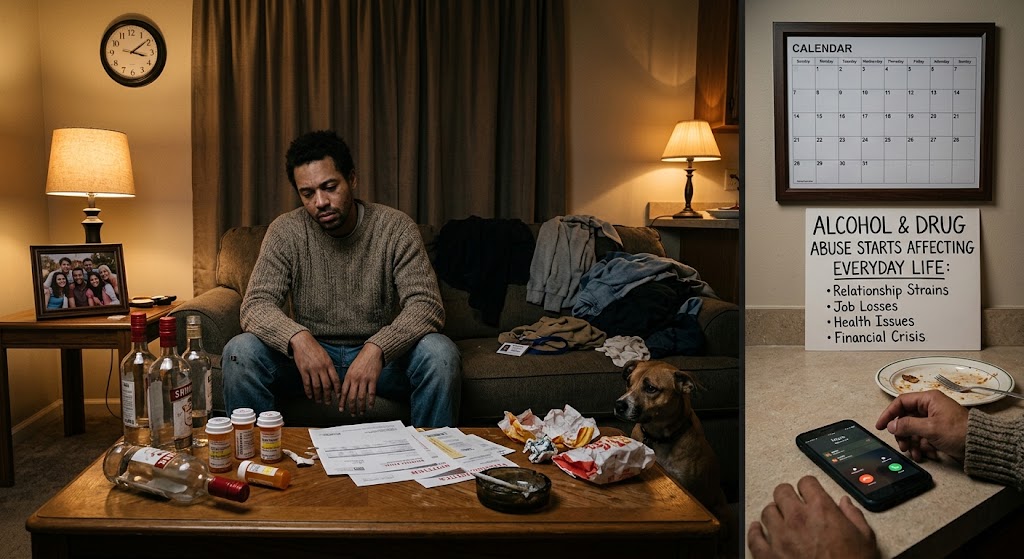
Choosing an alcohol and drug abuse treatment program is an important decision, especially when substance use has begun affecting your health, relationships, or ability to manage everyday responsibilities. With different levels of care, therapy options, and recovery approaches available, knowing where to begin can feel overwhelming. The right program should address more than substance use alone. It should consider your physical health, mental well-being, personal circumstances, and long-term recovery goals. Understanding what to look for can help you make an informed choice and find treatment that supports meaningful, lasting change.
No two people experience addiction in exactly the same way. Some need medically supervised detoxification and structured residential care, while others may benefit from outpatient counseling and ongoing recovery support. Additionally, people dealing with anxiety, depression, trauma, or other mental health concerns may need treatment that addresses these conditions alongside substance use.
Rather than choosing a program based only on location, cost, or convenience, take time to understand the services it provides and whether they match your needs.
Understand Your Alcohol and Drug Abuse Treatment Needs
Before comparing treatment programs, consider how substance use affects your life. An honest assessment can help you identify the type of support you may need and prepare you for a conversation with a healthcare professional.
Consider the Severity of Substance Use
Think about how often you use alcohol or drugs, how much you typically consume, and whether you have difficulty cutting back. Consider whether substance use has affected your work, family responsibilities, finances, physical health, or relationships.
You may also want to consider whether you experience cravings or withdrawal symptoms when you stop using substances.
These details matter because treatment recommendations depend partly on the severity of substance use and the risks associated with withdrawal. For example, alcohol withdrawal can cause serious medical complications, including seizures and severe confusion. If physical dependence is possible, seek medical advice before stopping suddenly.
A qualified professional can assess your situation and recommend an appropriate level of care.
Identify Your Mental Health Concerns
Addiction and mental health conditions frequently occur together. Someone experiencing anxiety may use alcohol to feel more relaxed, while another person dealing with depression may turn to drugs to escape difficult emotions.
However, substance use can also worsen existing mental health symptoms or contribute to new psychological difficulties.
When choosing an alcohol and drug abuse treatment program, ask whether it provides mental health assessments and appropriate psychological care. Addressing both conditions can help create a more complete recovery plan.
Compare Inpatient and Outpatient Treatment Programs
One of the most important decisions involves choosing the appropriate level of care. Inpatient and outpatient treatment offer different types of support, and neither option is automatically right for everyone.
Inpatient Treatment for Structured, Intensive Support
Inpatient or residential treatment provides a structured environment where individuals can focus on recovery with ongoing professional support.
Depending on the program, services may include:
- Individual counseling and group therapy.
- Mental health assessments and treatment.
- Recovery education and relapse prevention.
- Medical services and coordination of care.
- Support with daily routines and healthy habits.
- Family involvement when appropriate.
Inpatient treatment may be suitable for people who need more structure, have significant medical or psychological needs, or face an environment that makes recovery difficult.
It can also provide distance from familiar triggers and opportunities to focus on developing new coping strategies.
Keep in mind that detoxification and rehabilitation serve different purposes. Detoxification addresses withdrawal and immediate physical risks, while ongoing treatment works on the behavioral, emotional, and psychological factors associated with addiction.
Outpatient Treatment for Flexible Recovery Support
Outpatient treatment allows individuals to attend scheduled therapy and recovery services while continuing to live at home. This option may work well for people whose medical needs, living circumstances, and support systems make treatment outside a residential setting appropriate.
Outpatient services may include individual therapy, group counseling, mental health treatment, recovery education, and relapse prevention planning.
Some programs offer intensive outpatient services with more frequent sessions for individuals who need additional structure.
One advantage of outpatient care is that individuals can practice recovery skills in their everyday environments. However, outpatient treatment may not be appropriate when someone faces serious withdrawal risks or requires continuous supervision.
A professional assessment can help determine which level of care is safe and suitable.
Look for Individualized Addiction Treatment
A quality alcohol and drug abuse treatment program should recognize that recovery needs vary from person to person. Treatment should not follow a rigid formula that ignores individual circumstances.
Ask Whether Treatment Plans Are Personalized
An individualized treatment plan considers factors such as:
- The substances involved and the history of use.
- Physical health and medical needs.
- Mental health symptoms and previous diagnoses.
- Family relationships and available support.
- Personal responsibilities and living arrangements.
- Previous treatment experiences.
- Individual goals, values, and preferences.
For example, someone recovering from alcohol dependence while managing anxiety may need a different combination of services than someone dealing with stimulant use and unresolved trauma.
Personalized care allows treatment professionals to select appropriate interventions and adjust the plan as needs change.
Consider the Types of Therapy Available
Therapy is an important part of addiction recovery because it helps individuals understand the thoughts, emotions, and behaviors connected to substance use.
Depending on the program, available approaches may include:
Cognitive behavioral therapy (CBT): Helps individuals identify unhelpful thinking patterns and develop healthier responses to triggers and stressful situations.
Group therapy: Provides opportunities to share experiences, learn from others, and develop supportive connections.
Family counseling: Helps address communication difficulties, rebuild trust, and establish healthier relationship boundaries.
Trauma-informed care: Recognizes how traumatic experiences may influence substance use and emotional well-being.
Relapse prevention counseling: Helps individuals identify warning signs, prepare for high-risk situations, and create practical strategies for maintaining recovery.
Ask treatment providers which therapies they offer and how they determine whether an approach is appropriate for each individual.
Make Sure Mental Health Treatment Is Available
Treating addiction without considering mental health can leave important recovery needs unresolved. This is especially relevant for individuals experiencing depression, anxiety, post-traumatic stress symptoms, or other psychological concerns.
Understand Co-Occurring Disorders
A co-occurring disorder refers to the presence of both a substance use disorder and a mental health condition.
These conditions may influence one another in several ways. For example, someone may use alcohol to manage anxiety, while repeated drinking may worsen sleep and increase feelings of nervousness. Another person may experience depression that becomes more difficult to manage during periods of substance use.
An appropriate treatment program should be able to assess these concerns and coordinate care.
Ask About Qualified Mental Health Professionals
When comparing programs, ask whether mental health services are provided by qualified professionals. Find out how assessments are conducted, whether counseling is available, and how medication management is handled when needed.
It is also useful to ask how the program responds if mental health symptoms change during treatment.
Integrated care can help individuals work on addiction and psychological well-being as connected parts of recovery.
Evaluate Holistic and Faith-Based Treatment Options
Some people want their recovery plan to address physical, emotional, and spiritual well-being alongside clinical treatment. Holistic and faith-based services may provide additional support when they match an individual’s preferences.
Explore Holistic Recovery Services
Holistic approaches focus on overall well-being and may complement evidence-based addiction treatment.
Depending on the program, these services might include:
- Mindfulness and relaxation exercises.
- Yoga or other appropriate physical activities.
- Nutrition education.
- Healthy sleep routines.
- Creative activities.
- Stress management practices.
These services can encourage healthier habits and help individuals build routines that support recovery. However, they should complement, rather than replace, appropriate medical and psychological treatment.
Consider Whether Faith-Based Support Fits Your Values
For individuals who draw strength from spiritual beliefs, faith-based services may provide a meaningful source of encouragement and connection.
Programs may offer prayer, spiritual counseling, faith-centered discussions, or opportunities to participate in a religious community.
Ask whether these services are optional and how they fit into the broader treatment plan. A suitable program should respect personal beliefs and avoid making spiritual participation a substitute for necessary clinical care.
Check the Program’s Credentials, Staff, and Treatment Standards
Before enrolling in an addiction treatment program, take time to understand who provides care and what standards the organization follows.
Verify Licensing and Accreditation
Requirements vary depending on location and the type of services offered. Ask whether the facility is properly licensed and whether it holds relevant accreditation.
Accreditation from a recognized organization may indicate that a program has undergone an external review of its practices and standards. However, accreditation alone does not guarantee that a particular program is the right fit.
You should also ask about staff qualifications, professional supervision, and the procedures used to evaluate treatment progress.
Understand the Services and Costs
Treatment costs can vary significantly depending on the level of care, length of treatment, staffing, and services included.
Before making a decision, request clear information about:
- Program fees and additional charges.
- Insurance coverage or payment options.
- Treatment schedules and expected duration.
- Medical and mental health services.
- Family involvement and communication policies.
- Discharge planning and continuing support.
A trustworthy provider should be willing to explain its services and answer reasonable questions before you commit.
Ask About Aftercare and Long-Term Recovery Support
Completing an inpatient or outpatient program is an important milestone, but recovery continues beyond formal treatment. Individuals may still face stress, cravings, relationship challenges, and situations that increase the risk of returning to substance use.
For this reason, continuing support should be part of your treatment decision.
Look for a Clear Aftercare Plan
A useful aftercare plan may include:
- Ongoing individual counseling.
- Peer recovery support groups.
- Continued mental health treatment.
- Relapse prevention strategies.
- Family support services.
- Referrals to community resources.
The plan should reflect your needs and provide guidance for maintaining progress after the initial treatment period.
Understand How Relapse Prevention Works
Relapse prevention involves identifying situations, emotions, and behaviors that may increase the risk of returning to substance use.
For example, financial stress, relationship conflict, social pressure, isolation, and untreated anxiety may create challenges during recovery.
A treatment program should help individuals recognize their personal warning signs and develop practical responses. If a setback occurs, it should be treated as a reason to reassess support and treatment needs, not as proof that recovery is impossible.
Questions to Ask Before Choosing an Alcohol and Drug Abuse Treatment Program
Speaking directly with treatment providers can help you compare services and determine whether a program is appropriate.
Consider asking:
- What levels of care do you offer, including inpatient and outpatient treatment?
- Do you provide medical assessments and coordinate supervised detoxification when needed?
- How do you evaluate mental health concerns alongside addiction?
- Are treatment plans individualized?
- What types of counseling and therapy are available?
- Do you offer holistic or optional faith-based services?
- What qualifications do your clinical staff hold?
- What are the costs, payment options, and insurance arrangements?
- How do you involve family members when appropriate?
- What continuing care and relapse prevention services are available?
The answers can help you understand what to expect and whether the program aligns with your needs, values, and recovery goals.
Choose Treatment That Supports Your Long-Term Well-Being
Finding the right alcohol and drug abuse treatment program involves more than selecting a facility or deciding between inpatient and outpatient care. It means finding professional support that considers your physical health, mental health, personal circumstances, and goals for the future.
Look for a program that offers qualified clinical care, individualized treatment planning, appropriate mental health services, and a clear approach to continuing recovery support. Holistic and faith-based services may also be valuable additions when they reflect your preferences and complement evidence-based treatment.
Most importantly, do not wait until substance use causes a crisis before asking for help. If alcohol or drugs are affecting your health, relationships, or everyday responsibilities, speak with a qualified treatment professional about your options. The right guidance can help you take an informed first step toward recovery and begin building a healthier, more stable life.
 Anxiety can make everyday life feel difficult to manage, especially when worry, tension, racing thoughts, or panic begin interfering with sleep, relationships, and daily responsibilities. For some people, alcohol or drugs may seem like an easy way to quiet those feelings. A drink after a stressful day or a substance used to escape overwhelming thoughts can provide temporary relief. However, relying on alcohol or drugs to manage anxiety can create a cycle that makes both problems harder to control. Understanding the connection between alcohol and drug abuse and anxiety is an important step toward finding healthier coping strategies and getting the right treatment.
 Alcohol and drug abuse can gradually become harder to control, even when someone genuinely wants to cut back or stop. What begins as an occasional way to relax, manage stress, or escape difficult emotions may develop into a pattern that affects physical health, mental well-being, relationships, and everyday responsibilities. Understanding why substance use becomes more difficult to manage is an important step toward finding effective treatment. With appropriate professional support, individuals can address the factors driving their substance use, develop healthier coping strategies, and work toward lasting recovery.

 Overcoming alcohol and drug abuse involves much more than stopping substance use. Although quitting is an important milestone, lasting recovery also means rebuilding physical health, strengthening relationships, improving mental well being, and learning how to handle life’s challenges without relying on substances. Professional alcohol and drug abuse treatment can help individuals address the underlying causes of addiction while developing the skills and support systems needed to create a healthier, more stable future.


 Alcohol and drug abuse rarely continues for just one reason. What starts as occasional substance use can gradually become a deeply established pattern shaped by emotional distress, environmental triggers, learned habits, relationships, and changes in the brain and behavior. Over time, drinking or drug use may begin to feel like the quickest way to escape stress, numb painful emotions, manage anxiety, or simply get through the day. Understanding what keeps alcohol and drug abuse going is an important part of recovery because lasting change requires more than stopping substance use. It requires identifying the patterns behind it and learning healthier ways to respond.