Overcoming Stigma Around Alcohol and Drug Abuse: Stories, Resources, and Real Recovery Tips

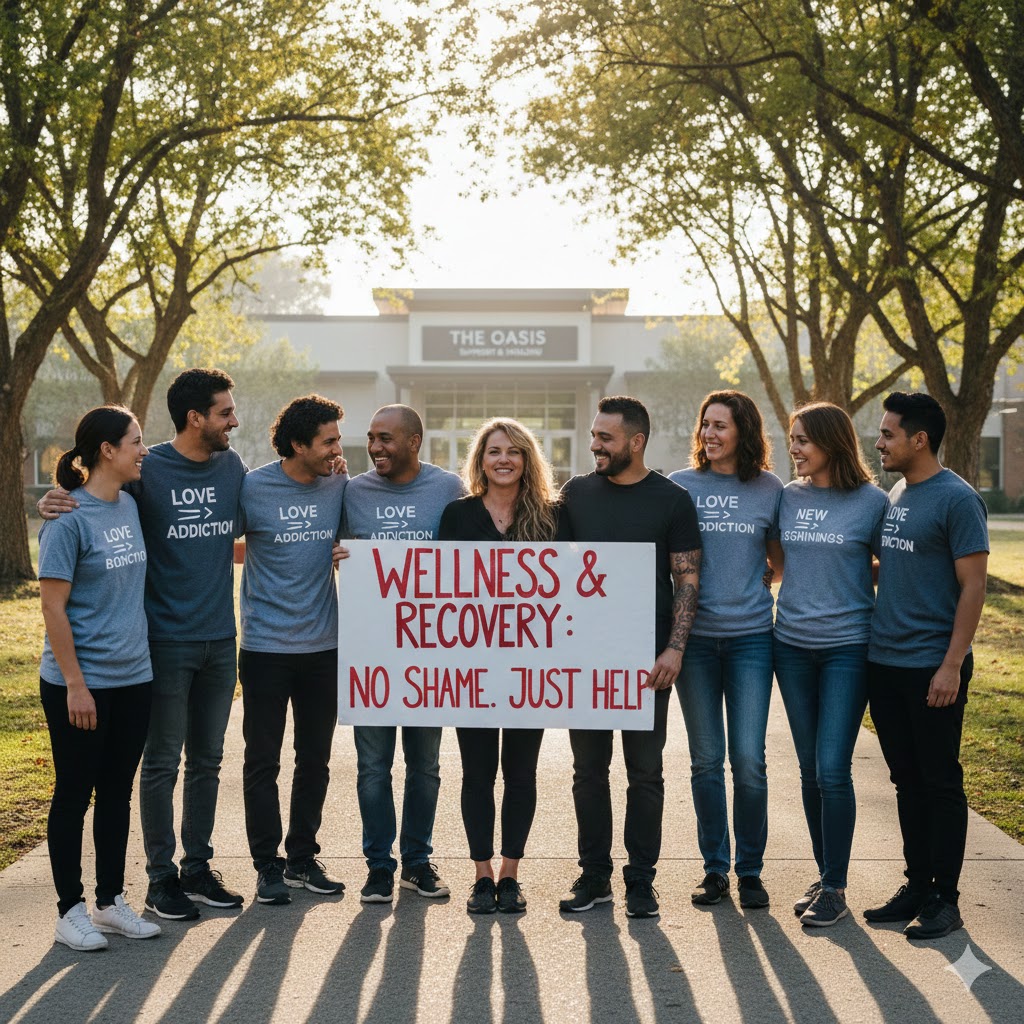
Stigma surrounding alcohol and drug abuse remains one of the biggest barriers preventing individuals from seeking help. Many people delay treatment because they fear judgment, shame, or misunderstanding from others. Yet addiction is a treatable health condition, not a personal failure. By challenging stigma and sharing real recovery strategies, individuals and families can begin to view treatment as a hopeful and empowering step toward healing. Understanding the truth about addiction helps people feel less alone and more willing to reach out for the support they deserve.

Understanding the Impact of Stigma in Alcohol and Drug Abuse

Stigma creates harmful misconceptions that discourage honest conversations about addiction and mental health. People struggling with substance use may hide their symptoms, avoid medical care, or isolate themselves from loved ones. This silence can make recovery more difficult and delay access to effective treatment.

In reality, alcohol and drug abuse often involves complex physical, emotional, and psychological factors. Mental health conditions such as anxiety, depression, and trauma frequently occur alongside substance use. Addressing these challenges requires compassion, professional care, and individualized treatment plans.

Real Stories of Hope and Recovery

Although every journey is different, many individuals have overcome addiction by reaching out for help and embracing comprehensive care. Stories of recovery often share common themes.

Finding Strength Through Professional Support

Many people begin recovery when they connect with a treatment team that understands both addiction and mental health. Structured programs provide a safe environment where individuals can explore the root causes of substance use and learn new coping skills.

Healing Through Connection and Community

Recovery becomes more sustainable when individuals feel supported by peers, counselors, and family members. Group therapy, peer support meetings, and community involvement help reduce isolation and build confidence.

Embracing Personalized Treatment Plans

Successful recovery often involves individualized care that includes therapy, medical support, holistic wellness practices, and spiritual or faith-based guidance. Tailored treatment helps individuals address their unique experiences and goals.

Resources That Help Break the Cycle of Stigma

Access to the right resources can make it easier for individuals to seek help without fear or shame.

Inpatient and Outpatient Treatment Programs

Inpatient treatment offers intensive support in a structured environment, while outpatient care provides flexibility for those balancing work, family, or personal responsibilities. Both options allow individuals to receive evidence-based therapy and mental health support in a compassionate setting.

Mental Health and Dual Diagnosis Care

Integrated treatment for mental health and substance use disorders helps individuals understand the connection between emotional challenges and addiction. Addressing both conditions simultaneously reduces the risk of relapse and promotes long-term stability.

Holistic and Faith-Based Support

Holistic care emphasizes overall well-being through mindfulness, physical wellness, nutrition, and stress management. Faith-based programs may provide spiritual guidance and a sense of purpose that strengthens recovery and helps individuals rebuild hope.

Real Recovery Tips for Overcoming Stigma

Taking practical steps can help individuals move beyond shame and embrace the recovery process.

Speak Openly With Trusted People

Sharing your experiences with a trusted counselor, family member, or support group can reduce feelings of isolation and encourage accountability.

Focus on Education and Self Awareness

Learning about addiction as a health condition helps replace self blame with understanding. Education empowers individuals to make informed decisions about treatment and recovery.

Build Healthy Routines

Consistent habits such as regular sleep, exercise, and mindfulness practices support mental health and reduce stress. Healthy routines also reinforce positive coping skills during challenging moments.

Seek Professional Guidance Early

The sooner someone reaches out for help, the more treatment options are available. Professional support provides tools, structure, and encouragement throughout the recovery journey.

Moving Forward With Confidence and Compassion

Overcoming stigma around alcohol and drug abuse begins with honest conversations, education, and access to compassionate care. Recovery is possible when individuals feel supported and understood rather than judged. Treatment programs that combine addiction recovery services, mental health care, inpatient and outpatient options, and holistic or faith-based approaches offer a comprehensive path toward healing.

If you or someone you love is struggling with alcohol or drug abuse, reaching out for professional support can be a life changing decision. Compassionate treatment teams are ready to listen, provide guidance, and create a personalized plan for lasting recovery. Take the next step today by connecting with a trusted provider who understands your challenges and believes in your potential for healing.


Family Support in Recovery: Helping Loved Ones Through Alcohol and Drug Abuse Treatment

Alcohol and drug abuse rarely affects just one person. It impacts families, relationships, and entire support systems. When a loved one enters treatment, family involvement can play a powerful role in recovery. Understanding how to offer support in healthy, informed ways helps create stability, trust, and long-term success. With the right guidance, families can become a source of strength rather than stress during the recovery journey.

Why Family Support Matters in Addiction Recovery

Recovery from alcohol and drug abuse is not only about stopping substance use. It is about healing emotionally, mentally, and relationally. Family support provides encouragement, accountability, and emotional safety during treatment and beyond. Research consistently shows that individuals who feel supported by their families are more likely to remain engaged in treatment and maintain long-term recovery.

Family involvement also helps loved ones better understand addiction as a medical and mental health condition rather than a personal failure. This shift in perspective fosters empathy, reduces stigma, and improves communication.

Understanding the Family’s Role in Treatment

Families are often deeply affected by addiction, sometimes without realizing how much it has shaped their behaviors and relationships. Learning how to support recovery in a healthy way is essential.

Emotional Support Without Enabling

Support means offering compassion and encouragement without enabling harmful behaviors. This includes setting clear boundaries, communicating honestly, and allowing the person in recovery to take responsibility for their healing.

Participation in Therapy and Education

Many treatment programs encourage family participation through counseling, education, or support groups. These services help families learn effective communication skills, identify unhealthy patterns, and rebuild trust.

How Inpatient and Outpatient Programs Involve Families

Treatment settings offer different opportunities for family involvement, depending on the level of care.

Family Support in Inpatient Treatment

Inpatient treatment provides a structured environment where individuals can focus fully on recovery. Family involvement may include scheduled therapy sessions, educational workshops, and guided visitation. These interactions help repair relationships while maintaining a safe and focused treatment space.

Family Support in Outpatient Treatment

Outpatient care allows individuals to remain connected to their daily lives while receiving treatment. Families often play a more active role, providing encouragement, transportation, accountability, and emotional support between sessions. Clear communication and shared recovery goals are especially important in this setting.

Addressing Mental Health and Emotional Healing

Alcohol and drug abuse often co-occurs with mental health challenges such as anxiety, depression, or trauma. Family support becomes even more critical when mental health treatment is part of recovery. Loved ones who understand these conditions can respond with patience rather than frustration, helping reduce stress and prevent relapse.

Holistic and Faith-Based Approaches to Family Healing

Recovery is most effective when it addresses the whole person. Holistic approaches such as mindfulness, nutrition, exercise, and stress management support emotional balance and resilience. Faith-based care can also offer families a sense of hope, meaning, and shared purpose during difficult times.

These approaches encourage families to heal together, not just support the individual in treatment. Healing relationships strengthens the foundation for long-term recovery.

Practical Ways Families Can Support Recovery

Families can make a meaningful difference by taking simple, intentional steps:

  • Educate yourself about addiction and mental health treatment

  • Attend family therapy or support groups when available

  • Encourage healthy routines and stress management

  • Celebrate progress, no matter how small

  • Maintain consistent boundaries with compassion

Support does not require perfection. It requires commitment, understanding, and a willingness to grow alongside your loved one.

Taking the Next Step Together

Supporting a loved one through alcohol and drug abuse treatment can feel overwhelming, but no family has to navigate this journey alone. Professional treatment programs provide guidance not only for individuals in recovery but also for the families who support them. With the right tools, education, and compassionate care, families can rebuild trust, strengthen relationships, and move forward together.

If you or someone you love is struggling with alcohol or drug abuse, reaching out for professional help is an important first step. Contact a trusted addiction treatment provider today to learn how family-centered care can support healing, recovery, and lasting change.

From Inpatient to Outpatient: Choosing the Right Alcohol and Drug Abuse Treatment Path for You

Finding the right treatment path for alcohol and drug abuse can feel overwhelming. Each person’s journey to recovery is unique, and the type of care that works best depends on the severity of the addiction, mental health needs, personal circumstances, and support system. Understanding the differences between inpatient and outpatient treatment, as well as the benefits of holistic, faith-based, and individualized approaches, can help you make an informed decision and take a confident step toward lasting recovery.

Understanding Inpatient Treatment

Inpatient treatment, also known as residential treatment, provides a structured and immersive environment for individuals struggling with alcohol or drug abuse. Patients live at the treatment facility for a set period, typically ranging from a few weeks to several months. This approach is particularly beneficial for those with severe addiction, co-occurring mental health conditions, or a history of relapse.

Key Features of Inpatient Care

  • 24-hour medical supervision and support

  • Intensive therapy sessions, both individual and group

  • Access to medical detox if needed

  • Structured daily schedules that support routine and accountability

Inpatient treatment allows individuals to focus fully on recovery, free from external stressors and triggers that may hinder progress.

Understanding Outpatient Treatment

Outpatient treatment offers flexibility for those who cannot commit to residential care due to work, family, or other responsibilities. While participants live at home, they attend regular therapy sessions, support groups, and medical appointments. Outpatient programs are effective for individuals with mild to moderate addiction or those transitioning from inpatient care.

Key Features of Outpatient Care

  • Regular therapy sessions tailored to individual needs

  • Opportunities to practice recovery skills in real-life settings

  • Access to mental health counseling and group support

  • Flexible scheduling to accommodate daily life

Outpatient treatment provides ongoing support while encouraging independence and the development of coping strategies in everyday environments.

Factors to Consider When Choosing a Treatment Path

Selecting the right treatment approach involves assessing several factors:

Severity of Addiction

Individuals with severe addiction, frequent relapses, or co-occurring mental health issues often benefit from inpatient care for intensive support.

Personal Circumstances

Work, family obligations, and living conditions may influence whether outpatient care is feasible.

Support System

Strong family and community support can enhance the effectiveness of outpatient programs, while those with limited support may need the structured environment of inpatient care.

Recovery Goals

Clarifying your recovery goals helps determine whether an immersive, round-the-clock program or a flexible, part-time program will best support long-term success.

Integrating Holistic and Faith-Based Approaches

Many treatment programs incorporate holistic and faith-based methods to support emotional, mental, and spiritual well-being. Practices such as mindfulness, exercise, nutrition, and spiritual guidance can strengthen resilience, improve mental health, and enhance overall recovery outcomes. Individualized treatment plans ensure that therapy, counseling, and aftercare are tailored to each person’s unique needs.

Transitioning Between Inpatient and Outpatient Care

For many individuals, the most effective path involves a combination of inpatient and outpatient care. Starting with inpatient treatment can provide a strong foundation, followed by outpatient care to support reintegration into daily life. This continuum of care helps maintain accountability while gradually building independence and coping skills.

Taking the Next Step Toward Recovery

Choosing the right treatment path is a critical step toward overcoming alcohol and drug abuse. Professional guidance, compassionate support, and personalized care increase the likelihood of lasting recovery. Whether inpatient, outpatient, or a combination of both, effective treatment addresses both substance use and mental health needs, providing the tools and support necessary for a healthier, more fulfilling life.

If you or a loved one is struggling with alcohol or drug abuse, don’t wait. Reach out to a trusted addiction treatment provider today to explore your options and start your journey toward lasting recovery.

How Dual Diagnosis Shapes Recovery: Treating Mental Health Alongside Alcohol and Drug Abuse

Dual diagnosis, also known as co-occurring disorders, occurs when an individual experiences both substance abuse and a mental health condition simultaneously. This combination presents unique challenges that require careful, specialized care. Understanding how dual diagnosis affects recovery is essential for anyone seeking treatment, whether for themselves or a loved one. By addressing both mental health and addiction together, recovery becomes more sustainable and effective.

What Is Dual Diagnosis

Dual diagnosis refers to the coexistence of a substance use disorder and a mental health disorder such as depression, anxiety, bipolar disorder, or post-traumatic stress disorder. Many individuals struggling with alcohol or drug abuse may also be dealing with underlying psychological challenges. Often, one condition can exacerbate the other, creating a cycle that is difficult to break without professional intervention.

Why Treating Both Conditions Matters

Treating only the substance use or only the mental health condition can limit recovery outcomes. When one issue is ignored, symptoms may persist, leading to relapse or worsening mental health. Integrated treatment plans that address both conditions simultaneously provide a more comprehensive approach. This ensures that:

  • Cravings and withdrawal are managed safely.

  • Mental health symptoms are addressed with therapy, counseling, or medication as appropriate.

  • Coping strategies are developed to prevent relapse.

  • Long-term recovery goals are achievable and sustainable.

Early Signs That Dual Diagnosis May Be Present

Recognizing dual diagnosis early can make a significant difference in recovery outcomes. Common signs include:

Behavioral Indicators

  • Frequent substance use alongside mood swings

  • Difficulty maintaining relationships or employment

  • Impulsive or self-destructive behavior

Emotional Indicators

  • Persistent anxiety, depression, or irritability

  • Feelings of hopelessness or chronic stress

  • Sudden changes in personality or motivation

Physical Indicators

  • Sleep disturbances or fatigue

  • Unexplained physical ailments

  • Changes in appetite or weight

Identifying these patterns allows individuals and families to seek targeted support before problems escalate.

Effective Dual Diagnosis Treatment Approaches

Recovery for individuals with dual diagnosis requires a carefully coordinated, holistic approach. Treatment may include:

Inpatient and Outpatient Care

Inpatient programs provide structured, intensive care for those needing close monitoring. Outpatient programs offer flexibility while still providing counseling, therapy, and medical supervision.

Mental Health and Addiction Therapy

Integrated therapy addresses both the substance use disorder and the underlying mental health condition. Cognitive-behavioral therapy, dialectical behavior therapy, and trauma-informed counseling are common approaches that help individuals develop practical coping strategies.

Holistic and Faith-Based Support

Incorporating holistic methods such as mindfulness, exercise, nutrition, and spiritual practices supports overall well-being. Faith-based programs may offer an additional layer of guidance, encouragement, and purpose.

Individualized Recovery Plans

No two journeys are the same. Personalized treatment plans ensure that therapy, medication management, and aftercare are tailored to each individual’s unique needs and circumstances.

Overcoming the Challenges of Dual Diagnosis

Recovering from dual diagnosis can be challenging, but with the right support, it is possible. Individuals benefit from a compassionate, client-centered approach that emphasizes understanding, patience, and empowerment. Family support, community resources, and professional guidance are all critical to achieving long-term recovery.

Taking the Next Step Toward Recovery

If you or a loved one is struggling with both alcohol or drug abuse and a mental health condition, professional treatment can provide the guidance and tools necessary for lasting recovery. Integrated care addresses the whole person, not just the symptoms, making it more effective and sustainable.

Recovery begins with a single step: reaching out. Contact a trusted addiction treatment provider today to learn about dual diagnosis programs, discuss individualized treatment options, and start your journey toward health, stability, and hope.

Understanding Alcohol and Drug Abuse: Early Signs, Risks, and When to Seek Help

Alcohol and drug abuse is a challenge that affects millions of people and their families every year. Recognizing the early signs and understanding the risks is crucial for timely intervention and successful recovery. Many individuals struggle silently, fearing judgment or feeling uncertain about where to turn for help. This article aims to guide you through the warning signs, the potential risks, and the support options available so you or a loved one can take the first step toward lasting recovery.

What Is Alcohol and Drug Abuse

Alcohol and drug abuse occurs when the use of substances starts to interfere with daily life, relationships, work, or health. While occasional or recreational use may seem harmless, repeated misuse can lead to dependence, addiction, and serious physical and mental health consequences. Addiction is a chronic condition, but it is treatable with the right combination of professional support, therapy, and lifestyle changes.

Early Signs of Alcohol and Drug Abuse

Recognizing the early signs of substance abuse is often the first step toward recovery. Common indicators include:

Physical Signs

  • Frequent fatigue or unexplained illnesses

  • Changes in appetite or sleep patterns

  • Bloodshot eyes or unusual body odors

  • Sudden weight gain or loss

Behavioral Signs

  • Withdrawal from friends and family

  • Loss of interest in hobbies or work

  • Secretive or deceptive behavior

  • Sudden changes in personality or mood

Psychological Signs

  • Increased anxiety or depression

  • Irritability or mood swings

  • Difficulty concentrating or making decisions

  • Feeling hopeless or isolated

Early identification of these signs can prevent more severe health complications and make recovery more achievable.

Risks Associated With Alcohol and Drug Abuse

Substance abuse carries serious risks, both short-term and long-term. Physical health can be compromised with liver damage, cardiovascular problems, or neurological effects. Mental health is also affected, as substance abuse often co-occurs with anxiety, depression, or trauma. Additionally, substance abuse can strain relationships, jeopardize employment, and increase the risk of accidents or legal problems. Understanding these risks emphasizes the importance of seeking professional help promptly.

When to Seek Help

Seeking help is not a sign of weakness but a courageous and essential step toward healing. You should consider professional support if:

  • Substance use is affecting your health, work, or relationships

  • Attempts to cut back or stop have failed

  • You experience cravings or withdrawal symptoms

  • You feel overwhelmed, hopeless, or isolated

Professional addiction treatment programs provide a safe, structured environment where individuals can begin recovery under compassionate guidance.

Treatment Options and Support

Recovery from alcohol and drug abuse is highly individual. Effective treatment often combines multiple approaches to address both physical and mental health needs:

Inpatient and Outpatient Care

Inpatient care provides intensive, round-the-clock support for those with severe addiction, while outpatient programs offer flexible care for individuals balancing recovery with daily responsibilities.

Mental Health Support

Integrated mental health treatment addresses co-occurring disorders, ensuring that both addiction and underlying emotional or psychological conditions are treated simultaneously.

Holistic and Faith-Based Approaches

Many programs incorporate holistic methods, such as mindfulness, exercise, nutrition, and spiritual guidance, to support overall well-being and strengthen resilience.

Personalized Recovery Plans

Every journey is unique, and individualized treatment plans ensure that therapy, counseling, and aftercare meet the specific needs of each client.

Taking the Next Step

Recovery from alcohol and drug abuse is possible, but it starts with reaching out for help. Whether for yourself or a loved one, professional addiction treatment provides the guidance, support, and tools needed to reclaim health, relationships, and life. Compassionate experts are ready to walk with you every step of the way, helping you move from struggle to lasting recovery.

If you or someone you know is showing signs of alcohol or drug abuse, don’t wait. Contact a trusted addiction treatment provider today to explore your options and begin the journey toward a healthier, more fulfilling life.

Addiction Help at Your Fingertips: How to Choose the Right Program in a Digital World

In today’s connected world, finding addiction help is easier than ever — at least on the surface. With a few taps on your smartphone or clicks on your computer, you can access countless treatment programs, support groups, and recovery resources. But with so many options available online, how do you choose the program that’s truly right for you or your loved one? The key is knowing what to look for and how to separate credible help from empty promises.

The Rise of Digital Addiction Support

Technology has transformed how people seek help for addiction. Online directories, telehealth counseling, virtual support groups, and recovery apps have made it possible to find assistance anytime, anywhere. This is especially valuable for individuals in remote areas, those with limited transportation, or people who prefer privacy while starting their recovery journey. But while the internet offers convenience, it also presents new challenges — including the risk of encountering unlicensed services or misleading information.

What to Look for in a Treatment Program

When searching for an addiction treatment program online, focus on these key factors:

1. Accreditation and Licensing:
Always check whether the program is accredited by a recognized body (such as The Joint Commission or CARF). Licensed facilities follow strict standards for safety, ethics, and quality of care. Avoid programs that don’t clearly display their credentials.

2. Evidence-Based Practices:
Look for programs that use proven methods such as cognitive-behavioral therapy (CBT), medication-assisted treatment (MAT), motivational interviewing, or contingency management. Be cautious of places that promise quick fixes or “miracle cures.”

3. Personalized Treatment Plans:
Addiction recovery isn’t one-size-fits-all. The best programs assess your unique situation — including mental health, substance use history, and personal goals — and build a plan tailored to your needs.

4. Access to Medical and Mental Health Support:
Since addiction often co-occurs with mental health issues (like anxiety or depression), it’s important to choose a program that offers integrated care. Check whether licensed professionals, such as psychiatrists and addiction medicine specialists, are part of the team.

5. Availability of Virtual or Hybrid Options:
If in-person treatment isn’t possible or preferred, seek out programs that offer telehealth services, virtual group meetings, or a hybrid model that combines online and face-to-face care.

Tips for Making the Right Choice

  • Read reviews and testimonials, but do so critically. Genuine reviews often mention both strengths and areas for improvement.

  • Ask questions. Reputable programs will welcome your inquiries about staff qualifications, treatment approaches, costs, and insurance coverage.

  • Trust your instincts. If something feels off — such as pressure to sign up immediately or vague answers to your questions — it may be a red flag.

Final Thoughts

The digital world has put addiction help at our fingertips, but it also requires us to be careful consumers of care. By focusing on quality, evidence-based practices, and personalized support, you can find a program that provides the foundation for lasting recovery. Remember: the right help is out there — and it’s okay to take the time to choose wisely.

The Road to Sobriety: Top Resources for Addiction Treatment and Support

Addiction is a challenging and complex condition that affects millions of people worldwide. The journey to sobriety is not an easy one, but with the right resources and support systems, recovery is achievable. Whether an individual is just beginning their path to recovery or seeking long-term support, understanding available addiction treatment options is crucial. This article explores the top resources for addiction treatment and ongoing support to help individuals stay on the road to sobriety.

1. Detox Programs

Detoxification is often the first step in addiction recovery. It involves safely eliminating substances from the body under medical supervision. Detox programs can be found in hospitals, inpatient treatment centers, and specialized detox facilities. Medical professionals help manage withdrawal symptoms and ensure the individual’s safety during the process. Some detox programs provide medication-assisted treatment (MAT) to ease withdrawal effects and reduce cravings.

2. Inpatient Rehabilitation Centers

Inpatient rehab centers provide intensive, structured treatment in a controlled environment. These programs typically last from 30 to 90 days and include therapy, counseling, and medical supervision. Inpatient treatment is ideal for individuals with severe addiction or those who need a supportive setting away from triggers and temptations.

3. Outpatient Treatment Programs

For individuals who cannot commit to inpatient treatment due to work or family responsibilities, outpatient programs offer a flexible alternative. Outpatient treatment includes:

  • Partial Hospitalization Programs (PHPs): A high level of care during the day while allowing individuals to return home at night.
  • Intensive Outpatient Programs (IOPs): Several sessions per week focusing on therapy, education, and relapse prevention.
  • Standard Outpatient Therapy: Weekly counseling and support meetings tailored to individual needs.

4. Support Groups and Peer Networks

Support groups provide essential community and accountability for individuals in recovery. Some well-known support groups include:

  • Alcoholics Anonymous (AA) and Narcotics Anonymous (NA): 12-step programs that emphasize peer support, accountability, and personal growth.
  • SMART Recovery: A science-based alternative to 12-step programs, focusing on cognitive-behavioral techniques.
  • Celebrate Recovery: A faith-based support group that incorporates biblical principles into addiction recovery.

5. Therapy and Counseling

Professional therapy plays a vital role in addiction recovery. Therapy options include:

  • Cognitive-Behavioral Therapy (CBT): Helps individuals identify and change negative thought patterns contributing to addiction.
  • Motivational Interviewing (MI): Encourages individuals to find their internal motivation to stay sober.
  • Family Therapy: Addresses family dynamics and relationships affected by addiction.

6. Sober Living Homes

Sober living homes provide a transitional environment for individuals moving from rehab to independent living. These homes promote sobriety through structure, peer accountability, and support networks, helping residents maintain long-term recovery.

7. Online and Telehealth Support

With advancements in technology, online therapy, virtual meetings, and telehealth services make addiction treatment more accessible. Many organizations offer virtual counseling, online recovery meetings, and mobile apps to provide ongoing support.

Conclusion

The road to sobriety is a lifelong journey, but with the right resources, support, and commitment, lasting recovery is possible. From medical detox and therapy to support groups and sober living communities, individuals have numerous options to help them overcome addiction and build a healthier, sober life.


How to Find Lasting Recovery

Addiction is a serious condition that can have devastating impacts on the lives of those affected and their families. Fortunately, with the right addiction rehabilitation program, individuals can find the help they need in order to overcome their addiction and succeed in life. Addiction rehabilitation programs offer a variety of tools and services that can help individuals recover from alcohol, drug, gambling, or other addictive problems.

The first step in successful addiction rehabilitation is finding the right program that meets your specific needs. Many addiction rehabilitation programs vary in their approaches to treatment, and the best programs will focus on helping you understand the underlying causes of your addiction and how to address them. Programs may include individual and group therapy sessions, medication treatment when appropriate, and specialized activities like family therapy and relapse prevention.

The next step is to create a personalized plan for your addiction rehabilitation journey. This plan should include goals for recovery that are realistic and achievable, as well as steps to identify and address triggers and co-occurring mental health issues that may impede progress. It should also include a comprehensive list of resources for support, such as local self-help groups, mental health professionals, and other treatment centers.

Finding the right program is only the first step—habitual behavior must be addressed. This is where cognitive-behavioral therapy (CBT) can be a powerful tool in addiction rehabilitation. This type of therapy challenges harmful thinking patterns and encourages positive behavior changes. It may also be used to identify and replace coping strategies that may have been used to help cope with substance use or other addictive behaviors.

In addition to utilizing CBT, many addiction rehabilitation programs may also recommend additional activities such as art therapy, recreational activities, and meditation. These activities can be an important part of the healing process as they help individuals process traumatic events and gain insight into their behavior patterns. Many programs also offer occupational and vocational programs that can provide individuals with the skills they need to reintegrate into society and find meaningful work.

Another important aspect of addiction rehabilitation is learning to build strong social networks. Addiction doesn’t happen in a vacuum, and having the support of family and friends is an important part of the recovery process. Participating in support groups can be a great way to find new, healthier social connections.

Overcoming addiction isn’t easy, but with a successful and comprehensive addiction rehabilitation program, it is possible to find lasting recovery. Find a rehab center that uses evidence-based approaches like CBT, offers a variety of programs and services, and provides a supportive environment. With the right tools and commitment, you can turn your life around and achieve a successful, healthy, and sober lifestyle.

How to Find Hope and Be Resilient

Alcohol abuse is a growing concern among adults, adolescents, and even individuals with young children. It can be defined as a pattern of drinking that leads to physical, mental, or social problems. Drinking too much too quickly can lead to alcohol poisoning, as well as the risk for accidents, risky behavior, and long-term health problems. Alcohol abuse can also lead to psychological issues such as anxiety and depression, which can, in turn, worsen over time.

Alcohol abuse is a very serious problem, and it is important to recognize the signs and symptoms. If someone is drinking excessively, experiencing blackouts, and attempting to ‘cover-up’ their drinking, this may be a sign that they are engaging in alcohol abuse. Alcoholics are often isolated, and may struggle with feelings of guilt and shame regarding their drinking. Physical symptoms may include nausea, dizziness, and headaches, because alcohol is a depressant that slows down bodily functions.

The consequences of alcohol abuse can be severe and long-lasting, affecting relationships, career, and educational prospects. It can even progress into addiction, leading an individual to physical and psychological dependence. This can result in even greater health problems such as damaged organs and an increased risk for certain cancers. It is also associated with an increased risk for suicide, as it can cause people to feel overwhelmed and depressed.

Due to the potential for serious health and social problems associated with alcohol abuse, it is important to be aware of the signs and get help quickly. Therapy can be beneficial, and family and friends can be a great source of support. Medication is also available to help individuals address cravings and withdrawal symptoms, so they can focus on their recovery.

In addition, it is important to understand that alcohol abuse is not something that can be overcome on one’s own. Support networks are incredibly important, and those struggling with abuse should not be afraid to seek help. Treatment centers and Alcoholics Anonymous programs exist for this very purpose and can be beneficial for individuals, as well as their loved ones.

Alcohol abuse is a serious issue with the potential for long-term psychological and physical problems. In order to prevent the negative effects it can have, it is important to be aware of the signs and seek help. There is no shame in asking for support, as it can be the first step to a healthier and happier life.

Treatment options for alcohol abuse

Alcohol abuse is a serious issue that can harm an individual’s physical and mental health, relationships, and overall quality of life. Getting treated for alcohol abuse is a crucial step toward recovery.

Free Gallantry Whiskey Bottle Beside Glass  Stock Photo

Here are some effective treatment options for alcohol abuse:

Detoxification

Detoxification, or detox, is usually the first step in treating alcohol abuse. It entails eliminating alcohol from the body and managing withdrawal symptoms. Medical supervision is needed during detox to facilitate safety and provide support. Medications may be prescribed to alleviate withdrawal symptoms and reduce cravings.

Inpatient Rehabilitation

Inpatient rehabilitation programs provide individuals with intensive treatment in a residential setting. These programs have a structured environment with round-the-clock care, counseling, therapy sessions, and support groups. Inpatient rehab enables individuals to focus fully on their recovery, away from triggers and temptations.

Outpatient Rehabilitation

Outpatient rehabilitation is a flexible treatment option allowing individuals to receive treatment at home. It includes periodic counseling sessions, group therapy, and education about alcohol addiction. Outpatient programs are better suited for individuals with a strong support system at home and milder alcohol use disorders.

Medication-Assisted Treatment (MAT)

MAT combines medications with behavioral therapy to treat alcohol abuse. Medications like naltrexone, acamprosate, and disulfiram can help reduce cravings, obstruct the pleasurable effects of alcohol, and deter alcohol consumption. MAT is often used alongside counseling and therapy to provide alcoholics with comprehensive care.

Support Groups

Support groups, such as Alcoholics Anonymous (AA), provide a supportive community of individuals who have struggled with alcohol abuse. These groups follow a 12-step program, offering a platform to share experiences, receive guidance, and find accountability. Participating in support groups can be a quintessential long-term strategy to maintain sobriety.

Choosing the right treatment option for alcohol abuse depends on individual needs and preferences. It is vital to consult healthcare professionals or addiction specialists to determine the most suitable treatment plan.

Seeking help is a bold step towards a healthier, alcohol-free life. Recovery is possible, and with the right treatment options, alcoholics can reclaim their lives and find long-lasting sobriety.