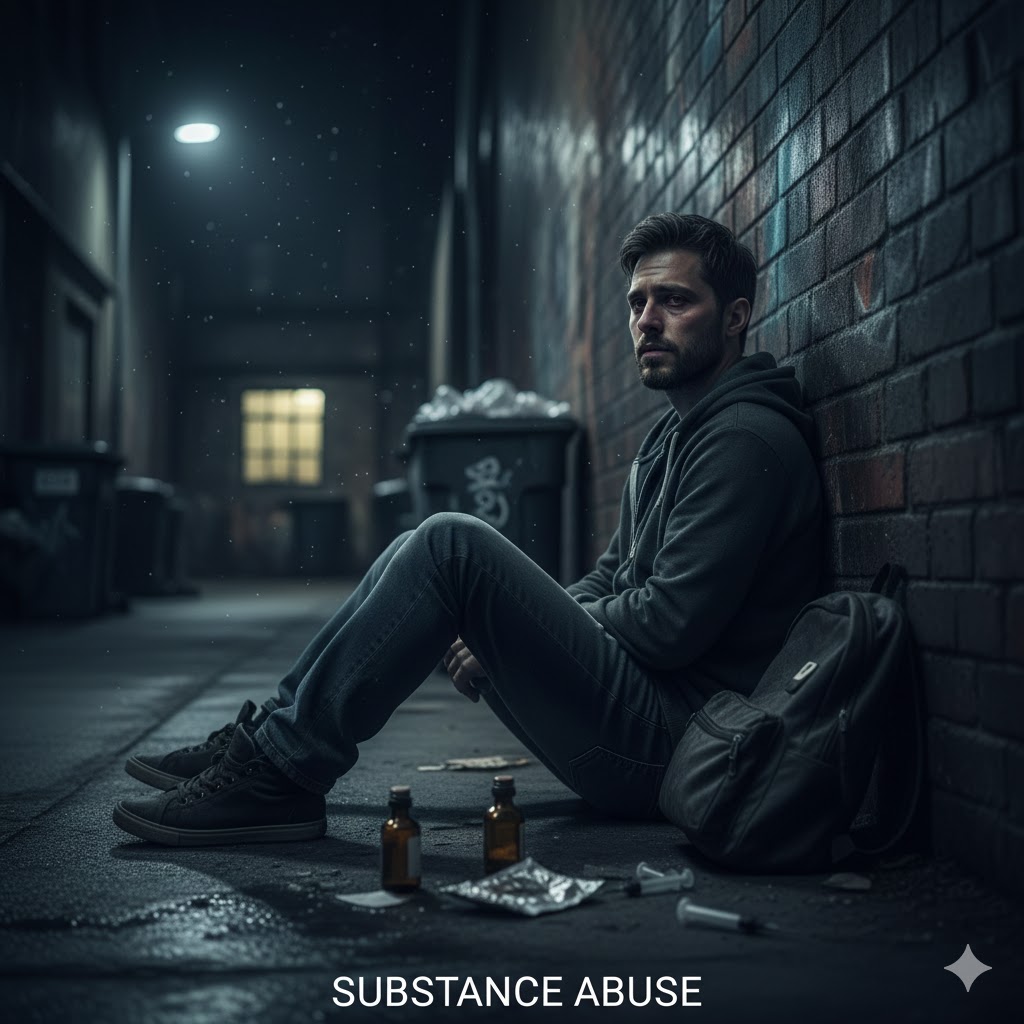
 Alcohol and drug abuse is a serious health concern that affects millions of individuals and families each year. Recognizing the early signs and understanding when to seek support can make a significant difference in recovery outcomes. Addiction is not a personal failing but a treatable condition that requires professional guidance, compassion, and a comprehensive approach. This article explores key indicators of alcohol and drug abuse and practical steps to access the support needed for lasting recovery.
What Is Alcohol and Drug Abuse
Alcohol and drug abuse occurs when the use of substances begins to interfere with daily life, relationships, work, or health. Occasional use may appear harmless, but repeated misuse can lead to dependence and addiction. Addiction is a chronic condition, often accompanied by mental health challenges such as anxiety, depression, or trauma. Effective treatment addresses both the physical and emotional aspects of substance use, offering a holistic path toward wellness.
Recognizing the Early Signs of Substance Abuse
Early identification of alcohol and drug abuse is essential for timely intervention. Common signs include:
Physical Indicators
-
Unexplained changes in weight or appetite
-
Bloodshot eyes or unusual body odor
-
Frequent fatigue or physical illness
-
Neglect of personal hygiene
Behavioral Indicators
-
Withdrawing from friends, family, or social activities
-
Neglecting responsibilities at work, school, or home
-
Secretive or dishonest behavior
-
Sudden changes in mood or personality
Emotional and Psychological Indicators
-
Persistent anxiety, irritability, or depression
-
Difficulty concentrating or making decisions
-
Low self-esteem or feelings of hopelessness
-
Increased risk-taking behaviors
Recognizing these patterns early allows for intervention before the situation escalates, improving the chances of successful recovery.
The Risks of Untreated Alcohol and Drug Abuse
Substance abuse can have severe long-term consequences. Physically, it can affect the liver, heart, and nervous system. Mentally, untreated addiction may worsen existing disorders or trigger new psychological challenges. Addiction also affects relationships, career stability, and overall quality of life. Awareness of these risks emphasizes the importance of seeking professional care promptly.
Seeking Support and Treatment Options
Effective treatment for alcohol and drug abuse is individualized, addressing both addiction and any co-occurring mental health concerns. Common approaches include:
Inpatient and Outpatient Care
Inpatient treatment provides a structured environment for intensive support, while outpatient care offers flexibility for those balancing personal or professional responsibilities. Both options provide therapy, counseling, and medical support tailored to each individual.
Mental Health Treatment
Integrated care for mental health and substance use disorders ensures that both conditions are treated simultaneously. Therapy, counseling, and medication management can help address underlying issues contributing to addiction.
Holistic and Faith-Based Approaches
Many programs incorporate holistic methods such as mindfulness, exercise, nutrition, and spiritual guidance. Faith-based support may provide additional encouragement, community connection, and purpose during recovery.
Personalized Treatment Plans
Every recovery journey is unique. Individualized care plans allow treatment teams to tailor therapy, medical support, and aftercare to each client’s specific needs and goals, maximizing the chances of long-term success.
Practical Steps to Take Today
If you or a loved one is showing signs of alcohol or drug abuse, consider these practical steps:
-
Reach out to a professional addiction treatment provider for assessment
-
Involve supportive family or friends who understand the recovery process
-
Educate yourself about substance use and available treatment options
-
Establish healthy routines that support mental and physical well-being
-
Participate in therapy or support groups to build coping skills and resilience
Taking the First Step Toward Recovery
Understanding alcohol and drug abuse and recognizing the signs are essential first steps toward healing. Recovery is possible with the right professional support, compassionate guidance, and individualized care. Holistic and faith-based approaches can strengthen both mental and emotional resilience, offering a sustainable path to long-term wellness.
If you or someone you love is struggling with alcohol or drug abuse, reaching out for professional help today can change the course of your life. Trusted addiction treatment providers are ready to listen, guide, and create a personalized plan that supports recovery, health, and hope.