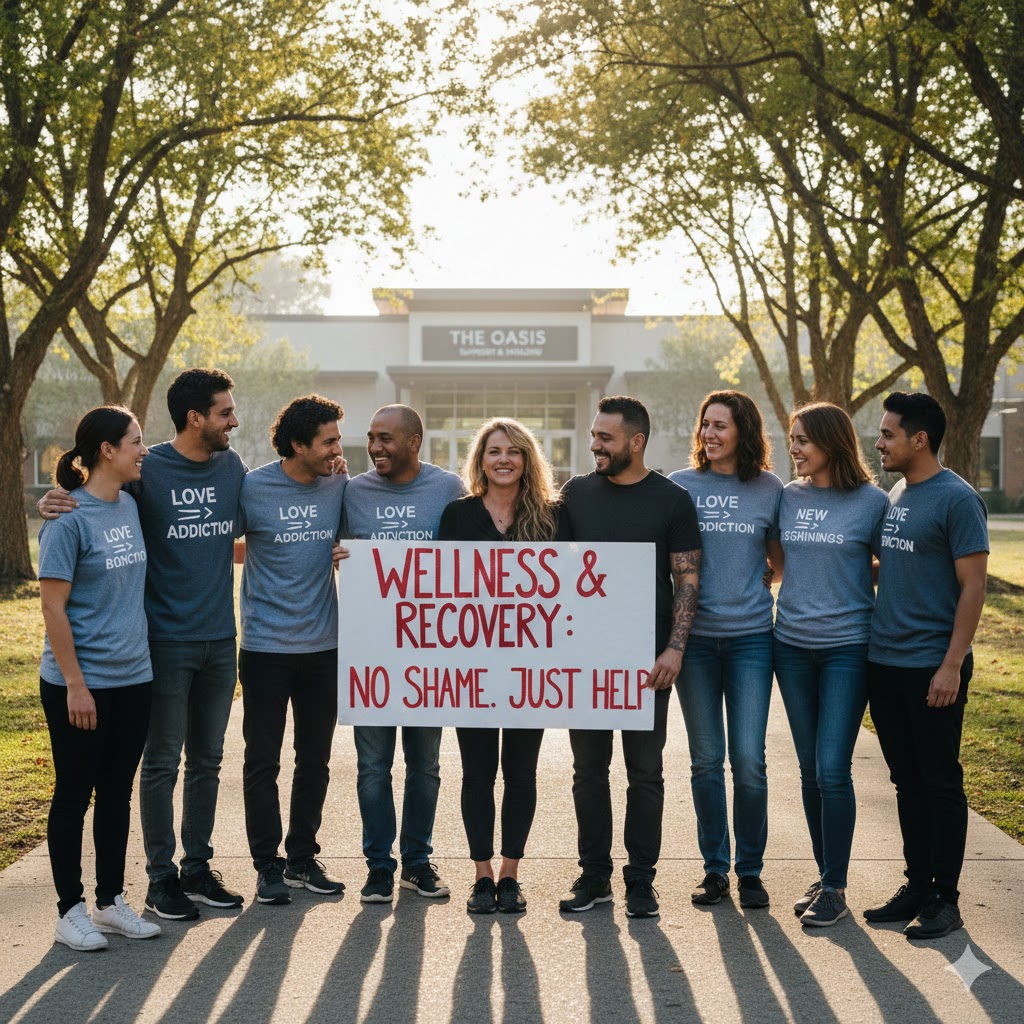
 Stigma surrounding alcohol and drug abuse remains one of the biggest barriers preventing individuals from seeking help. Many people delay treatment because they fear judgment, shame, or misunderstanding from others. Yet addiction is a treatable health condition, not a personal failure. By challenging stigma and sharing real recovery strategies, individuals and families can begin to view treatment as a hopeful and empowering step toward healing. Understanding the truth about addiction helps people feel less alone and more willing to reach out for the support they deserve.
Understanding the Impact of Stigma in Alcohol and Drug Abuse
Stigma creates harmful misconceptions that discourage honest conversations about addiction and mental health. People struggling with substance use may hide their symptoms, avoid medical care, or isolate themselves from loved ones. This silence can make recovery more difficult and delay access to effective treatment.
In reality, alcohol and drug abuse often involves complex physical, emotional, and psychological factors. Mental health conditions such as anxiety, depression, and trauma frequently occur alongside substance use. Addressing these challenges requires compassion, professional care, and individualized treatment plans.
Real Stories of Hope and Recovery
Although every journey is different, many individuals have overcome addiction by reaching out for help and embracing comprehensive care. Stories of recovery often share common themes.
Finding Strength Through Professional Support
Many people begin recovery when they connect with a treatment team that understands both addiction and mental health. Structured programs provide a safe environment where individuals can explore the root causes of substance use and learn new coping skills.
Healing Through Connection and Community
Recovery becomes more sustainable when individuals feel supported by peers, counselors, and family members. Group therapy, peer support meetings, and community involvement help reduce isolation and build confidence.
Embracing Personalized Treatment Plans
Successful recovery often involves individualized care that includes therapy, medical support, holistic wellness practices, and spiritual or faith-based guidance. Tailored treatment helps individuals address their unique experiences and goals.
Resources That Help Break the Cycle of Stigma
Access to the right resources can make it easier for individuals to seek help without fear or shame.
Inpatient and Outpatient Treatment Programs
Inpatient treatment offers intensive support in a structured environment, while outpatient care provides flexibility for those balancing work, family, or personal responsibilities. Both options allow individuals to receive evidence-based therapy and mental health support in a compassionate setting.
Mental Health and Dual Diagnosis Care
Integrated treatment for mental health and substance use disorders helps individuals understand the connection between emotional challenges and addiction. Addressing both conditions simultaneously reduces the risk of relapse and promotes long-term stability.
Holistic and Faith-Based Support
Holistic care emphasizes overall well-being through mindfulness, physical wellness, nutrition, and stress management. Faith-based programs may provide spiritual guidance and a sense of purpose that strengthens recovery and helps individuals rebuild hope.
Real Recovery Tips for Overcoming Stigma
Taking practical steps can help individuals move beyond shame and embrace the recovery process.
Speak Openly With Trusted People
Sharing your experiences with a trusted counselor, family member, or support group can reduce feelings of isolation and encourage accountability.
Focus on Education and Self Awareness
Learning about addiction as a health condition helps replace self blame with understanding. Education empowers individuals to make informed decisions about treatment and recovery.
Build Healthy Routines
Consistent habits such as regular sleep, exercise, and mindfulness practices support mental health and reduce stress. Healthy routines also reinforce positive coping skills during challenging moments.
Seek Professional Guidance Early
The sooner someone reaches out for help, the more treatment options are available. Professional support provides tools, structure, and encouragement throughout the recovery journey.
Moving Forward With Confidence and Compassion
Overcoming stigma around alcohol and drug abuse begins with honest conversations, education, and access to compassionate care. Recovery is possible when individuals feel supported and understood rather than judged. Treatment programs that combine addiction recovery services, mental health care, inpatient and outpatient options, and holistic or faith-based approaches offer a comprehensive path toward healing.
If you or someone you love is struggling with alcohol or drug abuse, reaching out for professional support can be a life changing decision. Compassionate treatment teams are ready to listen, provide guidance, and create a personalized plan for lasting recovery. Take the next step today by connecting with a trusted provider who understands your challenges and believes in your potential for healing.